
Political campaigns often cost millions of dollars, and much of this money is raised through donations. But what happens if a candidate drops out of the race, or doesn’t spend all his or her funds before election day?
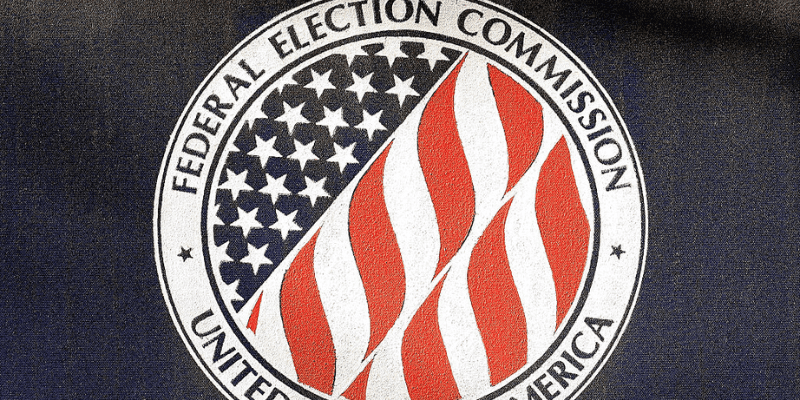
The Federal Election Commission (FEC) has outlined a series of rules for politicians’ leftover campaign funds.
The main thing politicians are prohibited from doing is using donations for personal expenses. If Jefferson Smith raises $2.3 million in the first quarter and spends $2 million, he cannot use the extra $300,000 to buy himself a BMW. This FEC rule was put in place in 1993 when representatives who took office before 1980 were allowed to keep leftover campaign cash when they retired – one-third would spend millions in donations on clothing, traveling, artwork, and jewelry.
Under FEC guidelines, dropouts can refund money to donors. They also have the option of transferring the remaining funds to other candidates (maximum $2,000), political action committees (PACs), party committees (local, state, or national), or charities.
Any residual dollars and cents can be used to wind down campaign operations, such as moving expenses, staff compensation, paying off debts, and “any other lawful purpose, unless expressly prohibited by the Federal Election Campaign Act.”
The part that may cause politicians to toss their hats in the race for the White House is that leftover cash can be used in a different run for federal office. For example, after Senator Michael Bennet dropped out of the presidential race, he could keep the $1,857,70 remaining from his campaign and use it for his Senate re-election campaign in a couple of years. Or, Senator Cory Booker might spend the approximately $75,000 cash on hand for his re-election pursuits.
Or, as MarketWatch noted, other aspirants seeking different federal offices may bide their time, like former Senator Evan Bayh: “The Indiana Democrat’s unsuccessful 2016 Senate campaign made use of a $10 million war chest that he had amassed in the prior decade, before his decision not to seek re-election to his then-Senate seat in 2010.”
Why do individuals with little chance of winning an election run in the first place? For federal officeholders, it might be to pad their resumés, generate more publicity, and raise some extra cash. For some, it may be a campaign of an educational nature, like former Representative Ron Paul’s presidential runs in 2008 and 2012 or William F. Buckley’s mayoral efforts in New York City in 1965. For others, bids for high-profile positions could be all about vanity, telling the world that they ran for president or Congress. Meanwhile, some canny politicians may be engaging in fundraising strategies for future elections.