
★ In this story 02
President Donald Trump recently said he wants to limit interest rates for credit cards to 10% for one year. Supporters say this would help people struggling with debt, but critics warn it would harm everyday consumers. Who is right, and how does credit even work?
The Credit in Credit Cards
Put simply, credit allows you to borrow now and pay back later.
Lenders, such as banks, credit unions, or credit card issuers, will evaluate borrowers and determine how much money they can borrow, using various criteria.
The three primary facets of credit are: scores, reports, and limits.
- Credit Limit: The maximum amount you can borrow from lenders.
- Credit Report: A summary of your borrowing and repayment history.
- Credit Score: A number that reflects your borrowing behavior (the higher the number, the more reliable you are; the smaller the number, the less appealing you are).
Ultimately, how you borrow will determine your profile and whether you can borrow more cheaply in the future.
What Are Credit Cards?
Insert, swipe, and tap.
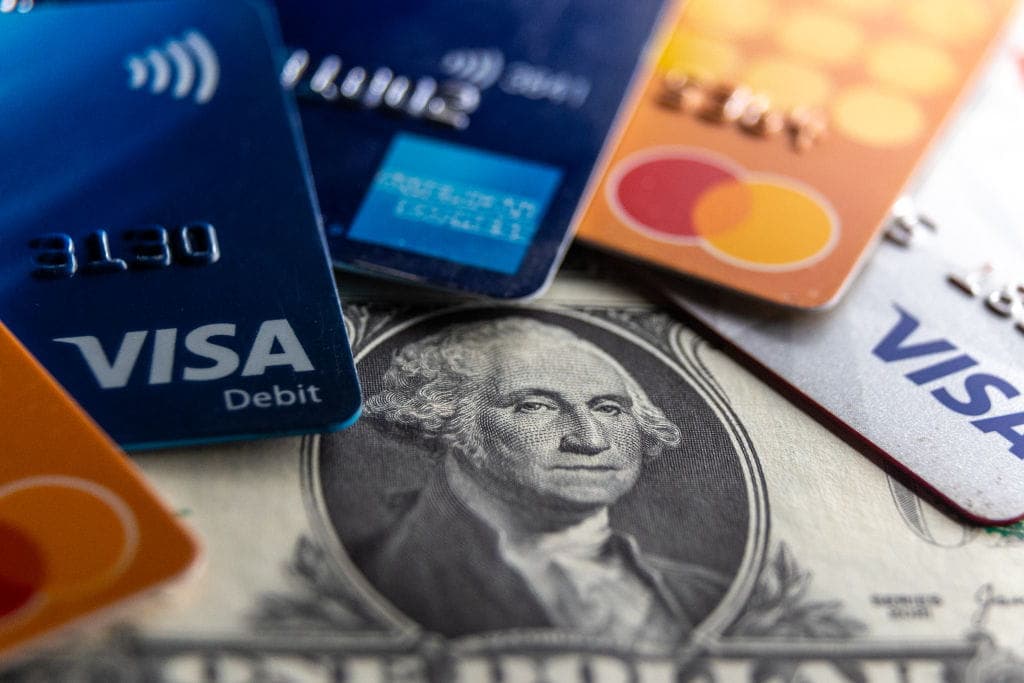
Credit cards are financial tools that allow you to borrow, repay, and borrow again, whether with a physical piece of plastic or digitally. You can use cards for essentially anything, from buying groceries to paying rent.
When you use it, the card issuer (Mastercard or Visa, for example) pays the merchant on your behalf. For example, if you buy a piece of fruit at Joe’s corner store for $10, the company will pay Joe, but you now owe the issuer that $10.
Each month, you will receive a credit card statement. This report lists your transactions, the total amount you owe, the due date, the minimum payment due date, and the interest rate.
If you pay the entire balance by the due date, you do not have to pay any interest, allowing you to borrow money for free. If you do not pay the full balance for the month, you will be charged interest.
What’s more is that, depending on the type of credit cards at your disposal, you can be paid to use these instruments. Issuers typically offer rewards, such as 2% cash back on all purchases or discounts on various products and services.
According to Bankrate, the average credit card interest rate is almost 20%.
Examining Trump’s Idea
Will President Trump’s plan work or backfire? It depends on whom you ask.
Proponents argue that credit card interest rates are too high and unfair to borrowers, particularly those on low incomes. “They charge Americans interest rates of 28%, 30%, 31%, 32%,” Trump said in a January 22 interview with CNBC. “Whatever happened to usury?”
Usury is the act of charging very high interest rates.
Critics contend that limiting interest rates on credit cards will reduce access to credit for everyday consumers and small businesses. “It would be an economic disaster, and I’m not making that up because our business… we would survive it by the way,” JPMorgan Chase CEO Jamie Dimon said at a World Economic Forum event on January 21.
Economy’s Lifeblood
Credit is often considered the lifeblood of the marketplace.
It allows for borrowing and spending that generates economic growth, business investment, and job creation without requiring upfront payments through long-term saving. Consumers can buy new cars or homes without spending a lifetime saving, while businesses can use credit as a source of capital to purchase new machinery, build inventory, or pay employees.
There are drawbacks, of course, such as borrowing and spending more than you can afford. This can create a snowball effect due to high interest rates. Still, it remains a productive tool.
In the end, credit is what makes the world – and the economy – go round.