
★ In this story 02
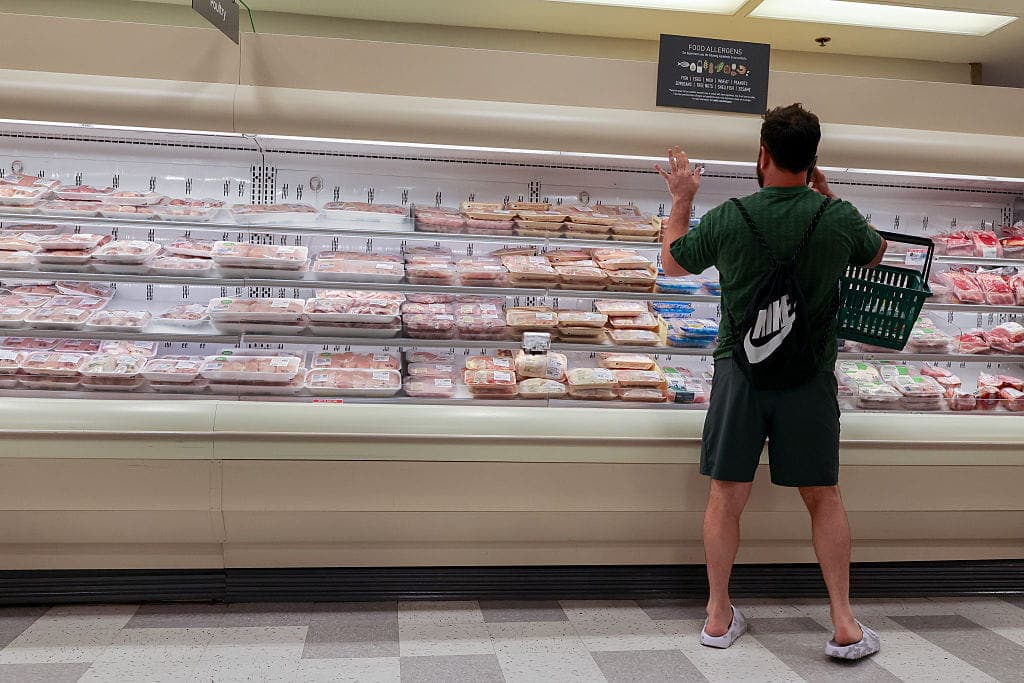
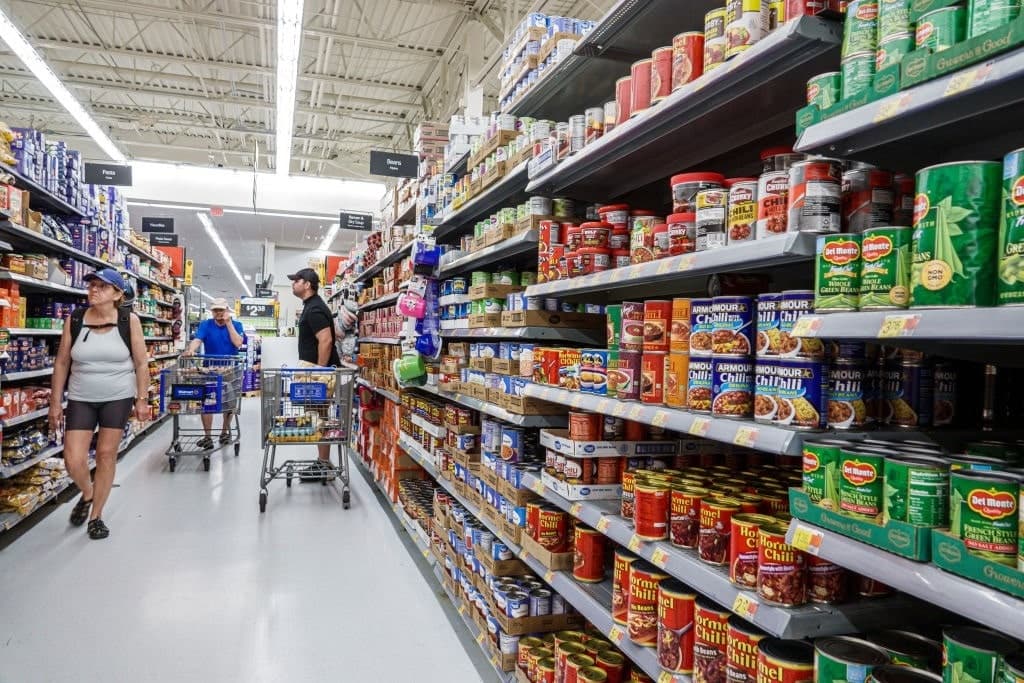
Not long ago, it could take grocery store employees up to two days to replace the paper price tags that tell customers how much to pay for an item. But those days are gone. Now, with digital shelf labels, those numbers can be changed in seconds. This makes it much easier to adjust prices, and Kroger has been using the technology in some of its stores since 2018. But some worry this move eases the way for dynamic pricing, a policy already embraced by the transportation and hospitality industries.
Dynamic Pricing Explained
Dynamic pricing is the practice of setting prices based on external factors, like the current market demand, the season, or supply changes. Hotels, for example, often charge more for the same room during the peak traveling seasons and holidays. Rideshare companies like Lyft and Uber even adjust their pricing based on the time of day!
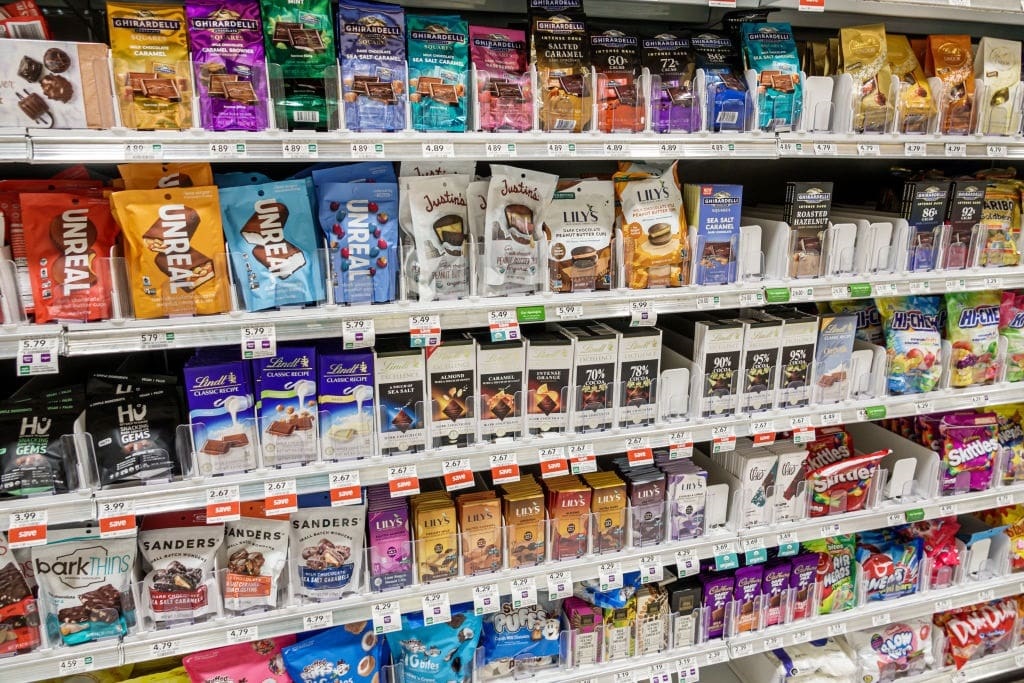
Some grocery stores are being accused of using dynamic pricing to inflate the cost of goods when items are selling well or when the stores are busy. Senators Elizabeth Warren, a Democrat from Massachusetts, and Bob Casey, a Democrat from Pennsylvania, sent a letter to the chairman and CEO of Kroger, Rodney McMullen, expressing their concerns. In the letter, the politicians referred to a 2021 analysis by UCLA that found adopting time-based pricing can cause both peak hour and normal hour prices to rise across the industry.
The letter suggested that the digital label system could lead to consumer goods being “priced like airline tickets,” which analysts say would create “a sense of urgency and a sense of scarcity that wouldn’t exist if there were just publicly posted prices that everyone understood.” It would also allow “sellers … to … figure out ways to extract the maximum amount of profit from each customer.”
Representatives of Kroger said the accusation is false; they aren’t using dynamic pricing, and they aren’t price gouging. But the senators want answers. How often does Kroger use the system to increase prices? Has it ever used the system to change the cost of an item more than once a day?
Building a Customer Database
Kroger also plans to introduce more artificial intelligence to target customers with advertising based on personal data collected by the company. According to the letter from Warren and Casey, “Kroger plans to place cameras at its digital displays, which will use facial recognition tools to determine the gender and age of a customer captured on camera and present them with personal offers and advertisements.”
Kroger will be reportedly partnering with Microsoft to do this. Some claim the system will also use the personalized profiles of Kroger customers to determine how much of a price increase each person can tolerate. The senators call it “a corporate profiteering capability that would be impossible using a mere paper price tag.” While digital labels are convenient time savers for stores, there is significant potential for abuse.