
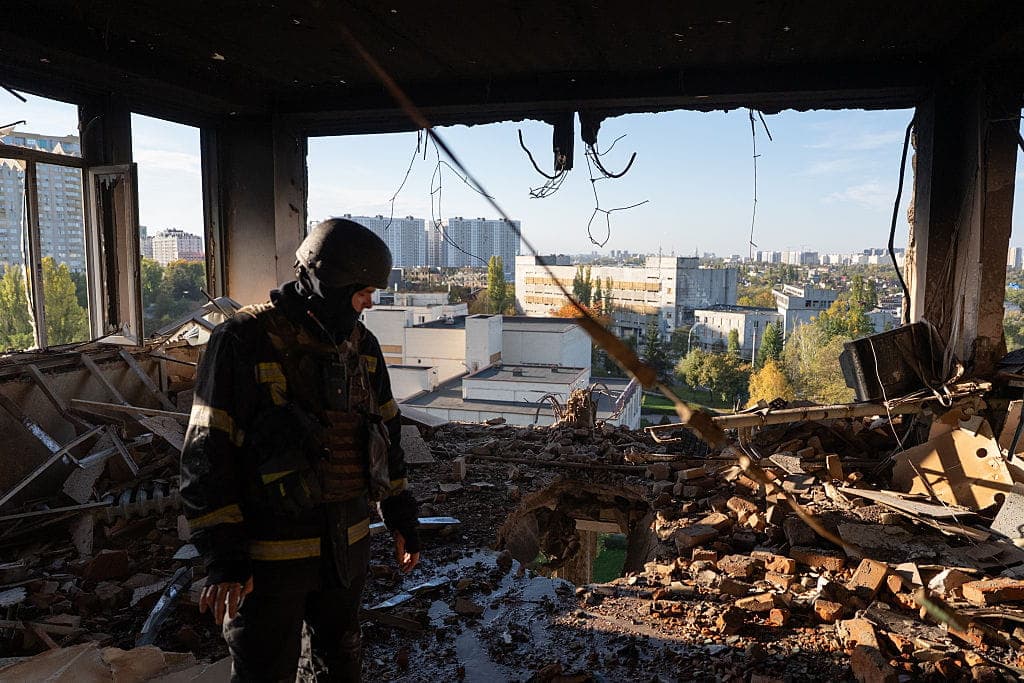
Russia and Ukraine have been at war for more than four years, and it’s becoming increasingly clear that, at its current pace, the fighting is simply unsustainable. The more than 1,700 days of fighting have left up to 600,000 dead with more than 2 million overall casualties, including deaths and injuries. But now there seems to be some glimmer of hope on the horizon. A breakthrough toward peace seems finally possible. For more than a year, Ukrainian President Volodymyr Zelensky has offered to freeze the fighting and leave the lines where they are – but Russia has refused.
On October 21, Russian President Vladimir Putin told US Special Envoy Steve Witkoff that Russia is ready – at least in principle – to resume the trilateral talks on or around November 10.
Ukraine Open to Freezing the Front Lines
Ukraine’s president did offer to freeze the front lines rather than demanding that Russia return all the land it took – but there’s more to those terms. Zelensky also wants the European Union, the US, and the rest of NATO to guarantee the security of Ukraine to ensure Russia doesn’t simply resume the invasion later.
The latest US offer, presented in Oslo on October 20, was modeled on NATO’s Article 5 collective-defense commitment. When Fox & Friends asked on October 21 whether he would accept a deal in which Ukraine keeps “75% or more” of its territory, he replied:
“Yes, right now, we have to freeze. And I think this is [a] real way to end this war. We call it ceasefire or ‘stop killing,’ like President Trump called it. Freeze and stop. And, of course, this is the minimum of what we need from Russia today. Then, of course, we will go to [the] president and to Europeans, and we'll ask security guarantees. The most important is peace and also security [of] peace. This is the most important. Not to have to be afraid that occupation will come back, aggression will come back, killings will come back. We have to stop.
“We need 9.5 million people which are abroad everywhere. We need them to come back to Ukraine, just to live and to build their country.”
Trump Shares His Thoughts
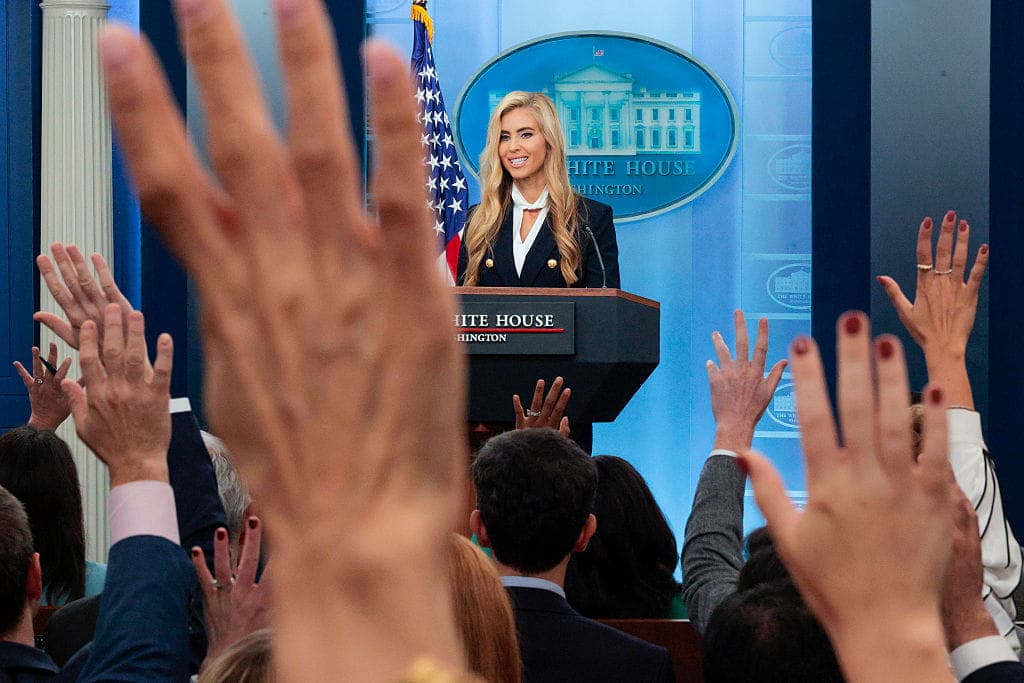
US President Donald Trump shared his thoughts on the matter on Oct. 20 as well.
“Russia would like to get it done … Russia’s a big machine,” he said during a White House presser. “They just keep grinding forward, and that’s what they’ve done. They’ve taken a very large piece of land, and, you know, you can say that Ukraine is doing well or poorly, but the land [Russia has taken] gets bigger and bigger all the time.”
Now, whether this represents a real change in the war itself remains to be seen. But Zelensky’s openness to a ceasefire that keeps the lines more or less where they are right now is promising for peace. The leader of Ukraine prefers to hash this out in yet another meeting with Presidents Trump and Putin, keeping the US involved. Such talks would go a long way toward identifying where the roadblocks to such a deal still are. But both sides have taken massive losses, and it seems that the various leaders may all finally be ready to end the fighting, wherever the lines end up being.
Why This Matters
This war has lasted over four years and caused causalities, property destruction, and death. How it ends could affect global security, US foreign policy, and the promises countries make to protect each other. It’s also a reminder that a ceasefire isn’t the same as peace.
Stopping the fighting along the current lines (a “freeze”) is not the same as agreeing on who owns the land. Ukraine wants promises from the US and Europe, similar to NATO’s pledge that an attack on one member is an attack on all, so Russia can’t simply invade again later.
The talks could also shape how the US handles future conflicts, and that will matter to voters and citizens. Many people are watching to see whether the talks actually restart, and what each side is willing to give up.
4 Questions
The story, in brief
What ceasefire terms has Volodymyr Zelensky said Ukraine would accept?
Volodymyr Zelensky said Ukraine would accept freezing the front lines rather than demanding that Russia return all the land it took right away. He said a ceasefire, or stopping the killing, is a real way to end the war, but he also wants security guarantees from the US, Europe, and NATO so Russia cannot invade again later.
What did Vladimir Putin tell Steve Witkoff about Russia-Ukraine talks?
On October 21, Vladimir Putin told US Special Envoy Steve Witkoff that Russia is ready, at least in principle, to resume trilateral talks on or around November 10. That signaled a possible breakthrough toward peace after Russia had previously refused Ukraine's offer to freeze the fighting.
Why does Ukraine want US and European security guarantees in a ceasefire deal?
Ukraine wants security guarantees to make sure Russia does not simply restart the invasion after a ceasefire. Zelensky said the most important goal is peace and the security of peace, so Ukrainians do not have to fear that occupation, aggression, and killings will return.
What could happen next in efforts to end the war in Ukraine?
The next step could be renewed trilateral talks involving Ukraine, Russia, and the United States, possibly around November 10. Zelensky also prefers another meeting with Presidents Trump and Putin, and those talks could help identify the remaining roadblocks and show what each side is willing to give up.
Dave Patterson
National Security Correspondent at LibertyNation.Com and Generation Liberty, Dave is a retired U.S. Air Force Pilot with over 180 combat missions in Vietnam. He is the former Principal Deputy Under Secretary of Defense, Comptroller and has served in executive positions in the private sector aerospace and defense industry. Dave’s articles have appeared in The Federalist and DefenseOne.com.