
★ In this story 03
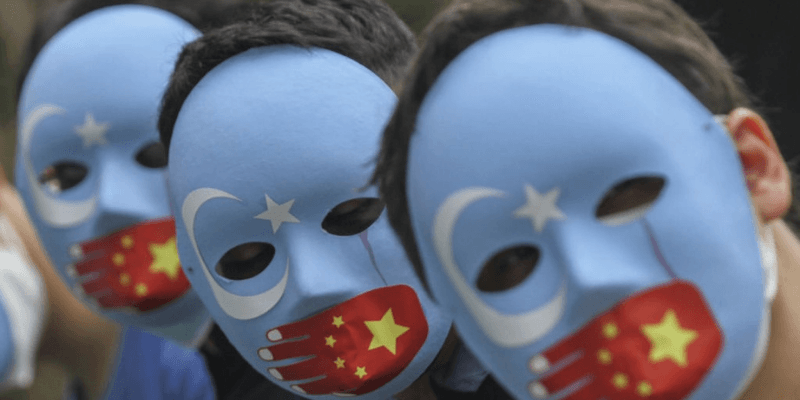
The United States recently made it illegal to buy Chinese products that could be connected to slavery. China has been accused of both genocide and using slave labor, and those allegations led President Joe Biden to sign the Uighur Forced Labor Prevention Act into law on Thursday, December 23, 2021.
The new law bans the import of products manufactured under forced labor in China’s Xinjiang region. There is cause for concern about how the Chinese government treats the Uighur Muslim community, which lives in the area. United States officials felt it was time to get involved.
Forced Labor and Genocide of the Uighur Community
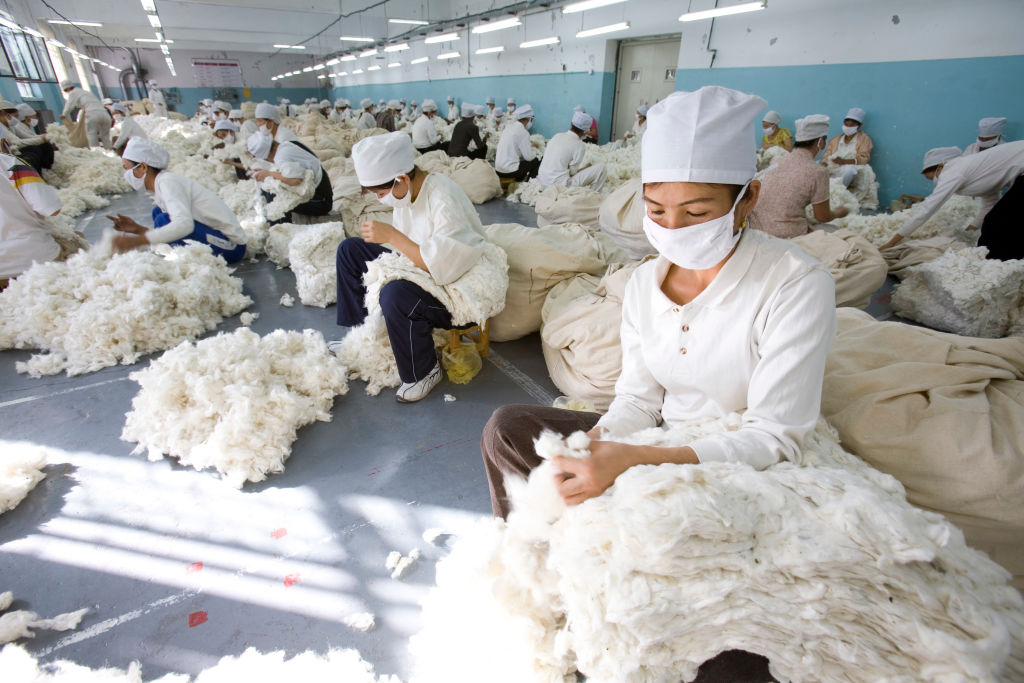
The communist Chinese government stands accused of severely mistreating the Uighur Muslim population in Xinjiang, a province in the far west of the country. Much of the world’s cotton, tomatoes, and material for solar panels are manufactured in that part of China. There is some evidence that the workers, primarily Uighur Muslims, are forced to work as slaves in dangerous and violent conditions.
Washington has called the abuse genocide, the purposeful killing of an ethnic group. Many worry that China is attempting to rid the country of its Muslim community, though the Chinese government has repeatedly denied it.
How Does the New Bill Work?
The new law views all goods from the Xinjiang region as produced under slave conditions. However, the suppliers have a chance to prove the goods were made legitimately. Once checked, the company will be given a license to send goods to the United States. The law is meant to ensure that American stores are not contributing to the harsh treatment of the Muslim population in China.
Reactions to the New Legislation
The law has sparked controversy between the American and Chinese governments. The Chinese feel that the Biden administration and Congress are poking around where they don’t belong. The spokesperson for the Chinese embassy in Washington, D.C. called the new law “a gross interference in China’s internal affairs. China strongly condemns and firmly rejects it.”
Still, American officials feel the need to do what they can to improve the situation for Muslims in China. Marco Rubio, a Republican senator from Florida, called it “a horrifying human rights situation, fully sanctioned – as we now know – by the Communist Party of China.”
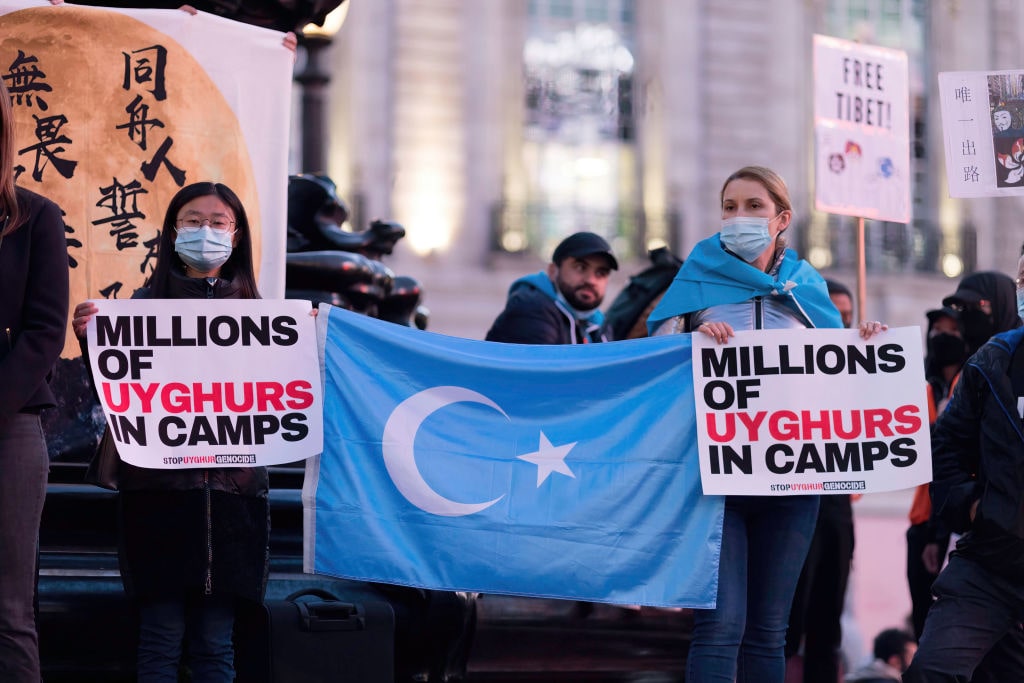
American officials do not have the right to intervene in the working conditions of China’s Muslim community directly; this step helps to ensure that the U.S. does not inadvertently support it. The economic loss the Chinese companies will face may be enough to entice them to treat the Uighur Muslim community better. At least, that is what the people who passed this law hope.
Try a quiz based on this article
Why did Congress and President Biden feel it was necessary to ban the purchase of goods from the Xinjiang region of China?
Show the answer
The goods could be made under slave-like conditions..
Much of the world’s cotton, tomatoes and materials to make ______ are produced in Xinjiang.
Show the answer
Solar panels.
What is genocide?
Show the answer
The purposeful killing of a group of people, normally a certain ethnic group..
The Chinese government has denied any mistreatment of the Uighur Muslim community.
Show the answer
True.
Do the manufacturers in China have an opportunity to prove the goods were not made under forced labor?
Show the answer
Yes.
The Forced Labor Prevention Act prevents the U.S. from ________ the harsh treatment of the Muslims in China.
Show the answer
Contributing to.
A spokesperson for the Chinese government called the law a gross interference in China’s affairs.
Show the answer
True.
The ______ that China will face may force them to treat the Muslim community better.
Show the answer
Financial loss.
Once checked, companies in Xinjiang can get a license to send goods to the United States.
Show the answer
True.
Texas senator Ted Cruz said slavery in Xinjiang is “a horrifying human rights situation."
Show the answer
False.

Kirsten Brooker
Culture Correspondent for Liberty Nation and Generation Liberty. Kirsten loves to write about culture from the point of view of an everyday American who lives deep in the heart of the Midwest. She is the mother of two adorable girls, likes classic rock, and humbly wears the crown of a former Homecoming Queen with grace and style.