

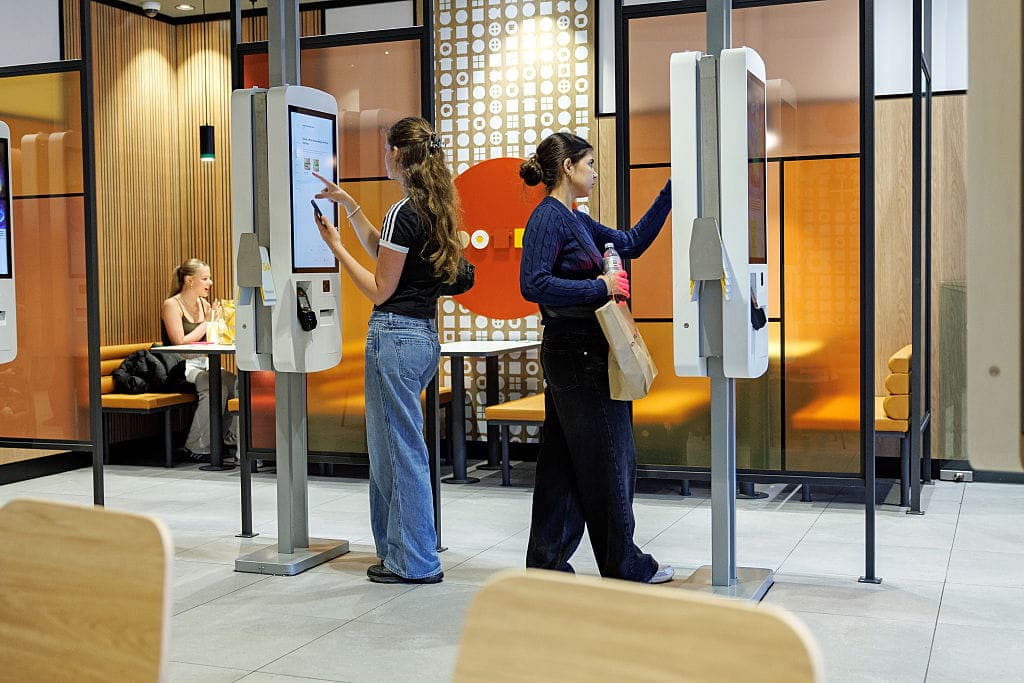
Concerns about robots have been common since the word was coined in the 1921 Czech play R.U.R. Over the years, worries that technology will displace millions of people have intensified. Today, many Americans, especially young people, fear artificial intelligence (AI) will take away tomorrow's jobs.
AI and Future Jobs
Young adults are beginning to view AI the way older Millennials, Generation X, and Baby Boomers do today: skeptically.
A new Pew Research Center survey found that most (52%) US adults under 30 are more concerned than excited about AI. Only 9% say they are more excited than concerned, and 37% feel equally anxious and enthusiastic.
The largest worry surrounds employment. Seventy-three percent of adults under 30 say AI will lead to fewer jobs, up from 61% in 2024.
Anxiety about AI’s impact on jobs has been common, even when the revolutionary technology was confined to a jumbled Will Smith eating spaghetti a few years ago.
Pew researchers also said those below 30 "are most likely to think AI will be bad for society – and for them." The report continued: "They largely think it will make connection and creativity harder to come by. And though most say they use chatbots, they’re just as likely to say these tools hurt their own creativity as help it.”
The Experts Are Also Worried
The International Monetary Fund (IMF) and the World Bank held their annual meetings in Thailand this week.
Officials released research projecting that AI will affect 60% of jobs in places like the United States and Europe, compared with 23% in low-income countries. They also concluded that entry-level jobs important to young people entering the workforce are shrinking.
“The people to worry about first and foremost are young people that are coming into the labor market," IMF director Kristalina Georgieva said in an Oct. 12 panel discussion.
"Normally they would get into these routine, repetitive jobs and then grow up the ranks, but if they’re gone, I don’t think any young person wants to be a barista in a coffee shop."
Various data suggest this is already unfolding.
In a recent report, economists at the New York Federal Reserve said recent college graduates (22 to 27) face decade-high unemployment. They are also experiencing underemployment, meaning more of them are working jobs that don't require a degree or specialized skills.
For those who can find jobs, a new Census Bureau paper highlighted that starting pay for the most AI-exposed majors declined 13%.
But is it all doom and gloom? Ultimately, it could be about timing.
In other words, will the private sector create enough jobs before other industries are disrupted?
Jevons Paradox
Job postings for software developers have risen steadily since February 2025. As the kids say, make it make sense. But one economist from the past may have the answers.
Today's economists are looking to 19th-century economist William Stanley Jevons for understanding AI's role in the economy. Dubbed the Jevons Paradox, the idea is that when technology makes something more efficient, people end up using more of it, not less.
A popular example is the radiologist's job. Many feared radiologists would be tossed into a garbage bin as technology made them unnecessary. However, AI and tech have made radiologists far more productive, raising their average incomes to over $500,000.
Put simply, tech merely complements workers.
Why This Matters
It will be a few years before we can conclude whether AI creates a world like The Terminator or an environment where everyone is singing the classic jazz tune “We’re in the Money.” Until then, we can only speculate what the future holds. Still, it is worth listening to what spooks young Americans these days.
4 Questions
The story, in brief
What did Pew find about how Americans under 30 view AI?
Pew Research Center found that 52% of U.S. adults under 30 are more concerned than excited about AI. Only 9% say they are more excited than concerned, while 37% feel equally anxious and enthusiastic. Researchers said people under 30 are the most likely to think AI will be bad for society and for them personally.
Why do young Americans think AI could hurt their job prospects?
The biggest concern is employment. Seventy-three percent of adults under 30 say AI will lead to fewer jobs, up from 61% in 2024. Pew also found that many young adults think AI will make connection and creativity harder to find, and chatbot users are just as likely to say the tools hurt their creativity as help it.
What are the IMF and other researchers saying about AI and jobs?
Research released around the IMF and World Bank meetings projected that AI will affect 60% of jobs in places like the United States and Europe, compared with 23% in low-income countries. Officials also said entry-level jobs important to young workers are shrinking. Other reports cited decade-high unemployment for recent college graduates, more underemployment, and a 13% drop in starting pay for the most AI-exposed majors.
Could AI still create jobs instead of only eliminating them?
The outlook may depend on timing and whether the private sector creates enough jobs before other industries are disrupted. Economists point to the Jevons Paradox, which says greater efficiency can lead people to use more of something, not less. The example given is radiology, where AI and technology made workers more productive and helped raise average incomes rather than making the job disappear.