
★ In this story 02
A recent report by the Office of the Comptroller of the Currency (OCC) confirmed what had initially been reported several years ago: Major banks in the US closed the accounts of MAGA, pro-life, and other conservative groups and businesses for their political beliefs. This practice – called debanking – was rampant for several years, especially during the presidency of Joe Biden. The victims were usually religious groups, conservative organizations, and businesses that dealt in sectors the Biden administration didn’t like.
Debanking Life and Liberty
The OCC investigated nearly 100,000 complaints and 50,000 bank records. The report, released Wednesday, October 14, revealed that JPMorgan Chase, Bank of America, Citibank, Wells Fargo, U.S. Bank, Capital One, PNC, TD Bank, and BMO Bank all had policies that led to the discrimination against American consumers over “reputation risks” between 2020 and 2025.
While there were some examples where the alleged risk came from clients that were too progressive or left leaning, most came from more politically conservative groups. Many, in fact, were tied to the Southern Poverty Law Center (SPLC), which designated certain organizations as “hate groups” before the banks cut them off.
The debanking report revealed that many of these so-called hate groups were religious organizations targeted over their beliefs regarding abortion, LGBTQ issues, and traditional family values. Some others were businesses that make or sell firearms; oil, gas, and coal companies; and merchants that sold MAGA, America First, or Make America Great merchandise.
In one specific instance, PNC refused to extend a line of credit to a successful media company because the bank’s environmental and social governance group discovered that one of the owners had “funded several Christian conservative groups, including several identified as hate groups by the Southern Poverty Law Center.” The bank employee who recommended the refusal wrote: “I think it becomes really difficult to justify aligning ourselves with a company whose owners have built very public personas around opinions very contrary to PNC’s beliefs/values.”
In another example, Wells Fargo refused to lend money to two firearms businesses, then blamed fear of the government. “Under the Biden administration, banks could face greater supervisory pressure to move away from lending to the firearms industry,” one of the bank’s reputation risk reviewers wrote while assessing the loan request.
Why It Matters
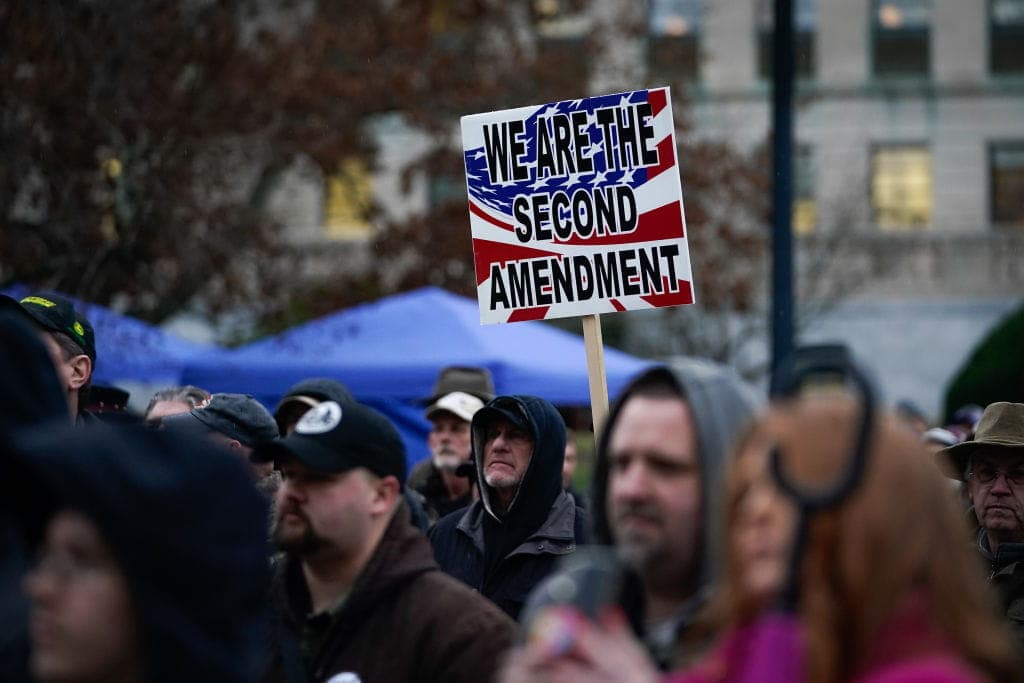
In the US, the First Amendment protects the freedom to believe in whatever religion people want – or none at all. It also protects the right to speak and write freely and express political beliefs without persecution. The Second Amendment ensures the right to keep and bear arms.
The Bill of Rights doesn’t protect people from private corporations, just the government. But if the Biden administration were applying pressure for these banks to discriminate against people expressing their constitutionally protected rights, then that would be a problem!
Even if it were just private companies engaging in debanking without any government interference, though, it would still demonstrate a double standard and blatant political bias inside Corporate America. None of these financial institutions were accused of debanking gun control advocates Giffords or Everytown for Gun Safety, or abortion providers and advocates like Planned Parenthood, or even the political campaigns or sellers of merchandise for Democratic politicians like Joe Biden or Kamala Harris.
4 Questions
The story, in brief
What did the OCC report say about debanking during Joe Biden's presidency?
The Office of the Comptroller of the Currency said major US banks closed accounts or restricted services for consumers and groups over perceived reputation risks between 2020 and 2025. The report said the practice often affected religious organizations, conservative groups, firearms businesses, energy companies, and sellers of MAGA or America First merchandise.
Which banks did the OCC say had policies tied to debanking complaints?
The report named JPMorgan Chase, Bank of America, Citibank, Wells Fargo, U.S. Bank, Capital One, PNC, TD Bank, and BMO Bank. It said their policies led to discrimination against American consumers over reputation risks, based on the OCC's review of nearly 100,000 complaints and 50,000 bank records.
How were Southern Poverty Law Center labels linked to debanking cases?
The report said many cases were tied to the Southern Poverty Law Center's designation of certain organizations as hate groups. It said many of the affected groups were religious organizations targeted over beliefs on abortion, LGBTQ issues, and traditional family values.
Why does the debanking report raise constitutional and political concerns?
The concerns center on whether banks discriminated against people for expressing religious or political beliefs, or for involvement in the firearms industry. It also raises questions about possible pressure from the Biden administration, because the Constitution protects speech, religion, and the right to keep and bear arms from government interference.