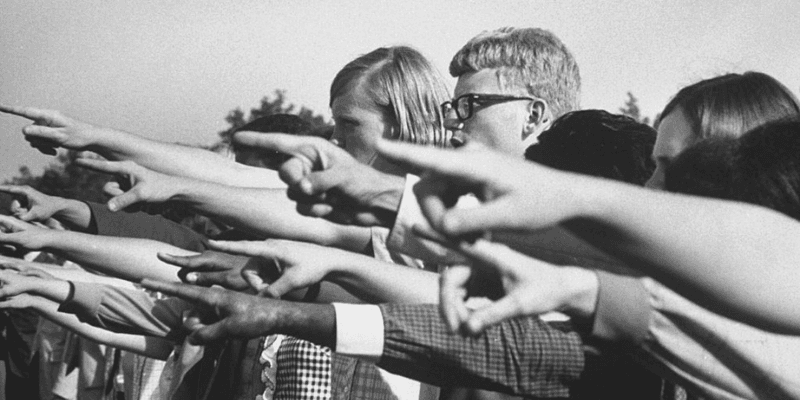
Cancel culture is a form of online shaming. It has become the ultimate form of public shaming in the 21st century. Social media has made this method controlling others easier. Whether through social media or other information, we can hardly go a day without digging up the past wrongs or mistakes of a public figure.
Cancel culture has its origins in muckraking, a term used to describe the activities of journalists who report corruption, secrets, or scandals, especially about influential figures.
The act of setting a mob against those people typically comes from social media, with thousands of people picking up on a scandalous report.
A common form of “canceling” comes from looking at someone’s social media history to find evidence of scandalous behavior and beliefs – perhaps posted years earlier.
Most of the causes for “canceling” come from scorn for someone’s controversial past. Influential celebrities and bands like One Direction have been “canceled” for cultural appropriation, fat-shaming, female objectification, or racial comments.
Although the public shaming of influential figures has happened countless times before the 21st century, only recently has the term “cancel culture” been used. Google Trends shows that the phrase “cancel culture” was not widely searched until 2018.
Cancel culture is used either as a weapon to silence dissenting voices or as a boogeyman to discredit the public opposition to your beliefs and actions. Cancelling has become connected to politics because of its power to manipulate social media and the public perception of any target.
Recent history has shown that some are happy to see people with controversial beliefs canceled by calling for their employers to fire them, schools to expel them, or for other citizens to harass the target.
Supporters of cancel culture argue that they seek to empower those without money or control against the ruling class. Opponents have argued that this culture has gone too far and that it has simply become a tool abused by the mob to overthrow their enemies.
Cancel culture has taken down public figures who had committed terrible crimes, but it has also shut down unpopular or controversial opinions on social media. Today, many people think of cancel culture as a toxic, negative phenomenon that arose out of pop culture, but it shows no sign of ending anytime soon.