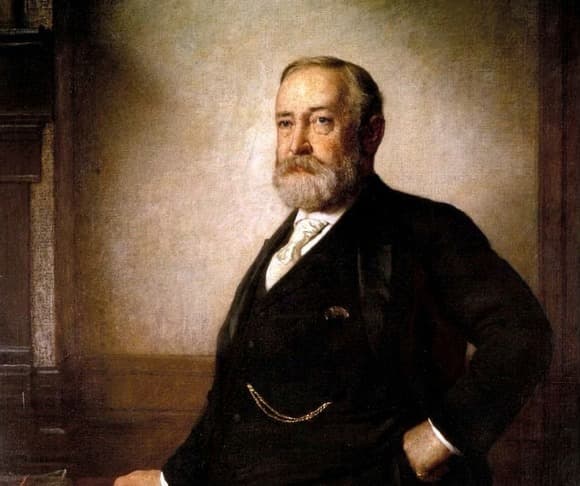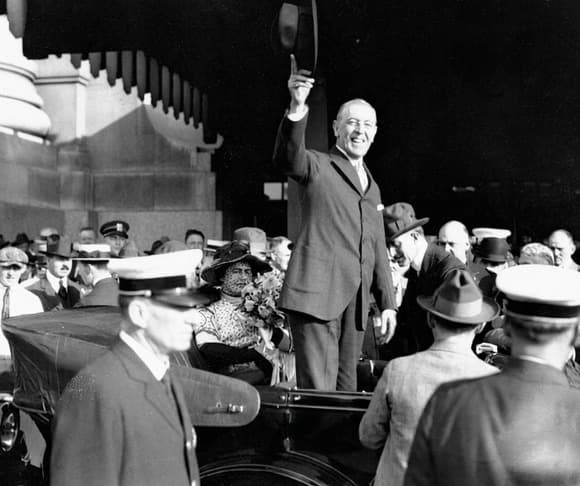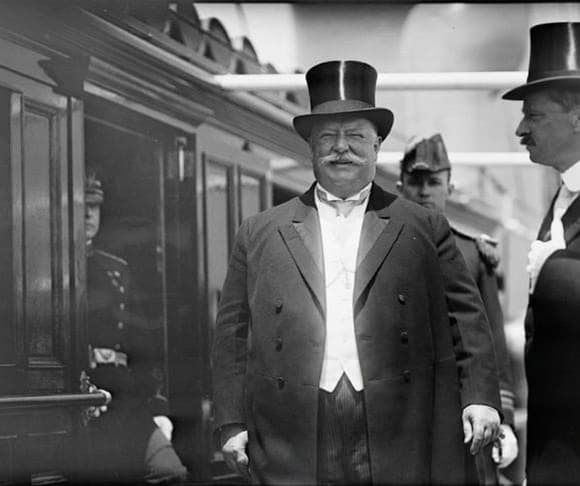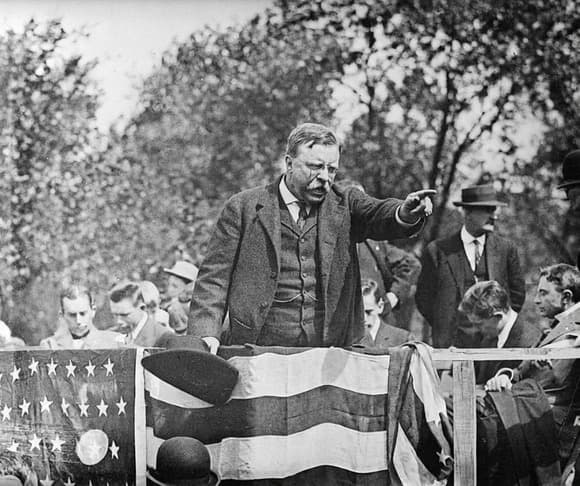

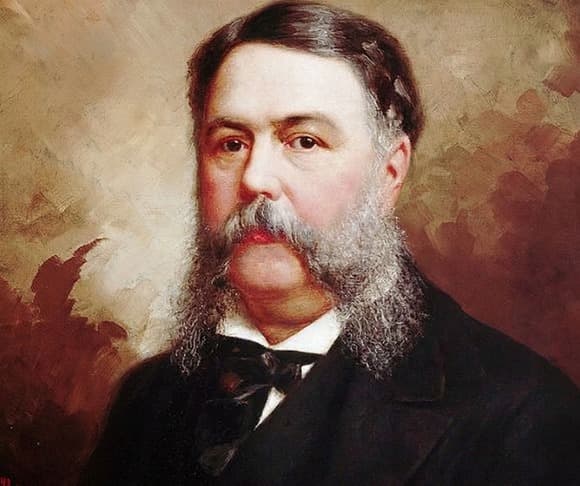
Chester A. Arthur (1829 – 1886) became the 21st president in 1881. His presidency was short, and many historians say it wasn’t very memorable – though it was still filled with both controversy and accomplishments.
History states he was born on October 5, 1829 in Fairfield, Vermont, however, it was debated – but never proven – that he had actually been born in Canada, which would have made him ineligible to become president of the United States. He was one of only five presidents who reached the office without being elected.
During the Civil War, Arthur served as quartermaster general for the New York state militia. His troubles began when, in 1871, President Ulysses S. Grant appointed him as the collector of the Port of New York.
He was a good friend of New York Senator Roscoe Conkling, and the two reportedly used their powers to get kickbacks from employees at the port. The money then went to Conkling’s political party funds.
In a surprising move, Arthur was nominated as vice president to run on the ticket with presidential candidate James Garfield. Just six months after Garfield was elected president, he was assassinated, and Arthur became president.
Presidential Accomplishments and Iconic Moments
In 1882, Arthur vetoed the first Chinese Exclusion Act. This legislation would have banned Chinese laborers from immigrating into the U.S. for 20 years and would have denied citizenship to current Chinese residents.
In 1883, he signed the Pendleton Civil Service Reform Act, which, ironically, banned kickbacks in the civil service system.
On May 24, 1883, the president and New York Governor Grover Cleveland attended the opening of the iconic Brooklyn Bridge. It took 14 years to construct and, for the first time in history, completed a passageway connecting New York and Brooklyn. It was the largest suspension bridge to have ever been built at the time.
A year later, on July 4, 1884, France presented the U.S. with the Statue of Liberty. The ceremony was held in Paris.
On Feb. 21, 1885, the Washington Monument was dedicated, and President Arthur spoke during the event. “I do now … in behalf of the people, receive this monument … and declare it dedicated from this time forth to the immortal name and memory of George Washington.”
Arthur did not run for another term and served only three years as president. In October 1882, he was diagnosed with terminal Bright’s disease and kept that information from the public. He died shortly after his presidential term ended. Alexander K. McClure, a publisher, said, “No man ever entered the Presidency so profoundly and widely distrusted, and no one ever retired … more generally respected.”
4 Questions
The story, in brief
How did Chester A. Arthur become president in 1881?
Chester A. Arthur became vice president on the ticket with James Garfield. Just six months after Garfield was elected president, Garfield was assassinated, and Arthur became president. He was one of only five presidents who reached the office without being elected.
Why was Chester A. Arthur considered a controversial political figure?
There was an unproven debate over whether Arthur had been born in Canada, which would have made him ineligible to become president. He also faced trouble after becoming collector of the Port of New York, where he and Senator Roscoe Conkling reportedly used their powers to get kickbacks from employees for political party funds.
What were Chester A. Arthur's major actions and public events as president?
In 1882, Arthur vetoed the first Chinese Exclusion Act, which would have banned Chinese laborers from immigrating for 20 years and denied citizenship to current Chinese residents. In 1883, he signed the Pendleton Civil Service Reform Act. He also attended the opening of the Brooklyn Bridge, was president when France presented the Statue of Liberty, and spoke at the dedication of the Washington Monument in 1885.
Why did Chester A. Arthur serve only one term, and what happened next?
Arthur did not run for another term and served only three years as president. In October 1882, he was diagnosed with terminal Bright's disease and kept that information from the public. He died shortly after his presidential term ended.