


★ In this story 04
Christmas has always been about generosity, togetherness, and – most importantly – the birth of Jesus Christ. But how society celebrates one of the world’s most cherished holidays has changed dramatically over the last decade. Technology has altered the way we prepare for, celebrate, and share the Christmas season.
Digital Christmas Shopping
For decades, holiday shoppers hauled around bags of colorful toys just waiting to be wrapped as they navigated packed malls looking for the perfect gift. Today, Christmas shopping is often done at home.
Online stores, same-day delivery, and buy-now-pay-later services have generally simplified gift-giving – but at what cost? While digital wish lists and algorithm-driven recommendations are convenient, they strip away some of the effort that once made acts of giving feel more personal. When a present arrives just two hours after clicking “Buy Now,” the gesture can lose a bit of its humanity.
Plus, online shopping has caused many customers to feel overwhelmed by the sheer number of choices. According to Accenture Consumer Pulse Research, a whopping 74% of consumers abandoned their online shopping carts over the final three months of 2023 “simply because they felt bombarded by content, overwhelmed by choice and frustrated by the amount of effort they need to put in to making decisions.”
Social Media Standards
Instagram, TikTok, and Snapchat have turned Christmas into an image-centric spectacle. Home-decorating aesthetics, elaborate gift wrapping, coordinated pajamas, and “perfect” morning setups have become Christmas must-haves. In the age of social media, Christmas apparently isn’t complete until it’s documented and posted for the world to see.
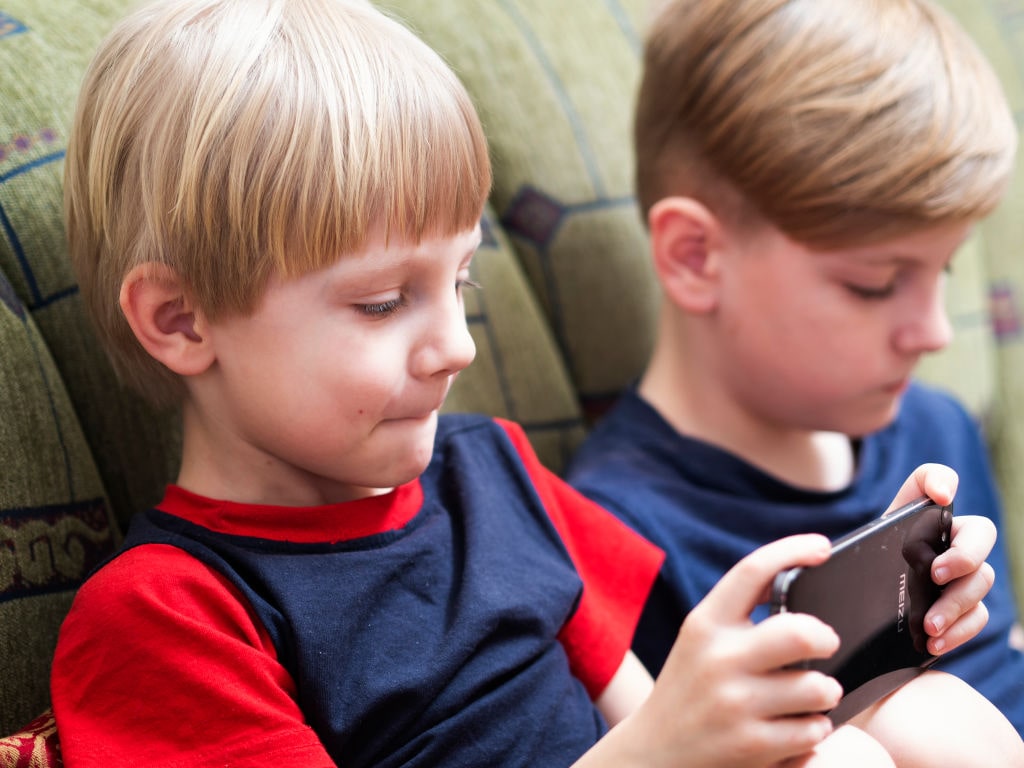
Social media has changed holiday expectations – and not always for the better. Rather than focusing on connection, many users fixate on the likes and views earned by creating a perfect and polished Christmas. This naturally leads to comparison, which our brains are “hardwired” for, according to therapist Juulia Karlstedt, who said “it has been evolutionary advantageous for us to be able to compare our perceived social worth and make adjustments accordingly. If you were doing well in your social group, your social group was less likely to kick you out, which would have been a death sentence for our ancestors living in small, isolated communities.”
To avoid falling into comparison-triggered despair, Karlstedt recommends practicing gratitude. “Gratitude doesn’t mean comparing downwards or invalidating our feelings. It means being fully present and enjoying the things we have in life rather than focusing on the things we don’t have,” Karlstedt said.
At the same time, social media has led to fun new traditions, like viral Advent countdowns and meme-driven Christmas humor. These new forms of connection help users cope with stress, family tension, and loneliness, which have a tendency to pop up during the holiday season.
Artificial Intelligence
Artificial intelligence (AI) has started to play a bigger role in Christmas this year, providing gift recommendations and even writing holiday cards. But not everyone is on board: McDonald’s recently released a holiday ad created using AI, and it faced so much backlash that the fast-food giant was forced to take it down.
“Beyond the uncanny valley effect, the AI-generated ad simply missed the emotional mark. During a season when people seek joy, comfort, and connection, marketers aim to build a sense of warmth and resonance with their audience,” Andrew Witts, Digital Marketing Strategist at Studio 36 Digital, told Creative Bloq. “This advert achieved the opposite, projecting a tone that felt bleak rather than festive.”
If an algorithm is used to express emotion, does it make the message less meaningful? Technology should support intention, not replace the effort and personal thought behind it.
Finding the Balance
Technology has expanded who we can celebrate with and how we do it. Video calls connect families on different continents. Holiday memes contribute to playful group chats. Digital giving makes donating easier than ever. For many, technology has reduced isolation and created new forms of togetherness.
The challenge we all find ourselves facing is balance. Log off to live in the moment and remember that behind every notification is something deeper: the human need for connection and hope. No matter how technology develops, that’s one part of Christmas that will never change.
- Technology has changed how Christmas is celebrated, but the core reasons for the holiday remain the same.
- Christmas shopping used to be done in stores, but thanks to online retailers, many gifts are now purchased from home.
- Practicing gratitude can help ward off comparison-anxiety triggered by holiday social media.