
★ In this story 03
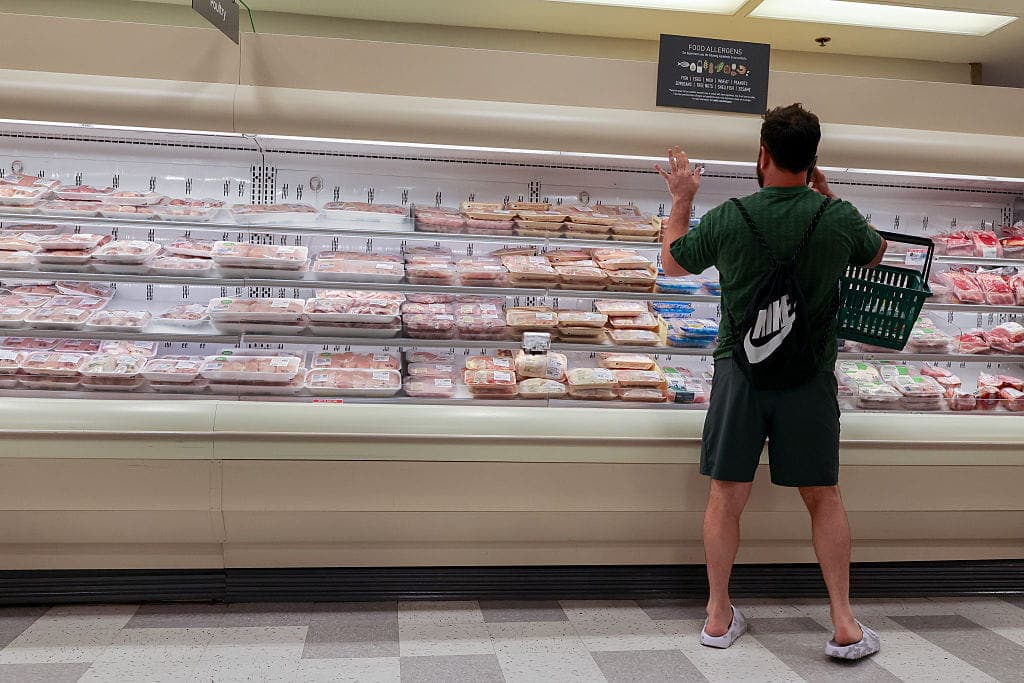
Thanks to the supply chain crisis left over from the COVID-19 pandemic, people are seeing the cost of goods rising while also waiting longer to receive them. There are shortages of everything from foods to computer chips and automobiles. Cargo containers wait at shipping yards for ships to become available, and other modes of transport are backed up, too. Can anything be done to get items on the move again? The city of Seattle may have found a solution to help ease the traffic congestion and supply shortage – pop-up sites.
What is the Supply Chain Crisis?
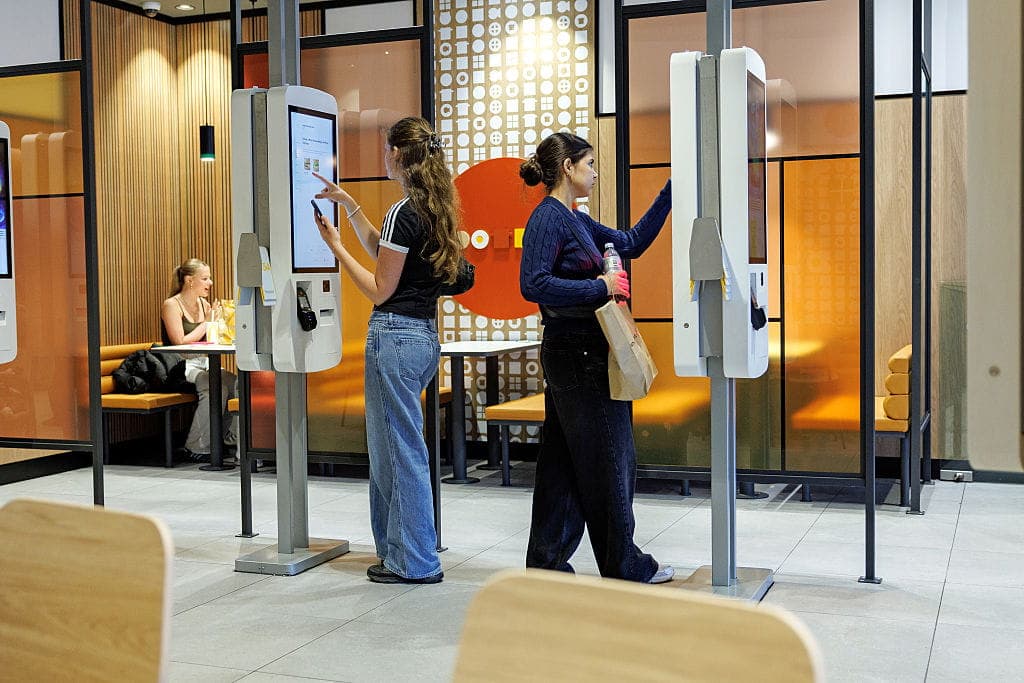
When was the last time you ate a vegetable grown in your state? Or bought a pair of shoes made in your town? In the modern world, many items are no longer made in the same area where the customer will buy them. Things are grown or manufactured and then shipped across the world to a customer far away. This creates a very complicated “supply chain,” where an object is first made, then transported, then eventually gets to its final destination.
Since the system is so complex, even a small problem can cause major delays. Due to COVID rules and lockdowns around the world, the pandemic caused a “supply chain crisis,” as many stages broke down.
Seattle’s Solution
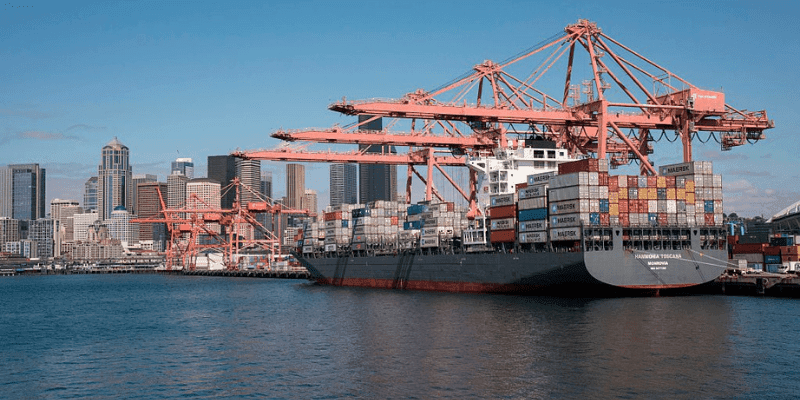
American farmers have been trying to sell their crops to countries in Asia, but a big problem is transport. Near Seattle, lots of empty shipping containers have piled up, causing congestion and delays in transport. Seattle is hoping to help farmers by opening a pop-up location where they can store their produce, ready to get shipped overseas.
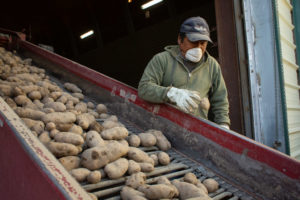
The United States Department of Agriculture (USDA) has promised to give money to help move containers packed with agricultural goods to the pop-up site near the Seattle ports. The USDA will pay agricultural companies $200 per dry container and $400 per refrigerated container filled with American-grown goods.
These payments are meant to help food producers with their shipping costs, which shot up in the past year. It will also, hopefully, free up space to store products that are ready to be placed on ships.
The Northwest Seaport Alliance said US agricultural exports went down by one third in the last six months of 2021. In fact, most of the containers leaving Seattle since May 2021 have been empty.

Last year, Washington sent $1.1 billion in food products to Japan, the state’s Department of Agriculture explained. Another $518 million in goods from Washington went to China, $459 million went to South Korea, and $343 million to the Philippines.
Transport Problems
Shipping containers are in demand, not just in America, but around the world as well. Asian manufacturers need containers to send products to the US, which Americans are waiting impatiently to receive. Meanwhile, American farmers can’t get containers to transport supplies to the Asian markets.
It is difficult for farmers to find transportation for their crops, which could spoil if they have to sit for days waiting for a container. Washington Senator Maria Cantwell says the growing season in her state will be ramping up in the coming weeks, and containers will be needed to transport hay, dairy products, grains, and other goods that will be shipped across the world.
Making matters even worse, some shipping companies have taken advantage of the pandemic by charging huge amounts for farmers and other manufacturers to use their containers and ships.
These new pop-up sites are designed to help with the container and storage shortages while easing the cost for farmers. The Seaport Alliance and other groups have added 60 acres of storage space. Other areas, such as Oakland, California, and Savannah, Georgia, also added extra space in their ports earlier this year.
Try a quiz based on this article
The supply chain crisis was caused by _______.
Show the answer
The COVID-19 pandemic.
What city in the US is trying to help the supply chain by using pop-up sites?
Show the answer
Seattle.
As described in the article, American farmers are having a problem _______ their goods.
Show the answer
Transporting.
Seattle is hoping to open pop-up locations where farmers’ produce can be _________.
Show the answer
Stored.
Most of the containers that have left Seattle since May 2021 have been fully loaded.
Show the answer
False.
How much money will the United States Department of Agriculture pay companies for a refrigerated container?
Show the answer
$400.
The supply chain is the process by which goods are made in a factory.
Show the answer
False.
As discussed in the article, American farmers have been trying to sell their crops to countries in which continent?
Show the answer
Asia.
Which country was Washington's biggest customer for food products last year?
Show the answer
Japan.
Other countries are not having any problems sending products to the United States.
Show the answer
False.