
★ In this story 03
Welcome to Signals From the Front, a weekly column that brings you news and analysis of frontline national security and foreign policy issues. The title references the mid-1800s practice of using signals to pass information at a distance. Those signals could be flags, lights, rockets, drums, bugles, or telegraph messages. This article is about the hostilities between Iran and the United States. The Islamic Revolution in 1979 put in power a conservative government that has caused constant political and military problems in the Middle East, especially for Israel, which Iranian leadership has pledged to destroy. And it identifies the United States as the “Great Satan,” also destined for extinction. When Iran came close to having a nuclear weapon, the United States realized that the whole world would be in danger. So after years of dealing with the Islamic country’s hostile actions, in the Gulf region and elsewhere, President Donald Trump took action.
Road to Conflict With Iran Started in 1979
Every day there is more news about what is happening in the conflict with Iran. It started when the Islamic Revolution brought down the monarchy of Shah Mohammad Reza Pahlavi, who had been in power since August 1953. The revolution deposed Pahlavi and installed Ayatollah Ruhollah Khomeini, a conservative religious leader who had been in exile. The ayatollah turned what had been a strong US Middle Eastern ally into a country run by religious zealots.
Spurred on by the regime calling the United States the “Great Satan,” Iranian students began anti-American rioting, and in November 1979, a mob attacked and occupied the US Embassy in the Iranian capital of Tehran. As The Wall Street Journal explained, “Seven months into the subsequent Islamic Revolution, on Nov. 4, 1979, Iranians stormed the US Embassy and took dozens of hostages, 52 of whom they held for [444 days].”
It wasn’t until President Ronald Reagan was elected that Iran’s behavior was modified. Realizing that Reagan was a resolute leader and would not put up with the country’s hostility, the Iranian leadership released the American hostages on Jan. 20, 1981.
Tehran’s Aggression Has Been Constant
The aggression Iran showed toward the United States by taking hostages was not an isolated incident. In 1983, the Iranian-backed Hezbollah terrorist organization bombed the US Marine barracks in Beirut, Lebanon, killing 214 Marines. Roughly 43 years later, Fox News reported on June 17, 2025, that “Sen. Tom Cotton (R-AR) posted, ‘The forever war is the war that Iran has waged against the US, Israel, and the civilized world since 1979.’ The examples of Iran’s involvement in attacks on Americans include direct and proxy attacks on US forces, support for terror groups, and assassination efforts.”
Adding to the carnage Iran’s behavior has brought to the world stage, the Tehran leadership has been working diligently to acquire a nuclear weapon. Europe and the United States were determined that Iran would never be a nuclear-armed country. In 2015, the Barack Obama administration, along with European nations, cut a deal with Iran called the Joint Comprehensive Plan of Action (JCPOA), designed to put an end, if only temporarily, to Iran’s desire to develop an atomic bomb.
President Donald Trump, in his first term, considered the JCPOA as a weak fix that would only temporarily slow Iran’s desire to have nukes. As a result, Trump pulled the United States out of the JCPOA and imposed economic sanctions. Although Iran claimed it would still abide by the JCPOA, the UN nuclear regulatory agency overseeing Iran’s adherence reported that Iran was not in compliance because it was close to having enough enriched uranium to construct an atomic weapon.
The Biden administration picked up where President Obama’s administration had left off with the same lack of success. Enter President Donald Trump in his second term in office. Within his first six months, Trump determined Iran to be far along in developing a nuclear capability, and that was unacceptable. He authorized an attack named Operation Midnight Hammer using B-2 Spirit stealth bombers and cruise missiles to destroy the underground nuclear complexes where Iran was refining uranium. President Trump announced that the raid was successful.
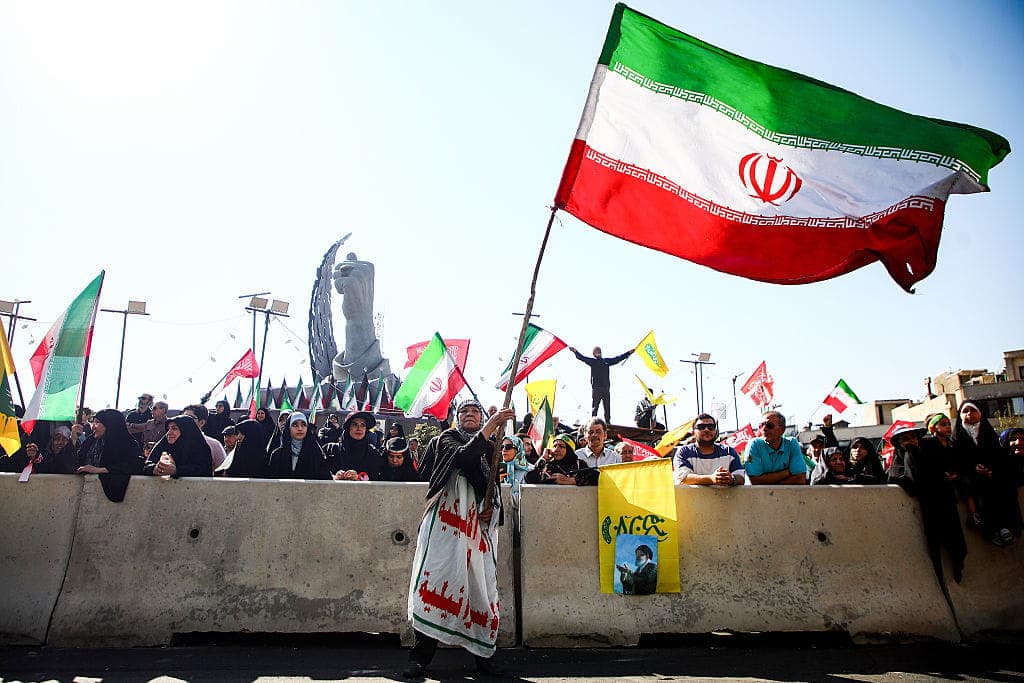
However, despite Operation Midnight Hammer, Iranians still took to the streets, yelling “Death to America,” and Iran continued to arm Hamas, Hezbollah, and Houthi terrorists in Yemen. Additionally, Iran attempted to rebuild its nuclear weapons program. Enough was enough. In February 2026, President Trump announced a major combat operation called Epic Fury, which, along with Israel Defense Forces, brought to bear the full weight of American air power. President Trump addressed the American people, explaining, “For 47 years, the Iranian regime has chanted ‘Death to America’ and waged an unending campaign of bloodshed and mass murder, targeting the United States, our troops and the innocent people in many, many countries.” Epic Fury was successful in destroying Iranian ballistic launchers and missiles, missile and drone production facilities, air defenses, and what was left of the nuclear development infrastructure.
When Will the Conflict End?
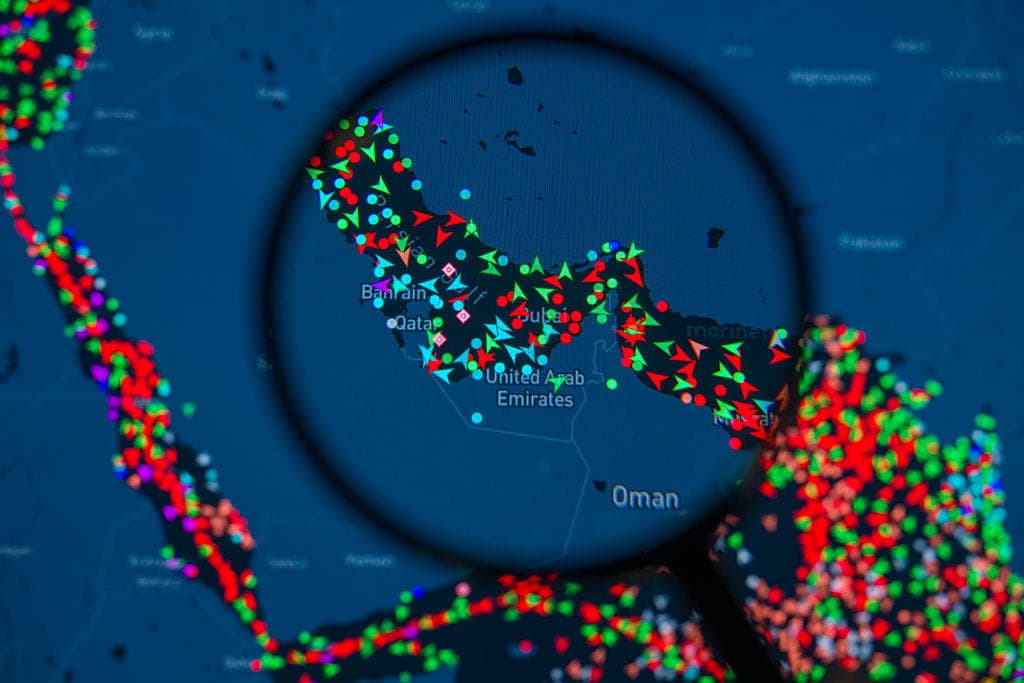
There was a brief pause in the conflict when the United States and Iran agreed on a memorandum of understanding; however, Iran continued harassing ships in the Strait of Hormuz, claiming it had control over the worldwide shipping movements that passed through the strait. The United States established a blockade on all Iranian shipping. The Tehran leadership continued to lob drones and missiles at oil tankers and cargo ships, and US forces started tit-for-tat air attacks.
In September, President Trump told the news service Axios, “I have a big decision coming up [about what to do in Iran] … Anything could happen with me.” Iran leadership still foolishly maintains it controls the Strait of Hormuz. The reality is something entirely different. The United States continues to escort ships into and out of the strait successfully. What President Trump has in mind for Iran is hard to tell.
~
The views expressed are those of the author and not of any other affiliate.
4 Questions
The story, in brief
How did the conflict between Iran and the United States begin in 1979?
The conflict began after the Islamic Revolution overthrew Shah Mohammad Reza Pahlavi and installed Ayatollah Ruhollah Khomeini. Iranian students then launched anti-American rioting, and a mob stormed the US Embassy in Tehran in November 1979. Dozens of Americans were taken hostage, and 52 were held for 444 days.
Why did President Donald Trump order attacks on Iran's nuclear sites?
President Trump concluded that Iran was far along in developing a nuclear capability and that it was unacceptable. The article says Iran had not complied with limits on its nuclear program and was close to having enough enriched uranium to construct an atomic weapon. Trump also viewed the earlier JCPOA deal as a weak, temporary fix.
What were Operation Midnight Hammer and Epic Fury aimed at in Iran?
Operation Midnight Hammer used B-2 Spirit stealth bombers and cruise missiles to destroy underground nuclear complexes where Iran was refining uranium. Later, Epic Fury, carried out with the Israel Defense Forces, targeted Iranian ballistic launchers and missiles, missile and drone production facilities, air defenses, and remaining nuclear development infrastructure. President Trump said both operations were successful.
What is happening now in the Strait of Hormuz between Iran and the United States?
After a brief pause under a memorandum of understanding, Iran continued harassing ships in the Strait of Hormuz and claiming control over shipping there. The United States responded by establishing a blockade on all Iranian shipping, while US forces and Iran exchanged attacks. The United States continues to escort ships into and out of the strait successfully.

Dave Patterson
National Security Correspondent at LibertyNation.Com and Generation Liberty, Dave is a retired U.S. Air Force Pilot with over 180 combat missions in Vietnam. He is the former Principal Deputy Under Secretary of Defense, Comptroller and has served in executive positions in the private sector aerospace and defense industry. Dave’s articles have appeared in The Federalist and DefenseOne.com.