
★ In this story 03
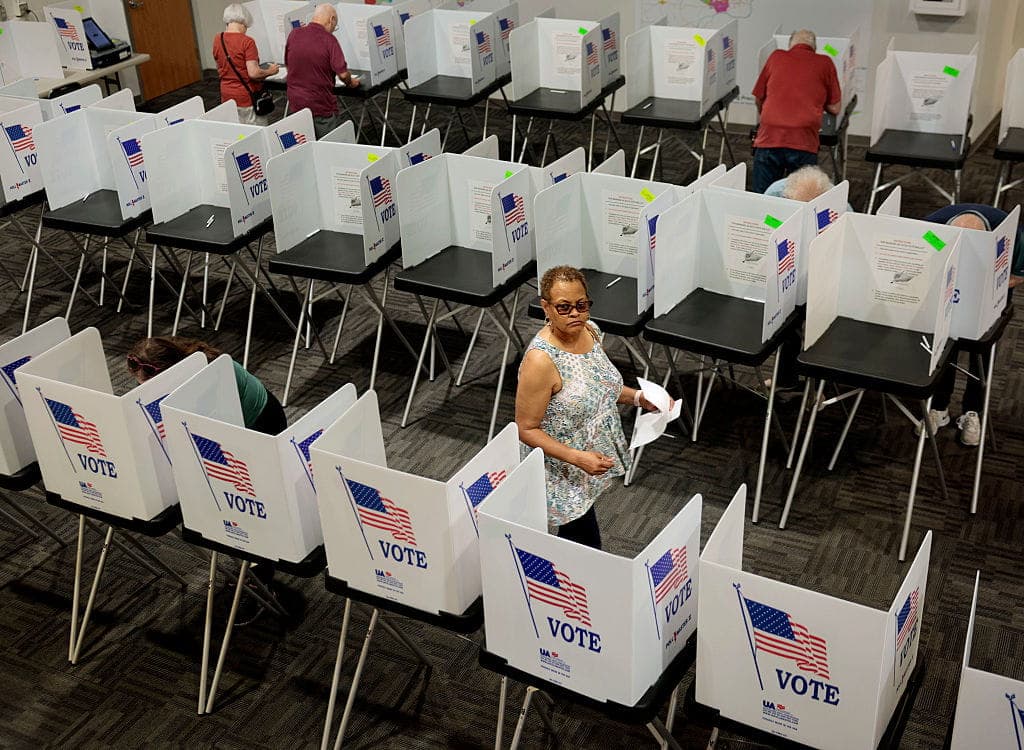
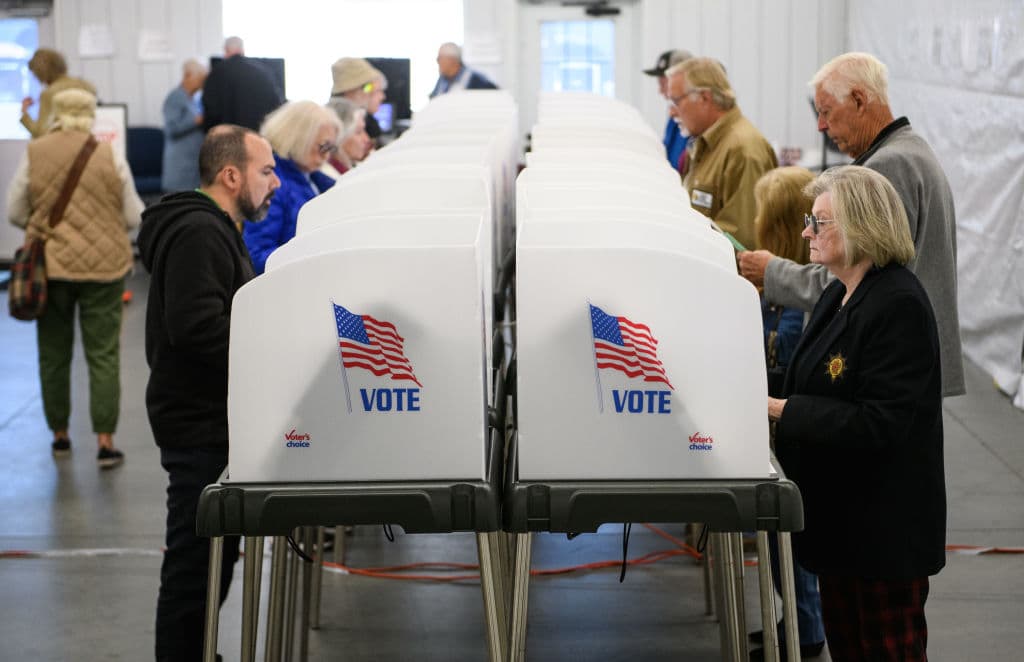
Midterm elections, held every two years, give voters the opportunity to determine the makeup of Congress — and this year, several important races could shift the balance of power from the Republicans to the Democrats. All 435 seats in the House of Representatives are up for election during the midterms because House members serve two-year terms. Senators, however, serve six-year terms, so only about one-third of the Senate is up for election every two years. With the midterms just over six weeks away, let’s take a closer look at how the key races are going.
Midterm Elections and the Fight for the House
Republicans currently have a narrow majority in the House of Representatives, holding 218 seats compared to the Democrats’ 214. To shift the balance of power in the House from right to left, the Democrats would need to secure wins in at least 13 competitive races. Republicans, on the other hand, need to win only nine toss-up elections to maintain control of the lower chamber.
The Cook Political Report, which analyzes American elections, states that this year’s midterms have 21 toss-up races across more than a dozen states, including California, Florida, Michigan, Pennsylvania, Texas, Virginia, and Wisconsin.
According to a recent poll by The New York Times and Siena University, likely voters preferred candidates from the Democratic Party more than their Republican competitors. If the poll is right and Democrats really do have a nine-point edge, Republicans could lose control of the House this fall.
Shifting Power in the Senate
The Republicans also currently control the Senate – a fact that Democrats hope to change during the 2026 midterm elections. The Cook Political Report has seven Senate races in the toss-up column: Alaska, Iowa, Maine, Michigan, New Hampshire, Ohio, and Texas.
Republican leadership recently acknowledged that the GOP’s razor-thin majority in the Senate is far from secure. “I think it’s a competitive environment right now,” Senate Majority Leader John Thune (R-SD) said, adding that the “opposition party tends to be more motivated, their voters are motivated.”

Thune is right. Historically, the party of the president tends to lose ground in Congress during midterm elections — and right now, Republicans control the White House, the Senate, and the House of Representatives.
What Happens If the Power Shifts?
What happens if the Democrats take control of the House? Well, they have promised more intense oversight of President Donald Trump’s administration, as well as new legislation to help ease the cost of living for struggling Americans. Many also believe the Democrats will once again move to impeach the president.
Republicans have made similar promises — except impeaching Trump, of course — with perhaps the most surprising pledge coming from President Trump himself, who vowed to give every American adult $5,000 if the GOP maintains control of Congress after the midterm elections. With many Americans stressed about making ends meet amid soaring fuel prices, a $5,000 check is quite appealing.
That’s the difficult part about politics: campaign promises are easy to make, but voters ultimately have to decide which candidates are trustworthy and which promises — if kept — will make the biggest positive difference in their lives.
4 Questions
The story, in brief
What seats are up in the 2026 midterm elections?
All 435 seats in the House of Representatives are up for election because House members serve two-year terms. In the Senate, only about one-third of seats are up every two years because senators serve six-year terms. These contests will help determine which party controls Congress.
How could Democrats win control of the House in 2026?
Republicans currently hold a narrow House majority, 218 seats to 214 for Democrats. Democrats would need to win at least 13 competitive races to shift control of the chamber. The Cook Political Report lists 21 toss-up House races in more than a dozen states.
Which Senate races are considered toss-ups in 2026?
The Cook Political Report places seven Senate races in the toss-up category. Those states are Alaska, Iowa, Maine, Michigan, New Hampshire, Ohio, and Texas. Republicans currently control the Senate, but their majority is described as razor-thin and not secure.
What could happen if Democrats take control of the House after 2026?
Democrats have promised more intense oversight of President Donald Trump's administration. They have also said they want new legislation to help ease the cost of living for struggling Americans. Many also believe Democrats would once again move to impeach the president.