
★ In this story 02
Election time is upon us once again. Every couple of years around this time, the political news centers on one topic: national elections. Right now, it’s the 2026 midterms, which means Congress is in the spotlight. In a couple of years, it’ll be the presidential election all over again. Either way, the headlines scream that this is the most important election cycle ever. Certainly, the big national campaigns get all the attention and money, but don’t let the shiny glare of national attention blind you to the importance of local politics. Washington, DC, may get all the headlines, but city hall is where your life is most directly affected.
Local Politics Runs Your Day
When all the glitz and glamor of national elections fade, it’s local politics that really matters in your day-to-day life. When you turn on the faucet, the water that comes out is managed by a municipal water district or local utility board. The pavement on the streets you take to work or school was laid by city, county, or even state employees using local funding. Your school is paid for mostly by property taxes and is run by a local school board and the state board of education. And if your family calls 911 for assistance, the fire truck, police car, or ambulance that arrives to help is funded by those same local taxes and is run by a local chief, mayor, county sheriff, or administrator.
Washington deals in bigger numbers: trillions of dollars in national debt, nationwide taxes and spending in the hundreds of billions, foreign trade treaties and military deployments across the globe. And those decisions absolutely do affect the lives of Americans – and may do so in subtler ways for much longer periods of time. But local governments spending far fewer dollars in much smaller areas are the ones filling the potholes and deciding how much property tax you or your parents pay and whether that forest behind your neighborhood can be clear-cut and bulldozed to build another housing development or strip mall.
The Big Fish, Little Pond Effect
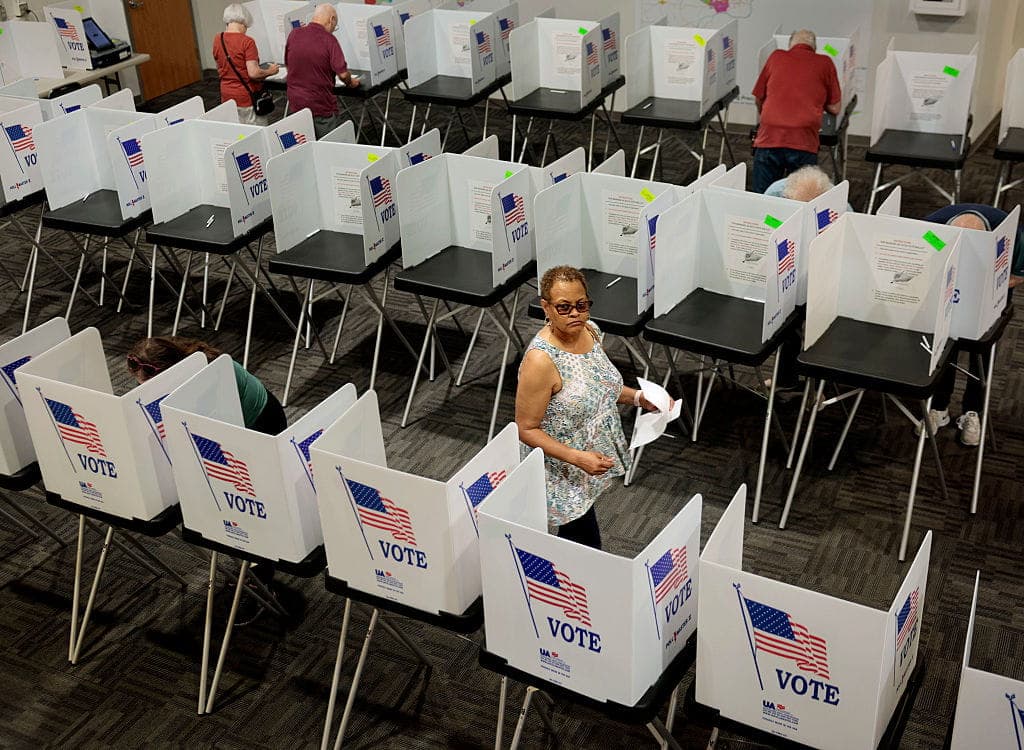
According to the US Census Bureau, 73.6% of all US citizens eligible to vote (174 million) were registered, and 65.3% (154 million) voted. You’ve probably heard the expression one in a million. For federal elections, you aren’t even that – nowhere close, in fact. Does your vote matter? Sure, insofar as any other individual’s in that sea of 154 million people does.
But your state population is much smaller – no matter where you live – and your city or county population is even smaller than that. As the total population continues to drop, you become a much bigger fish in an ever-shrinking pond. And, since local elections are often overlooked in favor of national and even state issues, voter turnout is often as low as 15% or 20%. In towns and counties across the nation, school boards, councils, and commissions are often decided by dozens of votes – sometimes even fewer. You will probably never be the deciding vote in who becomes president of the United States – but you very well could the person who picks the mayor of your town.
What’s more, you are far more likely to become the mayor of your town – or a school board member, a judge, a chief, or a member of city council or some commission – should you take an interest in politics. Much as your vote is diluted federally by everyone else’s, so too are your chances of ever holding national office. If you’re born in the United States and reach a certain age, you could technically, legally, become president. When your mom and dad say you could someday, they aren’t lying.
But can and will are two different things. If you’re interested in politics, you probably have a good shot of winning some local election someday. But there are more than 330 million natural-born citizens in the United States and only one president. Maybe you could become president – but you almost certainly won’t.
More importantly, though: You can probably do a lot more good in your local community than you ever could on the national stage. Even if you made it to the House of Representatives or Senate, then your ideas compete with 99 other senators or 434 other representatives – only to ultimately go completely unnoticed by the majority of everyday folk in America. If you someday become the mayor of your town, a county judge, or an administrator or council member at some level, you have a much more direct effect on the quality of life of the people who live in your neighborhood. It’s easy to get caught up in the glory of saving the nation or even the world – but the way to do it might start a lot closer to home than you realize.
4 Questions
The story, in brief
Why does local politics matter more to daily life than Washington, DC?
Local governments manage many services people use every day, including water systems, roads, schools, and emergency response. They also make decisions about property taxes, land use, and neighborhood development. Those choices often affect daily life more directly than the big national debates that dominate headlines.
How much influence can one voter have in local elections?
A single voter can matter more locally because city and county populations are much smaller than the national electorate. Local turnout is often as low as 15% or 20%, and races for school boards, councils, and commissions are often decided by dozens of votes, sometimes even fewer. That makes each vote more powerful in local contests.
What local offices could an interested person realistically win someday?
Someone who takes an interest in politics may have a good shot at winning a local election. Examples given include mayor, school board member, judge, chief, city council member, or a seat on some commission. Those roles are presented as much more attainable than national office.
What difference can local officeholders make in their communities?
Local officeholders can have a much more direct effect on the quality of life of people in their neighborhoods. They oversee practical issues such as public services, taxes, roads, schools, and development decisions. The argument is that doing good for the country may begin by serving close to home first.