
Since the Taliban has regained power, the future for girls and women is more uncertain than ever in Afghanistan. For 20 years, Afghan females have grown up with limited freedom to do what other girls and women can do by just being born in America. Is that about to change?
The Taliban, or “students” in the Pashto language, were prominent in Afghanistan in the 1990s. They are a religious-inspired movement; the group began in seminaries that promoted a strict form of Sunni Islam. They ruled the country from 1996 until 2001. During that time, they kept girls from going to school, would not allow women to drive a car or be seen in public without a male relative to accompany them, and no way could females hold a job or have their own money. In addition, the Taliban banned music, television, movies, and for several years were accused of human rights and cultural abuses.
But in 2001, U.S.-led forces removed the Taliban from power and stayed in the country to provide law and order. Afghan girls and women were given rights the Taliban had denied them. Now, 20 years later, President Joe Biden has pulled American troops out of the country. The Taliban immediately regained power and promised to secure the area, restore peace, and enforce their radical version of Sharia, or Islamic law.
The Taliban are not recognized as a government, and as such, they are not controlled by a set of rules – unlike the U.S. government, which has to follow certain laws. The Taliban instead rule based on their religious beliefs, which they make their subjects obey. Unlike freedoms Americans enjoy, guaranteed in the U.S. Constitution, Afghans are expected to follow whoever is in power. Any disobedience could result in severe beatings and, in some cases, execution.
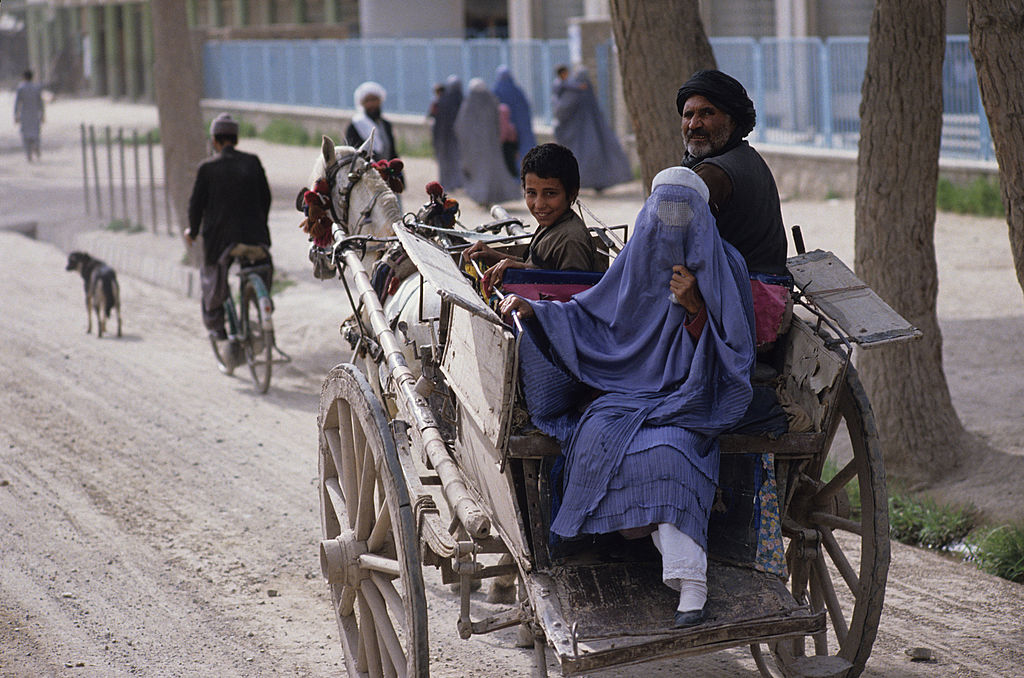
Fears for the safety of Afghan women grow daily, along with aid organizations that have female staff and volunteers. Today, thousands of women fear retaliation – whether U.S. aid workers or local moms, sisters, and daughters. There are calls worldwide for help in getting women to safety through the U.S. government channels, United Nations, and refugee status.
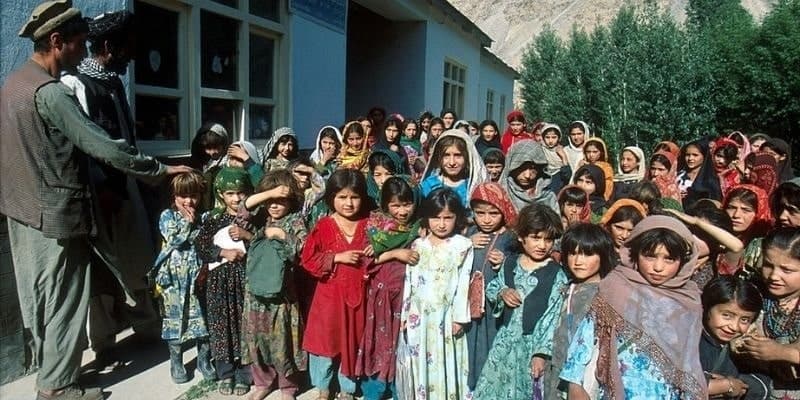
The Taliban has vowed to allow some women’s rights, but they are not explaining what that means. Will they ease their control over women and girls and allow a few freedoms? As of 2019, Afghans had nine million kids in school – and more than a third were girls. The last ten years have seen female medical students graduate, an Afghan all-girls robotics team, and more female students enrolling in college. The Taliban may want to put their rules back in place, but with literacy rates skyrocketing, going back to the old ways may not be easy.