
★ In this story 03
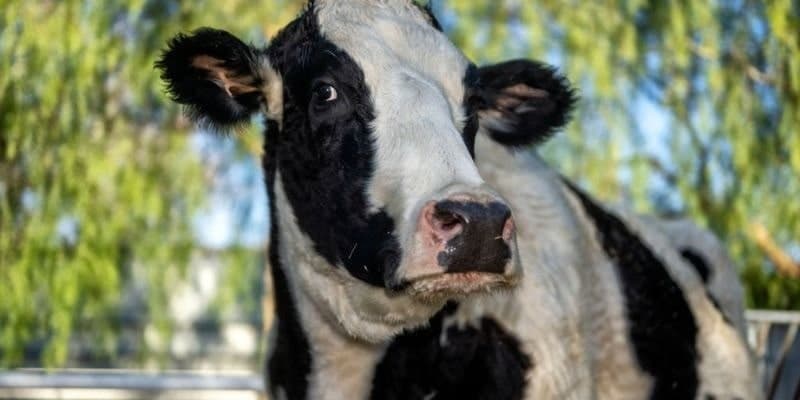
Americans – especially Zoomers and Millennials – have become more focused on the quality and origins of their food. Seeing food not simply as a source of pleasure but as the foundation of good health, informed consumers have increased consumption of natural whole foods, including eggs, cheese, yogurt, fresh produce, and red meat. Revelations that significant numbers of male US beef cows are lactating (emitting milk from their teats) at the time of slaughter raise yet more questions about potential risks of the modern food supply.
Castration of Steers
Male cows are called bulls. Bulls that are castrated (have their testicles removed or disabled) are called steers. Most male beef cattle used to make Americans’ hamburgers and steaks are steers. Because castration eliminates most of the animal’s testosterone, steers are less aggressive, gain more weight in fat, and have more tender meat. However, neither bulls nor steers are supposed to produce milk.
A research project from West Texas A&M University assessed more than 20,000 finished (ready for slaughter) cattle from 33 feedlots and found that 14.55% of native beef steers and 19.66% of dairy-cross steers were lactating at slaughter. Many old farmers and ranchers report never seeing a lactating steer in their lifetimes, but now they are commonplace. Why?
The West Texas A&M study did not identify the cause of this modern beef phenomenon, but two prevailing theories exist: The cows are really fat, or they are lactating because of hormone implants designed to make them grow faster. The answer to this riddle could be found if a study is undertaken to compare implanted versus never-implanted cattle directly. However, neither option is comforting and suggests a change in the US beef production system that may not benefit livestock or the people who eat them.
Hormone Implants in Beef Cows
It has not been established that hormone implants adversely impact human health. The Food and Drug Administration (FDA) states:
“Using scientific data, FDA establishes the acceptable safe limits for hormones in meat. A safe level for human consumption is a level of drug in the meat that would be expected to have no harmful effect in humans based on extensive scientific study and review.”
Often, scientists do not initially understand the risks of a particular chemical, process, or machine. Industrial hormones created to make animals grow faster and more efficiently could have unintended impacts on animals or humans.
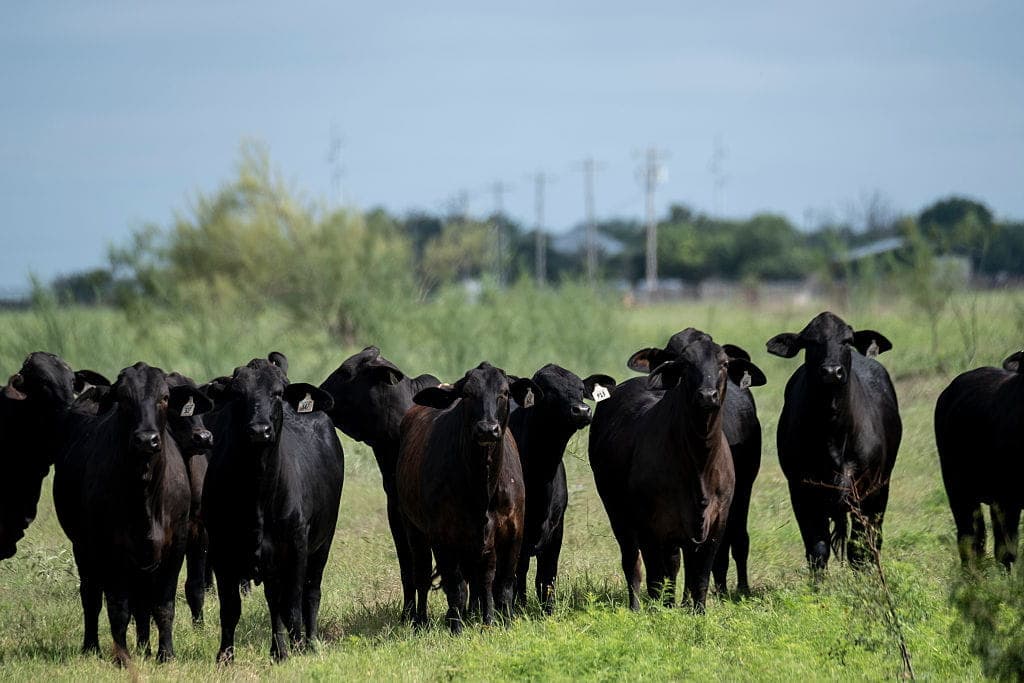
While hormone implants sound like science fiction, they are routinely used in US cattle herds. Several hormone compounds are available, usually in pellet form, and are placed under the skin on the back of a cow’s ear. These implants are not used in poultry (chickens) or swine (pigs). The pellets dissolve slowly under the skin and do not hurt the cows. The ears are removed at slaughter and not used for food.
The FDA has approved growth implants since the 1950s and lists them as having zero-day withdrawal. This means the meat is safe to eat immediately after treatment, without any waiting period. Calves are often implanted before weaning (when they are separated from their mothers’ milk), and most US-fed cattle receive three to four implants during their lifetimes. Reports suggest that up to 94% of US feedlot steers and heifers receive at least one hormonal implant during the final finishing stage, just before slaughter.
If the hormone implants aren’t the cause of steers suddenly lactating, it may be that they are simply too fat. For decades, US ranchers and farmers have selected breeding genetics for beef cows that favored rapid growth, high fat (marbling), and feed efficiency. Modern farming methods focused on feeding cows grain diets, which increased fat deposition.
Why It Matters
Fat cows taste better, grow faster, and are more profitable. However, modern beef genetics may change hormone levels in ways we don't yet fully understand. And it could be that it is a combination of hormone implants and fat-favoring genetics – and even environmental or other factors – that are causing large numbers of America’s steers to lactate unnaturally.
It's straightforward to conduct studies to identify these causes quickly (just compare cows with and without implants). It may take longer to determine whether these hormones or lactating steers used in our cheeseburgers affect humans.
4 Questions
The story, in brief
Why are some male beef steers producing milk at slaughter?
Researchers have not identified a confirmed cause. The main theories described are that the steers are extremely fat, or that hormone implants used to speed growth may be triggering lactation. The article also says a combination of implants, fat-favoring genetics, and other environmental factors could be involved.
How many US steers were found lactating in the West Texas A&M study?
A West Texas A&M University project examined more than 20,000 finished cattle from 33 feedlots. It found that 14.55% of native beef steers and 19.66% of dairy-cross steers were lactating at the time of slaughter. The study did not determine what caused the lactation.
How are hormone implants used in US beef cattle?
Hormone implants are commonly placed as pellets under the skin on the back of a cow's ear. The pellets dissolve slowly, the ears are removed at slaughter, and the FDA has approved these growth implants since the 1950s with zero-day withdrawal. Most US-fed cattle receive three to four implants during their lives, and reports suggest up to 94% of feedlot steers and heifers get at least one implant during finishing.
What happens next in finding the cause of lactating steers?
The next step suggested is a direct study comparing implanted cattle with cattle that were never implanted. That kind of research could quickly help identify whether implants are a cause. Determining whether hormones or lactating steers in beef affect humans may take longer.

John Klar
Contributing Author John Klar is an attorney, pastor, writer, and off-grid farmer and contributing author for LibertyNation.com and Generation Liberty. John blogs for Mother Earth News on agricultural issues and maintains a weekly commentary in The Newport Daily Express. He has also been featured in The Federalist and American Thinker.