★ In this story 03
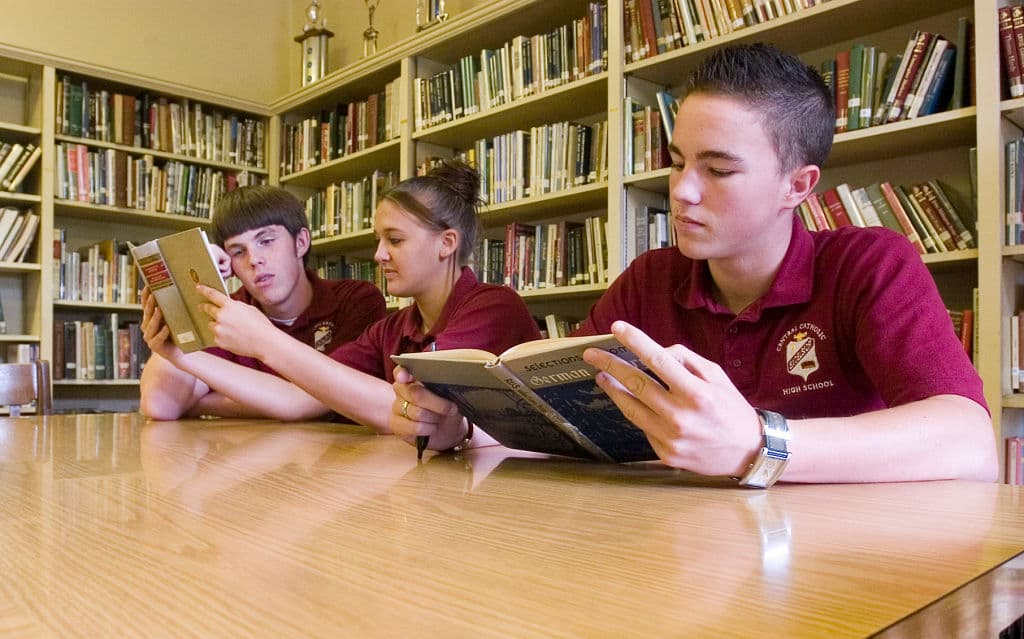
Reading scores have stagnated since the coronavirus pandemic after falling sharply in the years prior. But new data suggest that elementary students could be turning a corner as they log better scores. With researchers noting that schools are going “back to normal,” is this the beginning of a new trend for K-8 children?
Reading Scores Improve in 2026
Northwest Evaluation Association (NWEA), an education research organization, recently released reading score results from kindergarten through eighth grade. The numbers should offer relief for state governments and joy for parents.
Researchers determined across-the-board "sizable improvements" between spring 2025 and spring 2026 after years of flatlining. The report concluded that as much as 33% of the pandemic reading gap was eliminated.
Officials said the largest improvement in reading scores was in the eighth grade. Kindergarten reading scores have rebounded so much that they are above pre-pandemic levels.
Additionally, children who have been historically underserved – typically black, Hispanic, and poor kids – registered some of the largest reading gains during this one-year span.
Still, more work remains. The NWEA notes that a two-thirds gap continues between where students are now in reading and where they were before the public health crisis. For now, educators will gladly accept the gains.
"Encouragingly, the spring 2026 results suggest that reading recovery may finally be gaining traction after several years of stagnation," study authors said.
"These patterns offer a more hopeful reading story than prior years, when reading achievement remained largely stuck even as math showed modest signs of recovery."
Math scores, meanwhile, have been mixed.
From kindergarten to fifth grade, achievement levels have been edging up since spring 2021, and this trend continued through spring 2026.
Back to Basics
In the years before the pandemic began in 2020 and 2021, reading scores had been trending downward, as educators implemented new methods of teaching literacy.
· Balanced Literacy: Relies on pictures instead of breaking down words.
· Leveled Reading: Gives students texts considered "just right" for their level.
· Three Cues: Encourages kids to guess the words rather than building skills to break down words (What’s happening in the picture? What kind of word fits in the sentence? What would be the first letter?).
Now that these approaches have not worked, states across the country have adopted new requirements for schools. In other words, they have been going back to basics.
This means teachers will teach individual sounds (phonemes) and letter combinations (graphemes), effectively building words from these sounds.
Put simply, kids are no longer told to guess words. Instead, they receive phonics-based instruction that emphasizes comprehension and vocabulary.
“This is likely a reflection of what some state lawmakers have done to pay attention to that subject specifically,” Jonathan Butcher, acting director of the Center for Education Policy at the Heritage Foundation, told The Hill.
Young Americans who have already gone through the government primary school system are struggling.
The 2025 Program for International Student Assessment (PISA), a similar report that tests students' reading and math scores, found that reading scores for 15-year-olds in the United States declined by 14 points since the test started in 2022.
Why This Matters
Over the years, researchers have talked about a “learning recession.” The data show that reading scores had been steadily falling since the early 2010s as more schools imposed new styles of teaching reading, writing, and math.
While one year’s worth of data might not be the new norm, the figures are encouraging and indicate children are becoming better readers.
If more children find reading a bit easier, perhaps more will read for fun, whether Captain Underpants or 20,000 Leagues Under the Sea. The latest Nation’s Report Card concluded that just 14% of 13-year-olds read for fun every day last year, compared to 27% in 2012.
4 Questions
The story, in brief
What did the NWEA report say about K-8 reading scores in spring 2026?
The Northwest Evaluation Association reported across-the-board sizable improvements in reading between spring 2025 and spring 2026 for students in kindergarten through eighth grade. Researchers said as much as 33% of the pandemic reading gap was eliminated. They also found the largest improvement was in eighth grade, and kindergarten scores rose above pre-pandemic levels.
Which students saw some of the biggest reading gains in the NWEA data?
Children who have been historically underserved registered some of the largest reading gains during the one-year span. The report identified these students as typically black, Hispanic, and poor kids. The gains were part of a broader improvement seen across grade levels from kindergarten through eighth grade.
Why do some researchers think reading scores may be improving now?
Researchers said schools are going back to normal, and some states have adopted back-to-basics reading requirements after earlier literacy methods did not work. Teachers are focusing more on phonics-based instruction, including individual sounds and letter combinations, instead of having students guess words. Jonathan Butcher said the gains likely reflect attention from state lawmakers to this subject.
What reading challenges still remain for U.S. students after the 2026 gains?
The NWEA said more work remains because a two-thirds gap still exists between current reading levels and where students were before the public health crisis. Older students are also struggling, with the 2025 PISA finding that reading scores for 15-year-olds in the United States declined by 14 points since the test started in 2022. Reading for fun is also down, with just 14% of 13-year-olds doing it every day last year.