
★ In this story 03
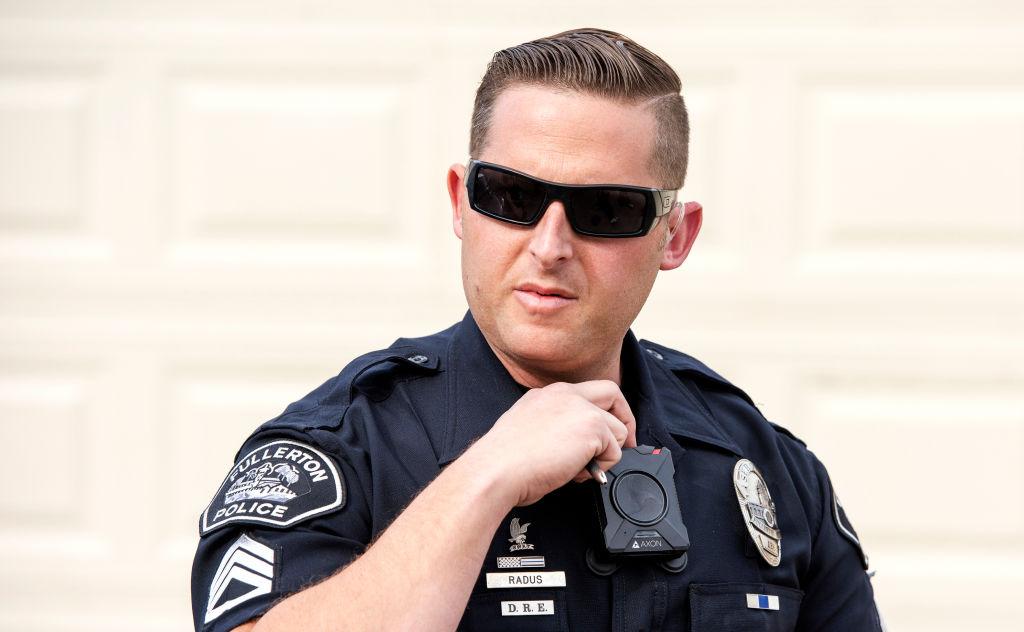
Take a close look at the officer in this photo. He’s reaching for something clipped to the front of his uniform. It’s not a radio. It’s not a badge. So what is it, and why do so many officers now wear one every time they go on duty? Here’s a hint: it doesn’t blink, it doesn’t forget, and it may be keeping an eye on the officer just as closely as on everyone else. It’s a body-worn camera, and it records what an officer sees and hears during traffic stops, calls for help, and other run-ins with the public. According to a 2023 Bureau of Justice Statistics report, about 62% of local police departments in the US were using body cameras in 2020.
Through the Lens: The Promise – and Limits – of Body Cameras
Supporters of police body cameras say they keep everyone honest. Critics worry about privacy, cost, and what happens to all that video. Let’s look at both sides.
One possible benefit is a clearer picture of what happened. When an officer and a civilian tell two different stories, video can help sort things out. Recordings give investigators evidence that doesn’t depend on anyone’s memory. But a camera only sees what’s in front of it. It can miss what happened just outside of the frame, or what led up to the moment it started recording.
Some studies have found that complaints against officers dropped after cameras showed up. A 2017 study from the National Criminal Justice Reference Service of one Las Vegas, Nevada, police department found that the share of camera-wearing officers who got at least one misconduct complaint fell from 54.6% to 38.1%. For officers without cameras, the number barely moved: from 48.0% to 45.5%. However, fewer complaints doesn’t necessarily mean interactions got better. It’s possible people were just less likely to file a complaint once they knew there was video evidence.
Body cameras may also build trust. Recordings can help clear up disputes, which may help the public trust that they’ll be handled fairly. Still, two people can watch the same clip and see very different things. Video doesn’t guarantee everyone will agree on what it shows.
Footage can be a useful training tool, too. Real recordings give trainers real examples to talk through with new recruits, such as what went well, what went wrong, and what the job actually looks like on a tough day.
But cameras don’t automatically change behavior. The idea is that everyone acts more carefully when they know they’re being recorded. The research is mixed, though. A 2020 Campbell Collaboration review of 30 studies found no consistent, statistically significant effect on how often officers used force. Cameras can help document misconduct and support investigations, but simply wearing one doesn’t stop misconduct from happening.
What about Privacy?
Privacy is one of the biggest concerns. Body cameras record whoever is in view, not just suspects. When officers respond to a call at someone’s home or a hospital, the camera might capture people who never agreed to be filmed. This could include kids, victims of domestic or sexual assault, or someone in the middle of a medical or emotional crisis. The ACLU of Iowa warns that footage can expose sensitive details about people at their most vulnerable.
In a 2016 Bureau of Justice Statistics survey, nearly 40% of US law enforcement agencies without body cameras said privacy concerns were one reason they didn’t use them. And once the video is recorded, where does it all go?
Every shift can produce hours of video, and all of it has to be stored, organized, and protected. That takes staff, technology, and money, more than some departments can easily afford.
Policy Questions – Who Records, and What Happens Next?
So who has to wear a body camera? It depends on where you live. In April 2021, the National Conference of State Legislatures listed statewide body-camera requirements in Colorado, Connecticut, Delaware, Illinois, Maryland, New Jersey, New Mexico, and South Carolina. Nevada requires uniformed officers who regularly deal with the public to wear them at certain agencies, including local police departments, sheriff’s offices, the Nevada Highway Patrol, and school resource officers.
How long the video is kept varies by state and by what’s on the recording. Routine footage might be deleted fairly quickly. Video showing use of force, a gun being fired, or an incident that led to a formal complaint is usually kept longer, sometimes a year or more. In some places, the rules depend on whether a case is still open rather than a set number of days.
Whether the public can see the footage depends on state law and the circumstances. Some footage is restricted, and asking for a video doesn’t mean you’ll get it. The request process, wait times, and fees vary too. The agency that made the recording can explain how to ask for it, which might mean filling out an online form or writing a formal letter.
Body cameras can be powerful tools, but they’re not magic. They can shed light on what happens between police and the public, and they also raise real questions about privacy, cost, and who controls the footage. On their own, they don’t fix the problems that can come up whenever police and the public interact. What do you think? Should every officer be required to wear one? And who should get to watch the video?
4 Questions
The story, in brief
What do police body cameras record during public interactions?
A body-worn camera records what an officer sees and hears during traffic stops, calls for help, and other run-ins with the public. Supporters say that video can give investigators evidence that does not depend on memory when officers and civilians describe an event differently.
How common are police body cameras in the United States?
According to a 2023 Bureau of Justice Statistics report, about 62% of local police departments in the United States were using body cameras in 2020. State rules also vary, and the National Conference of State Legislatures listed statewide body-camera requirements in several states in April 2021.
Why do critics say police body cameras can threaten privacy?
Privacy is a major concern because body cameras record whoever is in view, not just suspects. When officers enter homes or hospitals, the footage may capture children, victims of domestic or sexual assault, or people in medical or emotional crisis, exposing sensitive details at vulnerable moments.
What happens to police body camera footage after it is recorded?
Departments have to store, organize, and protect hours of video from each shift, which takes staff, technology, and money. How long footage is kept depends on state rules and what the recording shows, and public access also depends on state law, the circumstances, and each agency's request process.

Kirsten Brooker
Culture Correspondent for Liberty Nation and Generation Liberty. Kirsten loves to write about culture from the point of view of an everyday American who lives deep in the heart of the Midwest. She is the mother of two adorable girls, likes classic rock, and humbly wears the crown of a former Homecoming Queen with grace and style.