

★ In this story 03
Scientists are hoping to return to the moon and colonize Mars in the next few years – but another of Earth’s neighbors may be worth visiting, as scientists find signs of life.
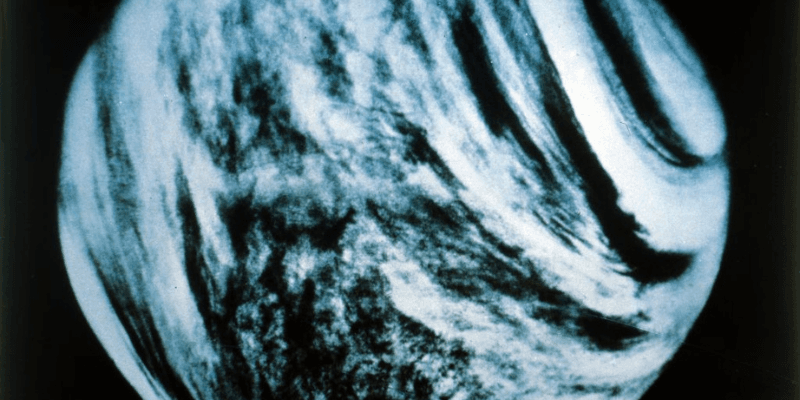
Scientists have discovered the gas phosphine in the atmosphere of the planet Venus. There are no known ways of producing this gas by a chemical reaction; only living bacteria can make it on Earth. Because of this, scientists believe there could be life on Venus.
Venus
Venus is named after the Roman goddess of love. It has also been called the morning star because it often shines bright in the eastern sky before sunrise.
In many ways, Venus is the twin planet of Earth. It is almost the same size, and the gravity on the surface is nearly the same. Scientists long regarded it as the most promising place to look for alien life. But in the first space mission into the Venusian atmosphere in 1967, scientists learned that the planet’s surface temperature is a scorching hot 500° Fahrenheit, and it rains sulfuric acid. No life as we know it can survive on the surface, so the scientists shifted their attention to Mars instead.
Gas from Bacteria?
Now, a team of scientists believe they have found phosphine in the upper atmosphere of Venus. Phosphine is a smelly and highly poisonous gas. On Earth, there is no known way to produce it through chemical reactions. Only certain types of anaerobic bacteria can create the gas.

Could this mean that there is life in the upper atmosphere of Venus? Scientists are encouraged because the temperature in that region is in the right range for life.
Others caution about being too optimistic. The temperature may be right, but it is still a highly acidic environment, which is not suitable for life. Also, this isn’t the first time scientists have found gases that are usually made by organisms.
On Mars, they discovered methane. On Earth, this gas is produced in the guts of animals and by some bacteria. Maybe the methane on Mars comes from life? Scientists are not sure, but they say they have found ways nature can produce it chemically.
Visiting Venus
To check if there is life on Venus, we need a space mission. A spacecraft must enter its atmosphere to collect gas samples, then return to Earth without being destroyed.
Unfortunately, that’s very difficult and expensive! At the moment, scientists and businesses are more interested in going to Mars, so it may be a long time until we see a mission to Venus.