
★ In this story 04
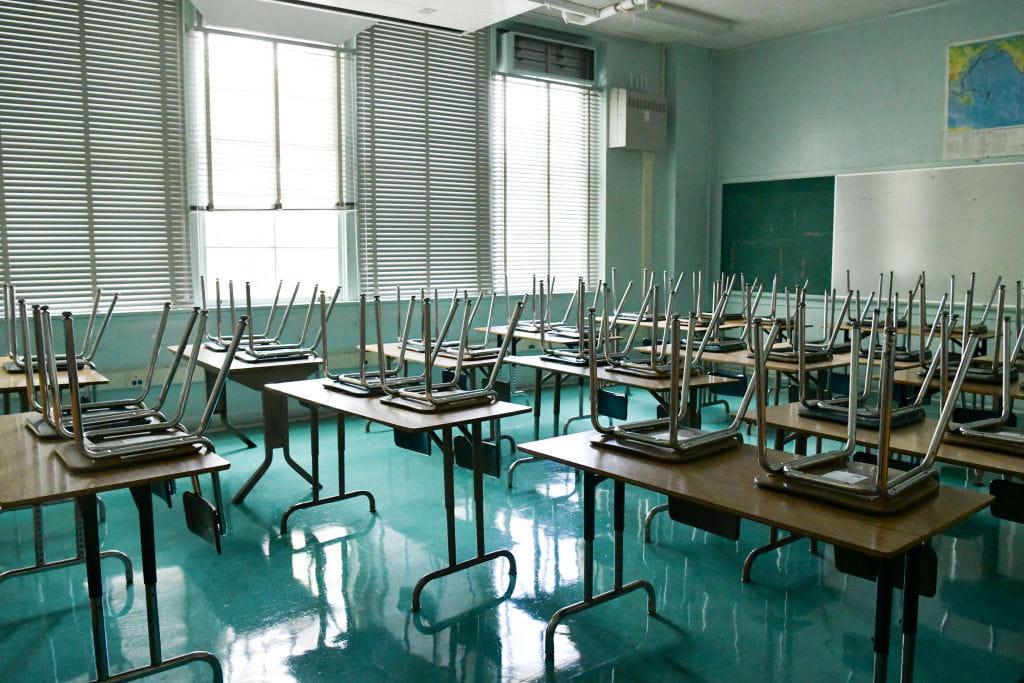
A recent analysis of federal data found that 1,156 American schools closed their doors during the last academic year, the highest annual tally since the pandemic. This could be the new normal, as student enrollment continues to fall. But what's happening across elementary and secondary schooling in the nation?
American Schools Closing
Across the United States, local districts are facing gaping holes in their budgets. In other words, they are strapped for cash.
To close these massive deficits, officials have closed schools. The Associated Press identified the Vallejo City Unified School District, near San Francisco, California, as one example. That district has shut down five campuses since 2025 and could cut up to one-third of positions to reverse a $36 million shortfall.
Whether these efforts work is doubtful. Research has found that closing schools rarely generates the financial results many districts plan for. The costs still add up, from busing students to reassigned schools to security for empty facilities. The tax base can also shrink as families leave these districts for better schools elsewhere.
Whatever the case, American schools will be experiencing a makeover in the coming years.
Reasons Behind the Numbers
US public school enrollment peaked in 2019. Since then, government data show the number has declined by about 1.4 million. Government estimates predict a total decline of 2.7 million from 2022 to 2031.
Various trends can explain why this has happened.
First, falling birth rates are a main factor. Between 2012 and 2024, the US birth rate fell by 15%, shrinking the pool of school-age children. Put simply, fewer people are having kids, and this inevitably leads to fewer kids in American schools.
Second, many families are leaving big cities for lower-cost regions of the country. Places like Chicago and Los Angeles are seeing an exodus, while rural communities, particularly in the South, are experiencing a revival.
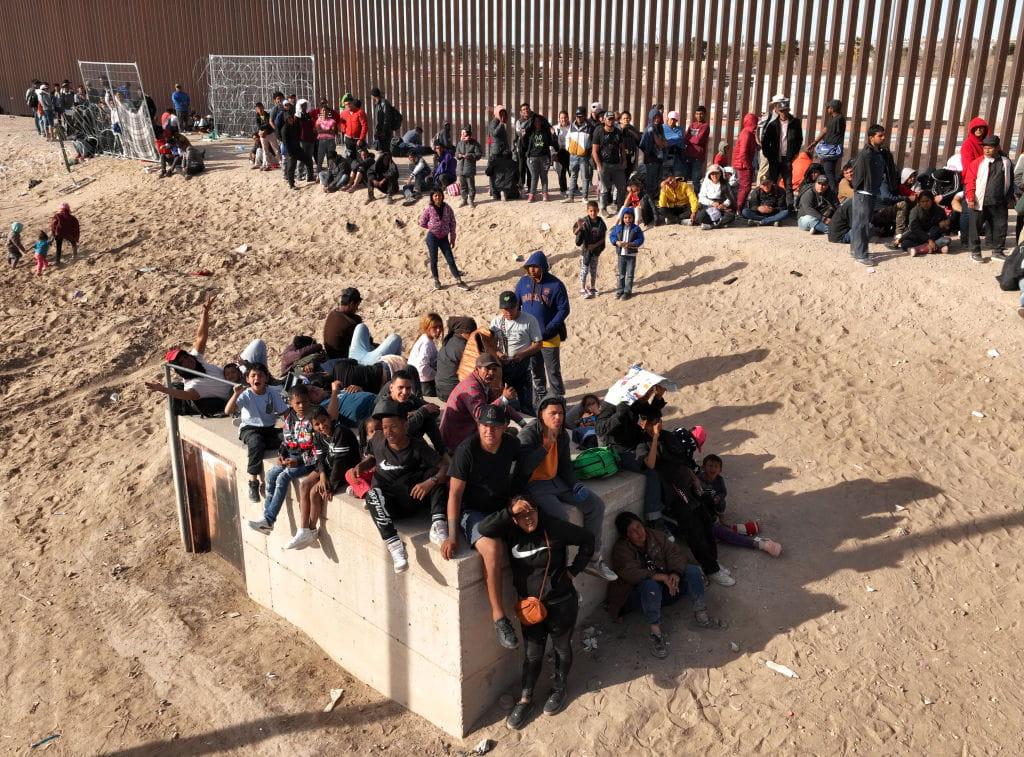
Third, immigration policy reforms have led to fewer people coming to the country with their children, meaning they are not populating schools that already have low student counts.
Administration Is Growing
Despite the decline in student enrollment, school staffing has gone up nationwide. This includes teachers, though experts say US schools still face a teacher shortage. Administrators, however, have outpaced teachers in job growth. Why?
Regulations, compliance mandates, student support, district requirements, and other legal obligations have expanded the work that falls outside the classroom. And that growth is expensive: the average administrator earns considerably more than the average teacher.
Why This Matters
Like the rest of the world, American schools are going through monumental change. Will they survive? Experts have long argued that the century-old model needs an update. Should kids spend seven hours a day inside a classroom? Should teachers rely on curricula that don't teach the basics? Does spending more equal better results?
With more families turning to homeschooling, it is clear many are frustrated by the current public education system. As student enrollment drops, education policymakers will be forced to adapt.
4 Questions
The story, in brief
Why did more than 1,100 American schools close in one year?
A federal data analysis found that 1,156 American schools closed during the last academic year, the highest annual total since the pandemic. Local districts are facing large budget deficits as student enrollment keeps falling, and officials have closed schools to try to close those financial gaps.
Why is student enrollment falling in American public schools?
US public school enrollment peaked in 2019 and has since dropped by about 1.4 million, with estimates predicting a total decline of 2.7 million from 2022 to 2031. The article points to lower birth rates, families leaving big cities for lower-cost regions, and immigration policy reforms that have reduced the number of children entering US schools.
Why are school districts adding administrators while enrollment declines?
School staffing has increased nationwide even as student enrollment has gone down. Administrators have grown faster than teachers because regulations, compliance mandates, student support duties, district requirements, and other legal obligations have expanded work outside the classroom. That growth is costly because administrators earn considerably more on average than teachers.
What could happen next for American schools as enrollment keeps dropping?
American schools are expected to keep changing as policymakers respond to lower enrollment and financial pressure. More closures and restructuring could follow, even though research says school closings rarely deliver the savings districts expect. The article also says more families are turning to homeschooling, adding pressure on the current public education system to adapt.