
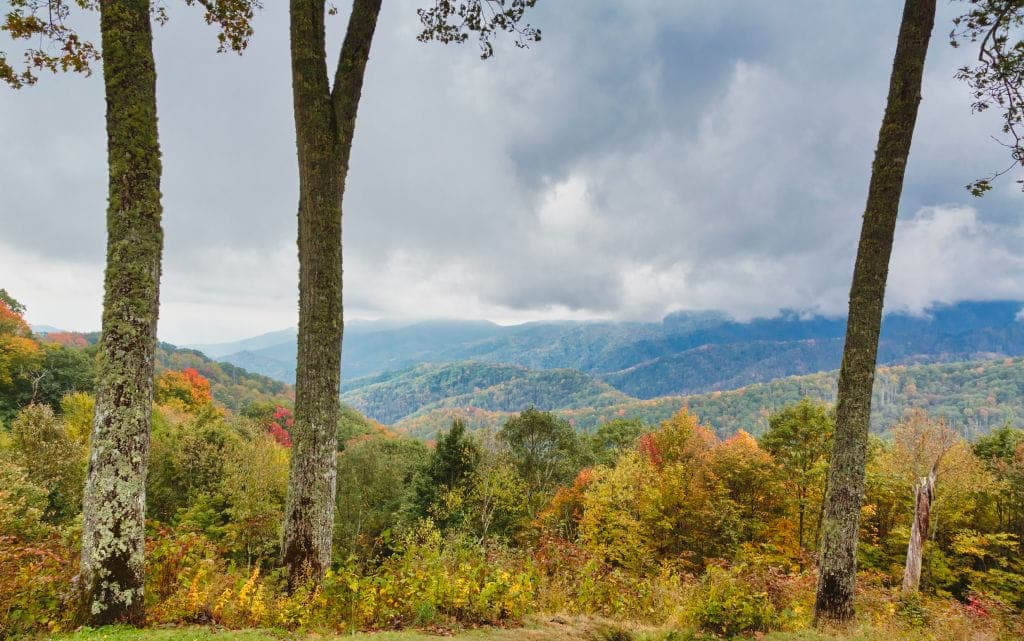
North Carolina is a state along the East Coast that is filled with beautiful beaches, breathtaking mountain views, and numerous landmarks that highlight its history. It is sometimes referred to as the “First in Flight” state because the Wright brothers successfully completed the first powered airplane flight in Kill Devil Hills. Cheerwine, a cherry-flavored soda beverage, is the state’s most beloved drink, and it is home to America’s largest privately owned home, the Biltmore Estate. There is much to learn about and even more to see in the beautiful state of North Carolina.
Pre-US History
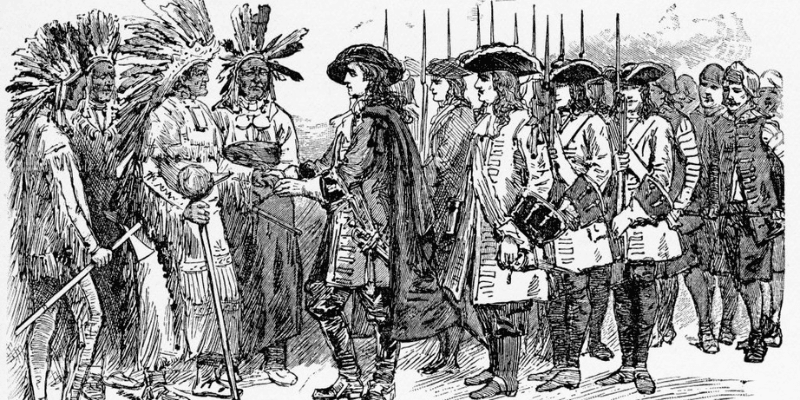
Before the American Revolution, North Carolina was home to several Native American tribes. Historians believe that people occupied the land at least 12,000 years ago. Around AD 700, people began building more permanent settlements and towns. In the mid-1600s, Europeans started settling in the area. Colonists enslaved indigenous people and seized their land, which was met with violence and hostility.
The consistent fighting eventually led to the Tuscarora War in 1711. Over the years, many of the Tuscarora people were killed or sold into slavery. Those who remained fled to the north and joined the Iroquois Confederation, a group of Native American nations that worked to maintain unity and peace.
North Carolina and the Revolutionary War
Like many of their fellow colonists, residents of North Carolina grew angry with England over unfair taxes and abuse of power as early as the 17th century. In an event known as Culpeper’s Rebellion, a group of 40 rebels imprisoned Thomas Miller, the state’s deputy governor. In 1677, the group seized control of the local government, and leader John Culpeper was arrested and tried for treason. He was ultimately acquitted of the crime and returned home to Albemarle County.
Continuing to buck the system, so to speak, North Carolinians began to revolt against British taxes. In 1769, the state signed the nonimportation agreement, which was a collective economic protest used by the colonists before the Revolutionary War.
The state was somewhat divided, as many remained in support of the British Crown. Those who didn’t, however, signed up to join the Continental Army under General George Washington, with 7,800 joining the army and another 10,000 serving in local militias. King’s Mountain, along the North and South Carolina border, was the location of a major war victory that gave the colonists the advantage. After America gained its independence, North Carolina became the 12th state to ratify the US Constitution on November 21, 1789.
The Civil War to Modern-Day
When the Civil War first broke out, it wasn’t immediately clear whether North Carolina would secede from the Union, as it was not as heavily dependent on slavery as other states. Eventually, the state did secede in 1861 and joined the Confederacy, sending about 130,000 men to fight on their behalf. Ultimately, 30,000 troops lost their lives, and the state surrendered in 1865. Slavery was abolished in the state on December 6, 1865, when North Carolina ratified the 13th Amendment.
After the war, North Carolina refused to sign the 14th Amendment, which was written to provide equal protection under the law to all enslaved people and other people born or naturalized in the United States. This refusal caused the state’s government to be dissolved, and the state was put under military rule from March 1867 to July 1868, when its legislature approved the 14th Amendment. North Carolina was then permitted back into the Union.
The 20th century saw a boom in the world of industry and the successful first powered airplane flight by the Wright brothers. The Great Depression was hard on the state, but President Franklin D. Roosevelt’s New Deal helped farmers, and following World War II, the state’s economy experienced major growth in major cities such as Charlotte and Raleigh, the state’s capital.
In more recent years, the state saw growth in population as well as the arrival of its first professional sports franchise, the Carolina Cougars of the American Basketball Association. Today, North Carolina’s main economic drivers are technology, pharmaceuticals, banking, and tourism. But flight remains a big part of the states’ industry as well. North Carolina is home to more than 300 aerospace manufacturers and suppliers. From agriculture to rebellion and on to technological innovation, the history of North Carolina is an ever-evolving story.
4 Questions
The story, in brief
Why is North Carolina called the First in Flight state?
North Carolina is called the First in Flight state because the Wright brothers completed the first powered airplane flight in Kill Devil Hills. Flight has remained important to the state ever since. Today, North Carolina is home to more than 300 aerospace manufacturers and suppliers.
What happened in North Carolina before the American Revolution?
Before the American Revolution, several Native American tribes lived in North Carolina, and historians believe people occupied the land at least 12,000 years ago. Around AD 700, people began building more permanent settlements and towns. In the mid-1600s, Europeans started settling there, leading to violence, land seizures, enslavement, and the Tuscarora War in 1711.
How did North Carolina contribute to the Revolutionary War?
North Carolina colonists protested British taxes and abuse of power for many years, including by signing the nonimportation agreement in 1769. During the Revolutionary War, 7,800 North Carolinians joined the Continental Army under General George Washington, and another 10,000 served in local militias. A major victory at King’s Mountain helped give the colonists an advantage.
What happened to North Carolina after the Civil War?
North Carolina surrendered in 1865, and slavery was abolished there on December 6, 1865, when the state ratified the 13th Amendment. The state then refused to sign the 14th Amendment, which led to its government being dissolved and military rule from March 1867 to July 1868. After the legislature approved the 14th Amendment, North Carolina was permitted back into the Union.

Kirsten Brooker
Culture Correspondent for Liberty Nation and Generation Liberty. Kirsten loves to write about culture from the point of view of an everyday American who lives deep in the heart of the Midwest. She is the mother of two adorable girls, likes classic rock, and humbly wears the crown of a former Homecoming Queen with grace and style.