
★ In this story 04
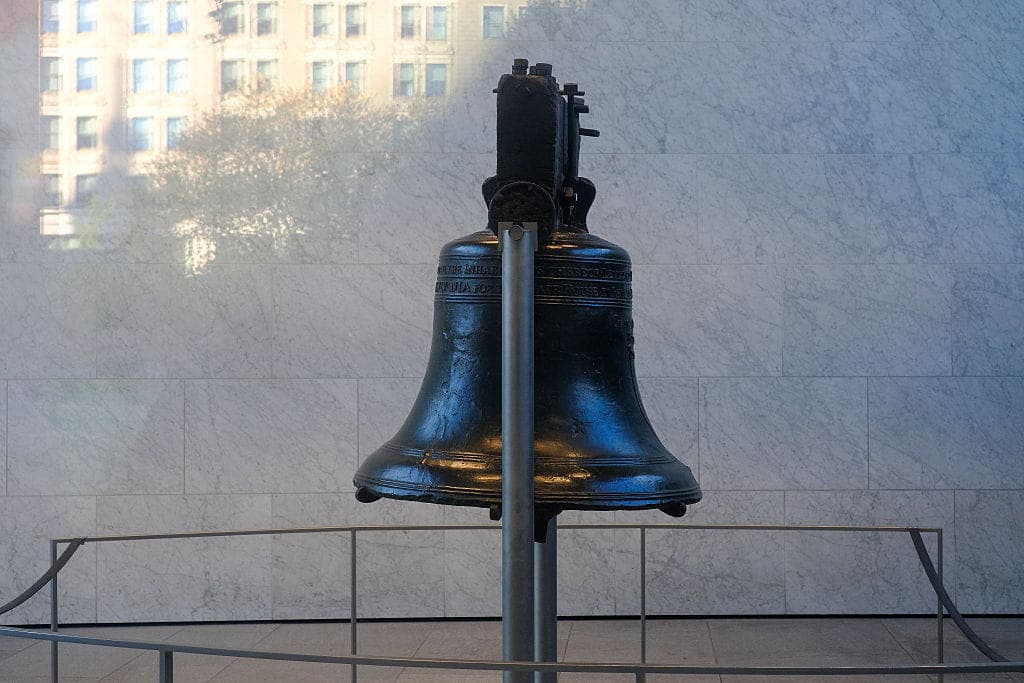
Who loves Hershey’s chocolate? How about Utz chips, Snyder’s of Hanover pretzels, or banana splits? If you answered yes to any of those questions, a trip to Pennsylvania would leave you greatly satisfied – but snacks are not the only thing the Keystone State has to offer. As the second state to join the Union, Pennsylvania is also rich in American history, is home to the Liberty Bell, and played a vital role in both the founding of the Union itself and the modern energy age.
Basic Information
· State Flower – Mountain laurel
· State Bird – Ruffed grouse
· State Tree – Eastern hemlock
· State Animal – White-tailed deer
· State Motto – Virtue, Liberty, and Independence
· State Nickname – The Keystone State
From Colony to Keystone of the American Revolution
When European settlers came to Pennsylvania, the area was already populated by indigenous tribes like the Lenape, Susquehannock, and Shawnee. Swedish and Dutch settlers arrived during the 17th century, and in 1681, William Penn established a Quaker colony after receiving a royal deed from King Charles II of England. Philadelphia became the colony’s first planned city and its largest settlement. As European settlement expanded, indigenous communities were driven from the region or suffered devastating population losses from diseases such as smallpox.
Pennsylvania became a center of resistance after Britain issued the Proclamation of 1763 and passed the Stamp Act. Philadelphia later hosted both the First and Second Continental Congresses. At Independence Hall, delegates established the Continental Army and appointed George Washington as its commander, placing the city at the center of the movement for American independence. Both the Declaration of Independence and the Constitution were signed in Philadelphia, and Pennsylvania became the second state to ratify the Constitution on December 12, 1787.
Industry and Innovation
Abundant coal and iron resources helped transform Pennsylvania into an industrial powerhouse throughout the 19th century. Coal was used to fuel factories, homes, and railroads, while steel mills in cities like Pittsburgh supplied materials needed for buildings, bridges, and transportation all across the nation. The expansion of the railroad network helped to connect mines and factories to distant markets, which encouraged the establishment of towns in major industrial areas.
Pennsylvania became a major player in the modern energy industry after the first successful commercial oil well was drilled in 1859 near Titusville. This helped to launch an industry that vastly changed transportation and manufacturing. Together, coal, steel, railroads, and oil improved the state’s economy and established Pennsylvania as a center of American innovation.
Pennsylvania Today
Pennsylvania is known for its pivotal role in American history, reflected in landmarks such as Independence Hall and the Liberty Bell, and the Civil War battle site at Gettysburg. The state is also famous for Hershey’s chocolate and beautiful landscapes such as the Appalachian and Poconos Mountains. The state is a legacy in steel and manufacturing businesses, agriculture, and oil production.
Today, the Keystone State is experiencing strong economic growth and is ranked as one of the safer states in which to live. This is encouraging news for its 13.06 million residents.
4 Questions
The story, in brief
Why is Pennsylvania called the birthplace of American liberty?
Pennsylvania played a central role in the founding of the United States. Philadelphia hosted the First and Second Continental Congresses, Independence Hall was where delegates established the Continental Army and appointed George Washington, and both the Declaration of Independence and the Constitution were signed there.
How did William Penn help found Pennsylvania?
In 1681, William Penn established a Quaker colony after receiving a royal deed from King Charles II of England. Philadelphia became the colony’s first planned city and its largest settlement. The area had already been home to indigenous tribes, including the Lenape, Susquehannock, and Shawnee.
How did Pennsylvania become an industrial and energy leader?
Pennsylvania’s abundant coal and iron helped make it an industrial powerhouse in the 19th century. Coal fueled factories, homes, and railroads, while steel mills in cities like Pittsburgh supplied materials across the nation. The first successful commercial oil well, drilled near Titusville in 1859, helped launch the modern energy industry.
What is Pennsylvania known for today?
Pennsylvania is known for historic landmarks such as Independence Hall, the Liberty Bell, and the Gettysburg battlefield. It is also famous for Hershey’s chocolate and mountain landscapes like the Appalachian and Poconos. The state remains tied to steel, manufacturing, agriculture, and oil production, and it is experiencing strong economic growth.

Kirsten Brooker
Culture Correspondent for Liberty Nation and Generation Liberty. Kirsten loves to write about culture from the point of view of an everyday American who lives deep in the heart of the Midwest. She is the mother of two adorable girls, likes classic rock, and humbly wears the crown of a former Homecoming Queen with grace and style.