
★ In this story 03
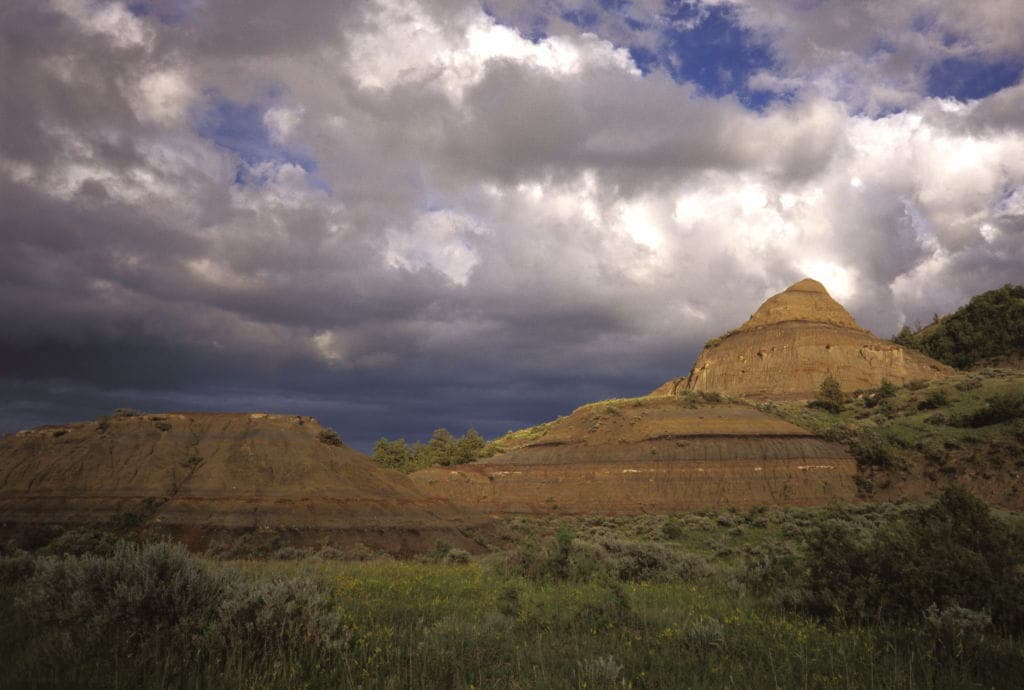
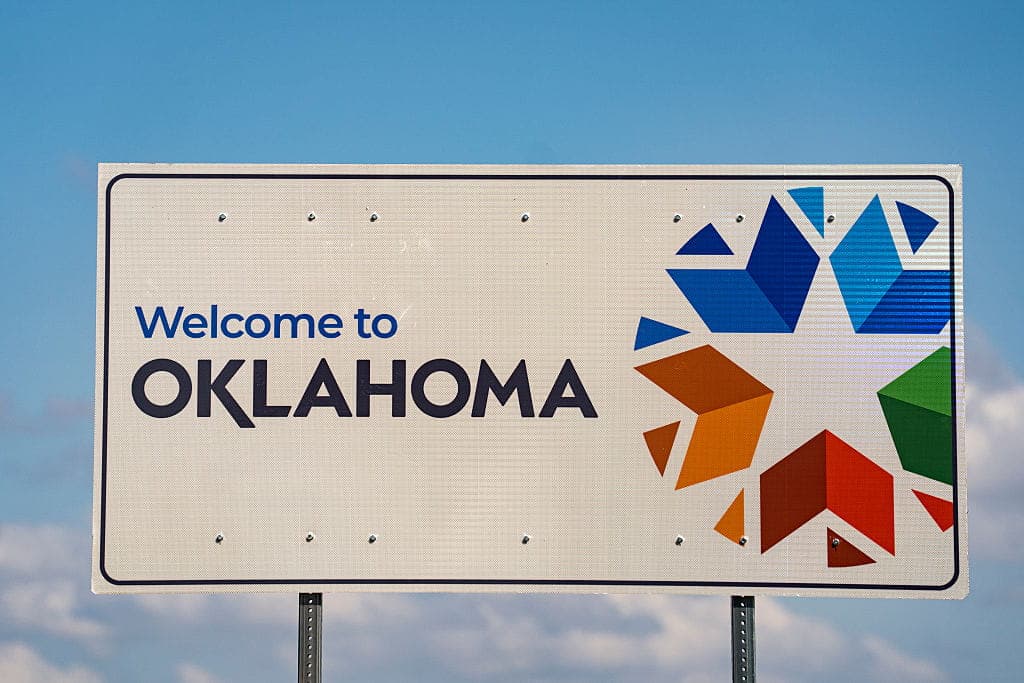
Imagine a place where ancient history echoes across red-dirt plains, thunderstorms can turn the sky electric, and inventions you use every day – from the shopping cart to aerosol cans – have surprising roots. Oklahoma is more than the nation’s 46th state; it is home to 39 federally recognized tribal nations, the birthplace of Academy Award-winning actor Brad Pitt, and it sits squarely in the heart of “Tornado Alley.”
A Short History Review
Oklahoma’s story stretches from ancient indigenous cultures to the 1800s, when the American government forced the Cherokee, Choctaw, Chickasaw, Muscogee (Creek), Seminole, and many other Native tribes into what was then called Indian Territory. In 1889, thousands of settlers raced to claim land during the first of several famous land runs, expanding the American population. Oklahoma became the 46th state in 1907. The discovery of oil later brought rapid growth again and new cities.
But the state also endured the 1921 Tulsa Race Massacre, one of the worst incidents of racial violence in US history. And then there was the Dust Bowl of the 1930s, when extreme drought and severe dust storms drove many families west. Through every decade, Oklahoma’s tribal nations and diverse communities have continued to preserve their rich culture and shape the state’s identity.
Weird Weather in Oklahoma
Oklahoma’s weather can feel like it is switching channels without warning. The state sits in the heart of “Tornado Alley,” which means a warm, sunny afternoon may give way to booming thunderstorms, giant hail, powerful winds, or even a tornado without much warning. Warm, humid air from the Gulf of Mexico often collides with cold, dry air from the north and hot, dry air from the Southwest, creating perfect conditions for dramatically changing storms. Due to a diverse climate, one part of Oklahoma can be soaked with rain while another faces severe drought, making dust storms and wildfires potential dangers. Scorching summers, sudden cold fronts, ice storms, and fast temperature swings keep Oklahoma residents and weather forecasters on their toes.
On May 3, 1999, weather equipment in Oklahoma clocked wind speeds at 318 miles per hour during an F5 tornado, which is the fastest ever recorded on Earth. It caused 36 fatalities and more than $1 billion worth of damage. The Dust Bowl occurred throughout the 1930s. The worst of it took place on April 14, 1935, when approximately three tons of topsoil blew away in one single day, a day given the nickname “Black Sunday.” Many locals, known as Okies, fled the area and have their experiences forever documented in John Steinbeck’s famous novel, The Grapes of Wrath.
Other Notable Facts
Oklahoma is also home to many clever creations. Sylvan Goldman, owner of the Humpty Dumpty supermarket chain in Oklahoma City (the state capital), invented the rolling supermarket shopping cart in 1936. The world’s first parking meters appeared there in 1935, and, in the same year, Bob Dunn, a resident of Beggs, Oklahoma, invented the world’s first electric guitar.
The Oklahoma Rose is the official state flower, while mistletoe remains the state floral emblem and the colorful Indian blanket is the state wildflower. The scissor-tailed flycatcher is the state bird, the American bison serves as the state animal and rose rock, reddish-colored crystals shaped like roses, is the state rock.
Garth Brooks, an acclaimed country music singer, was born in Tulsa, and the Five Moons, a group of five, world-famous Native American ballerinas, are also from the state. Oklahoma is a beautiful state full of unexpected history, nature, and innovation.
4 Questions
The story, in brief
Why does Oklahoma have deep Indigenous roots?
Oklahoma is home to 39 federally recognized tribal nations. Its history includes ancient indigenous cultures and the forced relocation of the Cherokee, Choctaw, Chickasaw, Muscogee (Creek), Seminole, and many other Native tribes to Indian Territory in the 1800s. Tribal nations and diverse communities have continued to preserve their culture and shape the state's identity.
How did Oklahoma become the 46th state?
In 1889, thousands of settlers raced to claim land during the first of several famous land runs, expanding the American population. Oklahoma later became the 46th state in 1907. The discovery of oil then brought rapid growth and new cities.
Why does Oklahoma have such extreme weather?
Oklahoma sits in the heart of Tornado Alley, where weather can change quickly. Warm, humid air from the Gulf of Mexico often collides with cold, dry air from the north and hot, dry air from the Southwest, creating powerful storms. Different parts of the state can also face heavy rain, drought, dust storms, wildfires, ice storms, and fast temperature swings.
What famous inventions and people are linked to Oklahoma?
Oklahoma is tied to several notable inventions and well-known people. Sylvan Goldman invented the rolling supermarket shopping cart in Oklahoma City in 1936, the world's first parking meters appeared there in 1935, and Bob Dunn of Beggs invented the world's first electric guitar that same year. Brad Pitt, Garth Brooks, and the Five Moons are also from the state.

Kirsten Brooker
Culture Correspondent for Liberty Nation and Generation Liberty. Kirsten loves to write about culture from the point of view of an everyday American who lives deep in the heart of the Midwest. She is the mother of two adorable girls, likes classic rock, and humbly wears the crown of a former Homecoming Queen with grace and style.