
★ In this story 03
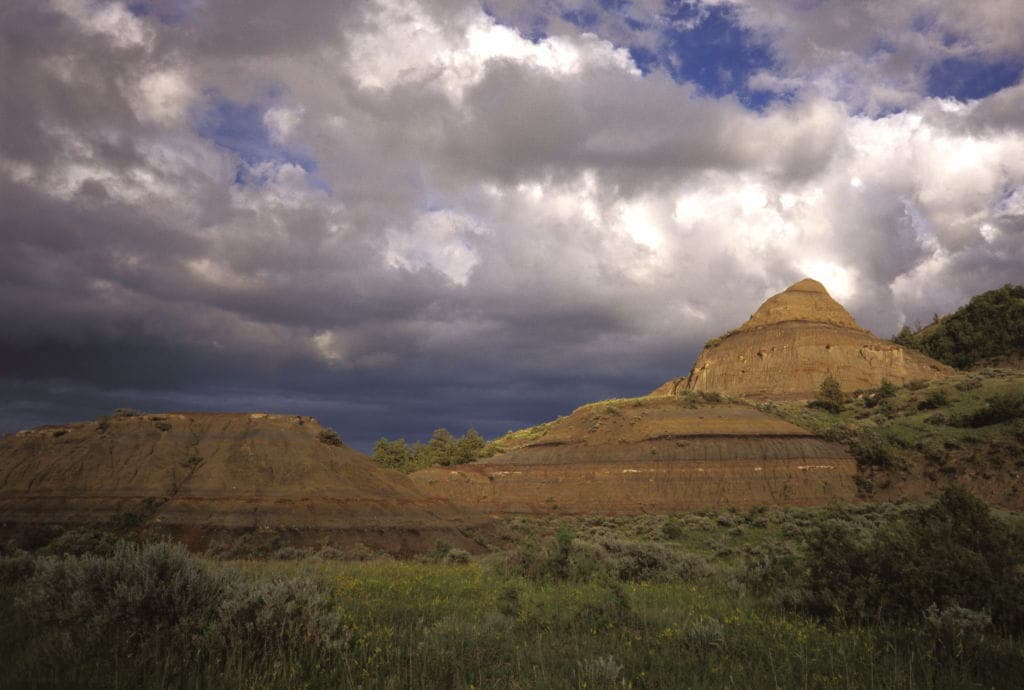
Calling all sports and nature lovers! North Dakota checks all the boxes for those who enjoy outdoor fun – both leisurely sports like golfing and fishing and more adventurous sports like skiing and snowboarding. It is home to 14 state parks with landscapes ranging from the rugged Badlands to forested valleys and grassy plains, as well as diverse wildlife. Years ago, Native Americans thrived on North Dakota land, and their cultures and traditions are still alive and well today. It was the 39th state to join the Union on November 2, 1889, and it remains one of the least populated states in the country.
The Early Years
Several thousand years ago, North Dakota was first settled by Native Americans. The first Europeans to visit the area were impressed by the natives and began trading with them for food and supplies. The Mandan tribes, located in the northern part of the state near the Missouri River, played a large role in trading networks.
Throughout the 19th century, the Dakota Territory saw a rapid increase in population and business development. The Homestead Act of 1862, signed by President Abraham Lincoln, allowed settlers to claim large parcels of land for a small fee in exchange for caring for and improving their plots for at least five years. This expanded opportunities for property ownership and encouraged economic and demographic growth.
Growth and Change in the 19th and 20th Centuries
By the late 19th century, the completion of the Northern Pacific Railroad transformed the area from an isolated frontier into a center of settlement, farming, and commerce. Thanks to the Homestead Act and the installation of the railroad, North Dakota saw what is now called the Dakota Boom, a sudden burst in population size from under 12,000 residents in 1870 to over 328,000 by 1890. Near the end of this century, North Dakota became the 39th state to join the Union.
At the beginning of the 20th century, agriculture and industry still ran the show, and the Great Depression hit the state hard. Farmers faced crop failure and therefore financial difficulties. Later, in 1941, the state experienced a major winter storm. The “Great Blizzard” killed dozens of people in North Dakota and its border state, Minnesota. North Dakota is still known today for its unpredictable weather and its vulnerability to extreme events like tornadoes, snowstorms, and severe droughts.
The highlight for North Dakota in the 21st century was the Bakken shale oil boom. Hydraulic fracturing, also known as fracking, exposed underground oil reserves. Those reserves converted the state into a major energy producer for the US and created thousands of jobs, as well as boosting state tax revenue and gaining national attention. The downside centered around environmental concerns and cultural preservation, as many saw the pipelines as dangerous and invasive. The Standing Rock Sioux Tribe opposed the Dakota Access Pipeline (DAPL) and became a national symbol for indigenous rights and environmental justice. Today, the state remains a leader in US oil production, and residents work hard to blend its rural roots with the new energy-rich economy.
Interesting Things About North Dakota
North Dakotans pride themselves on their cultural roots. Native Americans have inhabited the state for thousands of years, and many communities continue to honor their ancestors and traditions today. Native American cultural expressions exist in the forms of food, music, beadwork, pottery, dances, and special festivals and powwows.
The state flower is the Wild Prairie Rose, and the Western Meadowlark holds the title of state bird. Its nickname, the Peace Garden State, originates from the International Peace Garden, a park located at the border of North Dakota and Manitoba, Canada. Established in 1932, the garden is a symbol of a commitment to peace and friendship between the two nations. Visitors, whether from the US or Canada, are free to roam throughout the park's walking trails and flower gardens, as well as visit the floral clock and several monuments that are dedicated to peace.
4 Questions
The story, in brief
Why is North Dakota called the Peace Garden State?
North Dakota's nickname comes from the International Peace Garden on the border of North Dakota and Manitoba, Canada. Established in 1932, the garden symbolizes peace and friendship between the United States and Canada. Visitors can explore walking trails, flower gardens, a floral clock, and monuments dedicated to peace.
How did the Homestead Act and railroad change North Dakota?
The Homestead Act of 1862 let settlers claim large parcels of land for a small fee if they improved the land for at least five years. Later, the Northern Pacific Railroad helped transform the area from an isolated frontier into a center of settlement, farming, and commerce. Together, they fueled the Dakota Boom and rapid population growth.
What was the Bakken shale oil boom in North Dakota?
In the 21st century, hydraulic fracturing, or fracking, exposed underground oil reserves in the Bakken shale. That turned North Dakota into a major energy producer for the United States, created thousands of jobs, boosted tax revenue, and drew national attention. It also sparked environmental and cultural concerns over pipelines.
How do Native American cultures remain important in North Dakota today?
Native Americans first settled North Dakota several thousand years ago, and many communities still honor their ancestors and traditions. Their cultural expressions continue through food, music, beadwork, pottery, dances, festivals, and powwows. The Standing Rock Sioux Tribe also became a national symbol for indigenous rights and environmental justice through its opposition to the Dakota Access Pipeline.

Kirsten Brooker
Culture Correspondent for Liberty Nation and Generation Liberty. Kirsten loves to write about culture from the point of view of an everyday American who lives deep in the heart of the Midwest. She is the mother of two adorable girls, likes classic rock, and humbly wears the crown of a former Homecoming Queen with grace and style.