★ In this story 03
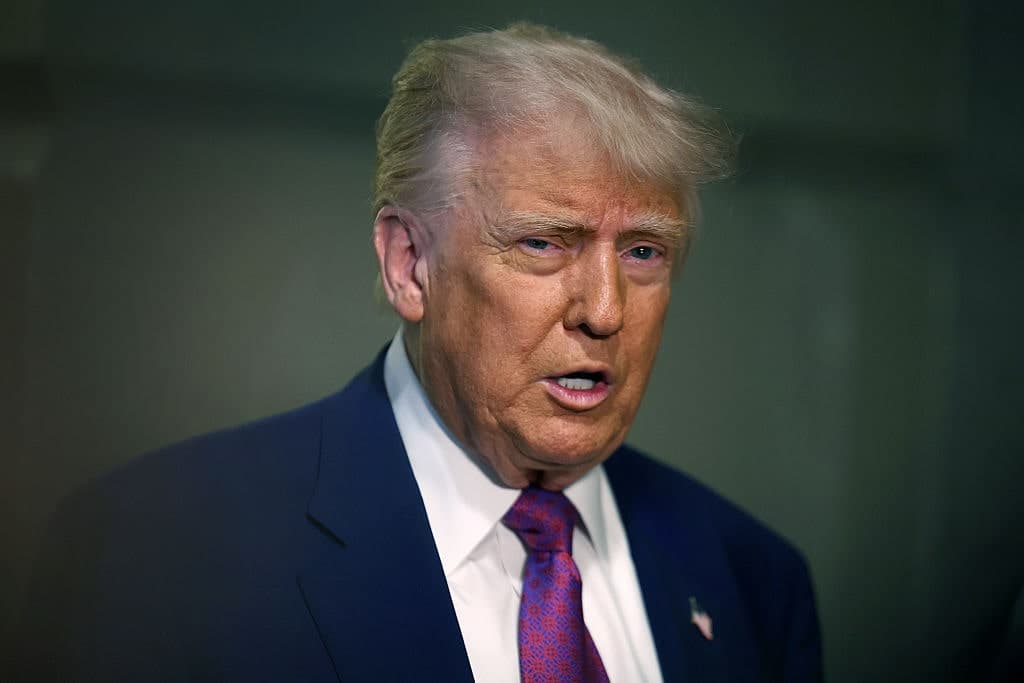
President Donald Trump signed the Take It Down Act on Monday (May 19), promising to punish those who exploit children online. His wife Melania introduced him at the Rose Garden signing, as the First Lady had also adopted this bill as her own project. The audience included innumerable members of Congress as the bill passed through both houses with only two nays. The bipartisan celebration cautions others who see the law criminalizing speech and violating the First Amendment.
Mrs. Trump’s remarks at the event’s outset were brief and touted the protection of children online. She said they “can feel better protected from their image or identity being abused through non-consensual intimate imagery or NCII.”
The Good
The law applies criminal penalties to those who post “intimate visual depictions” of others without their consent. For example, a former boyfriend posts photos or videos taken with permission but not with approval to be shared on publicly available websites. Also, and more damaging, are photos of minors that may be shared widely and remain online for eternity.
The Bad
There are quite a few bad aspects to the law, but prohibiting similar postings and hosting artificial intelligence-generated NCII is much more troublesome. The internet is full of inappropriate imagery generated by AI. The producers and those who run sites that host them may be put in federal prison for years.
The Ugly – Take It Down Act
TAKE IT DOWN is an acronym for Tools to Address Known Exploitation by Immobilizing Technological Deepfakes on Websites and Networks Act. Perhaps the worst part of the new law is the provision requiring sites to remove flagged photos and videos within 48 hours. As Jason Kelly with the Electronic Freedom Foundation wrote:
“Services will rely on automated filters, which are infamously blunt tools. They frequently flag legal content, from fair-use commentary to news reporting. The law’s tight time frame requires that apps and websites remove speech within 48 hours, rarely enough time to verify whether the speech is actually illegal. As a result, online service providers, particularly smaller ones, will likely choose to avoid the onerous legal risk by simply depublishing the speech rather than even attempting to verify it.”
Another failure point is that there is no provision to punish those who use the law to censor. False claims designed to prevent material legally allowed under the law will likely abound, with no accountability for the malignant actors.
Will the new legislation survive court challenges to come? It is unlikely. The rules about images of minors are the most likely to remain. Challenges will surely come with the first prosecution, if not before.