
★ In this story 03
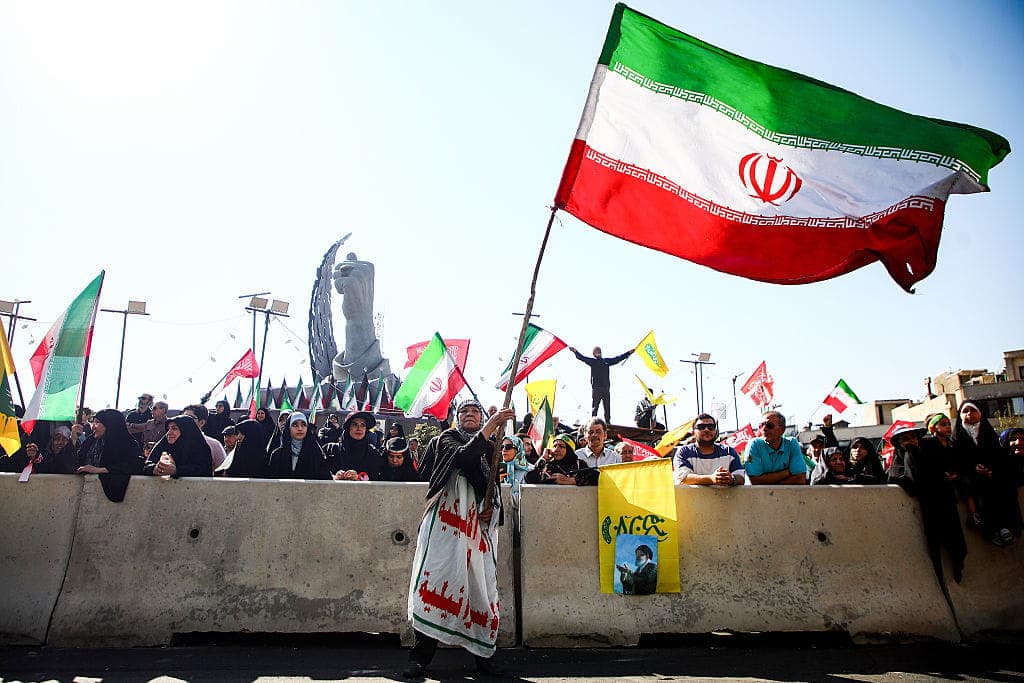
The latest development in the US-Iran conflict is that Tehran has offered a seven-day plan for peace. It was a much-compressed version of the 14-point plan outlined in June, which fell apart when Iran attacked shipping in the Strait of Hormuz. Iran has persisted in launching drones and missiles at oil tankers and cargo vessels, which prompted US air attacks on Iranian radar installations, command and control facilities, as well as drone and anti-ship missile launching sites. Now, Iran wants to negotiate, and President Donald Trump is having none of it.
Previous Iran Agreement Failed
President Trump rejected the new offer. The earlier June memorandum, according to the Associated Press, established that the United States would implement a 30-day phase-out of the US naval blockade; that Iran would allow a toll-free passage for shipping through the Hormuz Strait for 60 days; and that there would be an immediate end to military operations, to include hostilities between Lebanon and Israel. It included a $300 billion reconstruction plan funded by regional neighbors. For its part, Iran would not develop nuclear weapons and would discuss diluting its current stockpile of enriched, near-weapons-grade uranium. The UN International Atomic Energy Agency would conduct inspections to ensure Iran complied with the June agreement.
As Iran continued to launch missiles and drones at Hormuz shipping, the United States intensified its airstrikes on key targets in Iran. In mid-July, Trump declared the June agreement “over.”

Iran’s latest unsatisfactory deal had called for all hostilities, including those between Israel and Lebanon, to cease within seven days. In exchange, the United States would release approximately $12 billion in frozen assets, eliminate existing sanctions on Iranian oil, and stop the naval blockade. After seven days, Iran would reopen the Strait of Hormuz and then begin detailed nuclear talks. Basically, the roadmap provides for US economic concessions, while Iran promises to discuss nuclear issues. If history has provided any lessons, giving ground first and hoping that Iran negotiates in good faith has proven a futile gesture.
Recent Plan Has Major Flaws
The Iranian plan had two major stumbling blocks. First, including the Israel-Lebanon conflict in the deal adds a twist the United States cannot control. Israel will pursue the defense of its sovereignty regardless of what conversations the White House and Iran have. Second, the United States must release frozen assets, halt the naval blockade, and eliminate the economic sanctions before Iran enters into nuclear talks. That should be a non-starter.
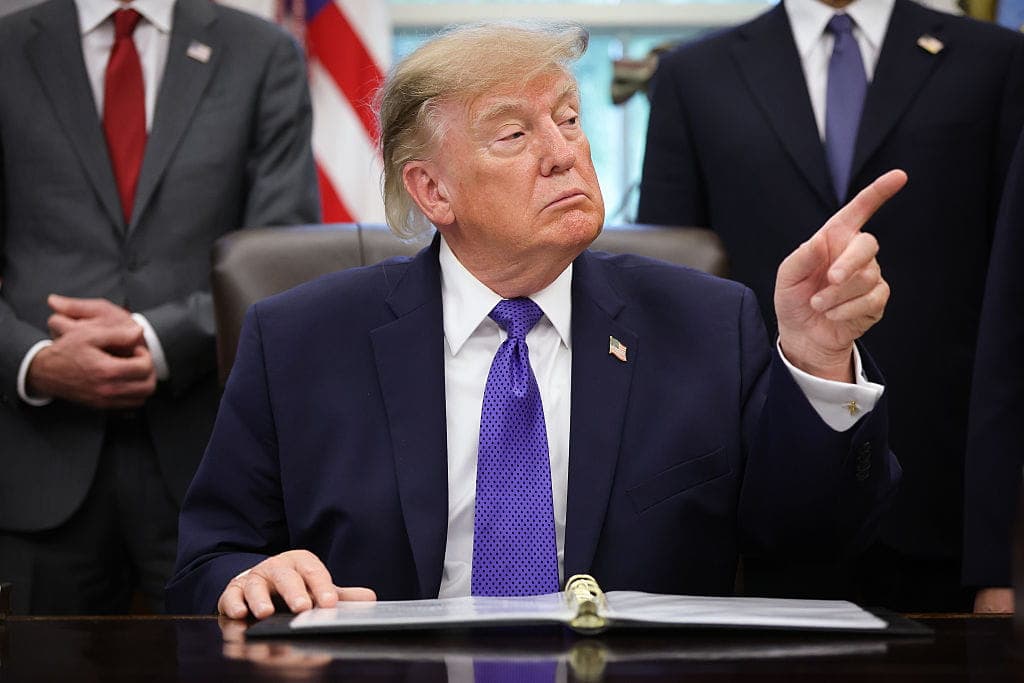
As Trump was preparing to board the presidential helicopter on Sept. 26, he provided the press some of his thinking:
“I reject their proposal. They made a proposal, but I’ve rejected it. I’m rejecting their deal. They want to make a deal where they open the strait immediately because they’re losing so badly. You know, you don’t read that or you don’t see that in the fake news. We’re winning tremendously. We have total control of the Hormuz Strait. Massive amounts of oil are coming out of the Hormuz Strait. Last night we had 29 ships come out. Uh, they want to make a deal and I think that’s fine. I like making a deal too. But uh I’m not, that deal would not be acceptable.”
Trump Clarifies Rejecting the Plan
The US chief executive went on to make the point that by attempting to close the Hormuz Strait, Iran “outfoxed themselves.” Trump said, “They don’t have any money now because they want to close the strait and I said, ‘Fine. We’re going to close it on you, but everybody else is able to use it.’”
However, there is some benefit in keeping the lines of conversation open. At present, low-level discussions are underway with Qatar as an intermediary. When asked by Fox News if more airstrikes on Iran are in the future, Trump answered, “I don’t want to say that … I mean, it’s possible.” However, the US side maintains that talks will continue.
~
The views expressed are those of the author and not of any other affiliate.
4 Questions
The story, in brief
What peace plan did Iran offer in the US-Iran conflict?
Tehran offered a seven-day plan for peace, a compressed version of a 14-point proposal from June. The plan called for all hostilities, including fighting between Israel and Lebanon, to stop within seven days. After that, Iran would reopen the Strait of Hormuz and begin detailed nuclear talks.
Why did President Donald Trump reject Iran's seven-day proposal?
Trump said the proposal was not acceptable and rejected it before boarding the presidential helicopter on Sept. 26. The plan required the United States to release about $12 billion in frozen assets, lift sanctions on Iranian oil, and stop the naval blockade before Iran entered nuclear talks. He also said the United States has total control of the Hormuz Strait and that Iran is losing badly.
How did the earlier June US-Iran agreement fall apart?
The June memorandum outlined a phased US naval blockade rollback, toll-free passage through the Strait of Hormuz, an end to military operations, and nuclear inspections by the UN International Atomic Energy Agency. It fell apart after Iran attacked shipping in the strait and kept launching drones and missiles at oil tankers and cargo vessels. In response, the United States intensified airstrikes on Iranian radar, command and control facilities, and missile and drone launch sites.
What happens next in US-Iran talks over the Strait of Hormuz?
Low-level discussions are underway with Qatar acting as an intermediary, and the US side says talks will continue. Trump said he likes making a deal, but not the one Iran proposed. Asked whether more airstrikes could happen, he said it is possible but did not want to say more.

Dave Patterson
National Security Correspondent at LibertyNation.Com and Generation Liberty, Dave is a retired U.S. Air Force Pilot with over 180 combat missions in Vietnam. He is the former Principal Deputy Under Secretary of Defense, Comptroller and has served in executive positions in the private sector aerospace and defense industry. Dave’s articles have appeared in The Federalist and DefenseOne.com.