
★ In this story 02
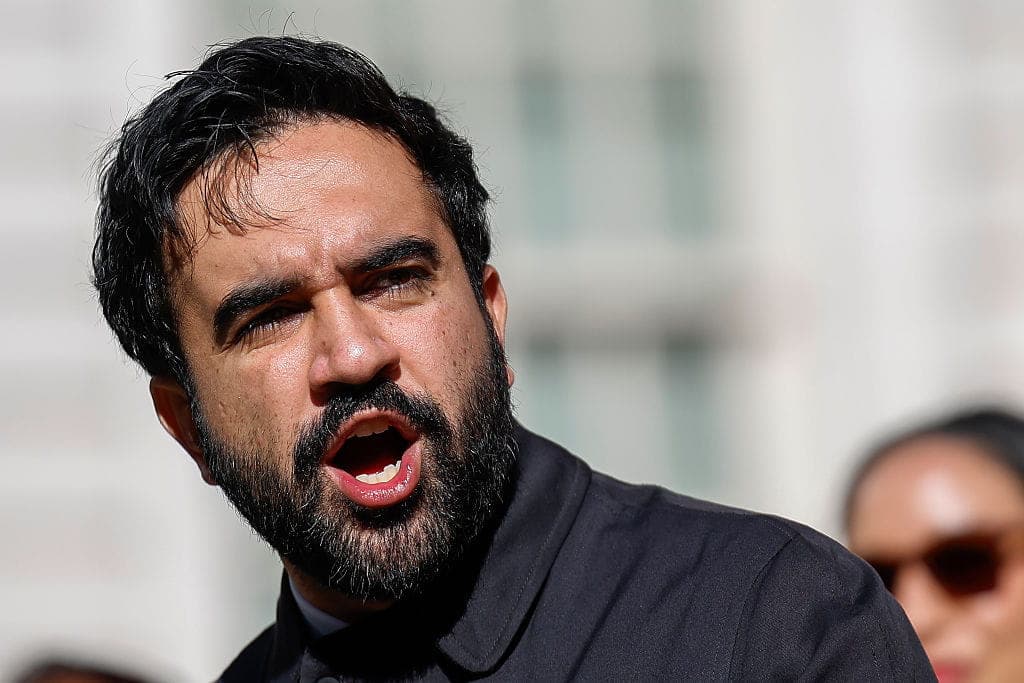
Since Zohran Mamdani's election as mayor of New York, socialism is experiencing something of a renaissance in the United States. So-called democratic socialists are on a number of ballots in the midterm elections – to what end we have yet to see. It seems the promise of lower housing and food costs, along with many other goodies, has lured young people away from the mainstream parties.
Here at Liberty Nation News, it seemed the time was right for a reality check, and we thought the best way to illuminate this form of government was to speak with someone who lived under socialism. What follows is the first of a five-part report on socialism in Venezuela from the perfect person for the job.
Pedro Burelli, who was born in Venezuela, was a former board member of Petróleos de Venezuela, S.A. He is recognized as a leading voice for liberty and justice across Latin America and Europe.
Socialism: The Interview
Leesa K. Donner: Pedro, thank you for joining me today. So I'm wondering, you know socialism up close and personal, how would you describe the initial reaction of the Venezuelan people to socialism?
Pedro Burelli: At the beginning, it's always fun, okay? It's always great. You're getting stuff, you're getting stuff cheaply, you're getting stuff for free. It's a dream. The state has given me an equal chance and whatever. Nobody sits behind the machine to know what is going on. Nobody understands the quality of decision-making because decisions are not made by you as an individual, they're made by the state. The state believes that it’s really better than anybody in making decisions for the common good of society. But in reality, the real problem – it happened in Venezuela, it happened in the Soviet Union, it happened in Sweden, it's happened everywhere where socialism has been applied – is that those bureaucrats behind a desk become quite incompetent in decision-making.
The goods that they deliver are not as cheap as they thought, so they're losing money in delivering them. They're not the quality that you expect. They're not distributed in the way that you expect. Suddenly people start rumbling and getting upset, and there's frustration. Then that's when socialism gets nasty because when the people begin to rebel, Leesa, coercion and force begin to be part of the situation.
LKD: So what I’m getting from you is that everything is great to begin with under socialism. But then the worm starts to turn.
PB: What happened in Venezuela is that the state started spending beyond its means, trying to create this boom, an artificial boom, run by the state. Oil prices dropped. Suddenly, the state couldn't deliver it. People got very upset, and the whole makeup of this state-run country collapsed. That anger led to massive protests. Then at the end people saw, oh my God, this is a terrible system. But out came Hugo Chávez selling even a better story. I can deliver something better. I can give you everything that's good. Vote for me. Literally, people began to see this guy as a solution, and his solution was nothing but adopting the Fidel Castro communist mode.
Taking even more control of individuals' decisions, deciding who should produce, what they should produce, and what prices – that led to what happened. Again, coercion. If you, as a producer, Leesa, do not want to produce or cannot produce at the price that the government wants you to produce, it takes you over. It started taking over the private sector.
The Plot Thickens
In Part 2 of this Liberty Nation News Special Report: Socialism: A Living Hell, all those goodies that came around at first are drying up. Socialism is delivering long lines and empty food shelves. The quality of life for the average person is rapidly sinking, and the Venezuelan people find themselves in a bind.
~
Take a sneak peek at the video series that accompanies this report.
4 Questions
The story, in brief
Who is Pedro Burelli, and why is he interviewed about socialism in Venezuela?
Pedro Burelli was born in Venezuela and was a former board member of Petróleos de Venezuela, S.A. He is described as a leading voice for liberty and justice across Latin America and Europe. He is interviewed because he lived under socialism and speaks from firsthand experience.
How did Venezuelans first react to socialism, according to Pedro Burelli?
Pedro Burelli says the beginning of socialism feels attractive because people receive goods cheaply or for free. He describes it as a dream in which the state seems to offer everyone an equal chance. At first, many people do not see how state decisions are being made or the problems building behind the scenes.
Why did socialism in Venezuela turn from promises into coercion and collapse?
Burelli says the state spent beyond its means to create an artificial boom, and then oil prices dropped. Once the state could no longer deliver what it had promised, people grew angry and the state-run system collapsed. As protests grew, coercion and force became part of the response.
What happens next in the Socialism: A Living Hell series?
Part 2 will focus on what happened after the early promises faded in Venezuela. It says the initial goodies are drying up, while socialism is bringing long lines and empty food shelves. It also says the average person's quality of life is rapidly sinking, leaving Venezuelans in a bind.
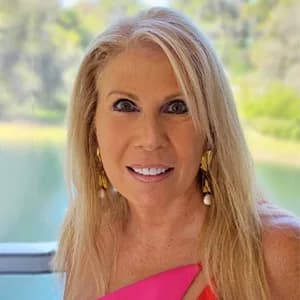
Leesa K. Donner
Leesa K. Donner is executive editor of LibertyNation.com and Generation Liberty. A widely published columnist, Leesa previously worked in the broadcast news industry as a television news anchor, reporter, and producer at NBC, CBS and Fox affiliates in Charlotte, Pittsburgh, and Washington, DC. She is the author of “Free At Last: A Life-Changing Journey through the Gospel of Luke.”