

★ In this story 02
A growing number of nations around the world have issued emergency preparedness guidance in recent weeks, triggering widespread discussions about “prepping,” the practice of stockpiling food, water, and other supplies for emergencies.
The UK launched its new “Be Ready” campaign, which encourages Brits to have three days’ worth of supplies to use during emergencies “from severe weather to cyber attacks.” The Japanese government similarly urged the public to store provisions for an emergency lasting anywhere from three days to one week. Ireland sent a crisis preparedness booklet to millions of households as part of its new “Be Emergency Ready” campaign.
The United States hasn’t issued new disaster guidance to the American public since the Department of Homeland Security launched its “Ready” preparedness campaign in 2003. But the Pentagon has announced a new plan called FORTRESS America. The initiative calls for major US military bases to become self-sufficient, able to operate without outside support for at least 90 days.
While it’s unclear what’s behind the sudden worldwide calls for emergency preparedness, do people really need a specific reason to plan for the unexpected?
Prepping: An American Tradition
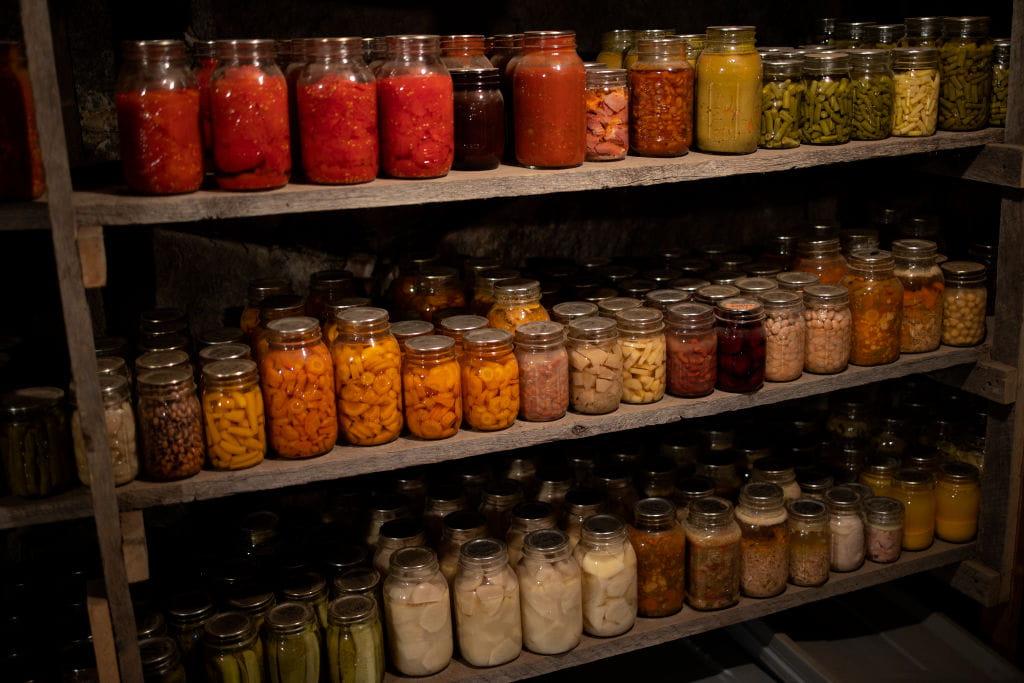
What modern Americans call prepping, earlier generations just called “life.” Americans, especially those who lived in areas with harsh winters, knew they had to be ready for months of cold weather and limited resources. They stored food in root cellars, preserved fruits and vegetables, stocked up on firewood, and made sure they had enough supplies to last until spring. For generations, Americans understood that prepping was simply about taking responsibility for oneself and one’s family and not fear.
Early Americans relied on traditional methods of food preservation, including drying, salting, and fermenting. In the early 1800s, a new method was introduced that used heat to keep food from spoiling in glass containers secured by wire and sealed with wax. Around the same time, an Englishman named Peter Durand developed a way to safely store food in tin cans. In the mid-19th century, John Mason invented what would become a popular glass jar with a screw-on lid. The Ball brothers later entered the business of food preservation with their own glass jars. Despite these advances, fewer and fewer Americans grew and preserved their own food over the decades, although the practice has recently seen a resurgence.
The reality is that modern life offers conveniences that even the wealthiest Americans of generations past could hardly have imagined. Grocery stores are always stocked with a wide variety of out-of-season foods and endless necessities. Most towns have multiple stores, so if one doesn’t have what a shopper needs, chances are another will. Fast food offers meals in minutes — though some critics call it unhealthy. Companies such as Amazon and DoorDash take modern amenities to the next level, delivering exactly what a consumer needs right to his or her door.
Why This Matters
All of this abundance has made the centuries-long tradition of food preservation and supply storage appear antiquated. The modern practice of prepping feels like a fear-driven step backward. But the true setback was when Americans — and people around the world — stopped preparing for the long winters of life in the first place. One of the most iconic aspects of American culture in particular is self-reliance, and modern prepping is simply a return to that tradition.
4 Questions
The story, in brief
Why are more countries telling people to prepare emergency supplies?
A growing number of nations have issued emergency preparedness guidance in recent weeks, prompting wider discussion about prepping. The reason for the sudden worldwide calls is unclear, but the guidance focuses on being ready for emergencies such as severe weather, cyber attacks, and other disruptions.
What emergency supply advice did the UK, Japan, and Ireland give people?
The UK launched its Be Ready campaign and encouraged people to keep three days' worth of supplies for emergencies. Japan urged the public to store provisions for emergencies lasting from three days to one week. Ireland sent a crisis preparedness booklet to millions of households through its Be Emergency Ready campaign.
What is FORTRESS America and what would it require of US bases?
FORTRESS America is a new Pentagon plan aimed at making major US military bases self-sufficient. Under the initiative, those bases would need to operate without outside support for at least 90 days. The United States has not issued new disaster guidance to the general public since the Ready campaign began in 2003.
Why does the article say food prepping is an American tradition?
Earlier generations of Americans, especially in places with harsh winters, regularly stored food, preserved produce, and stocked firewood to make it through long periods with limited resources. The practice was seen as responsibility, not fear. Modern prepping is described as a return to the American tradition of self-reliance.