
★ In this story 02
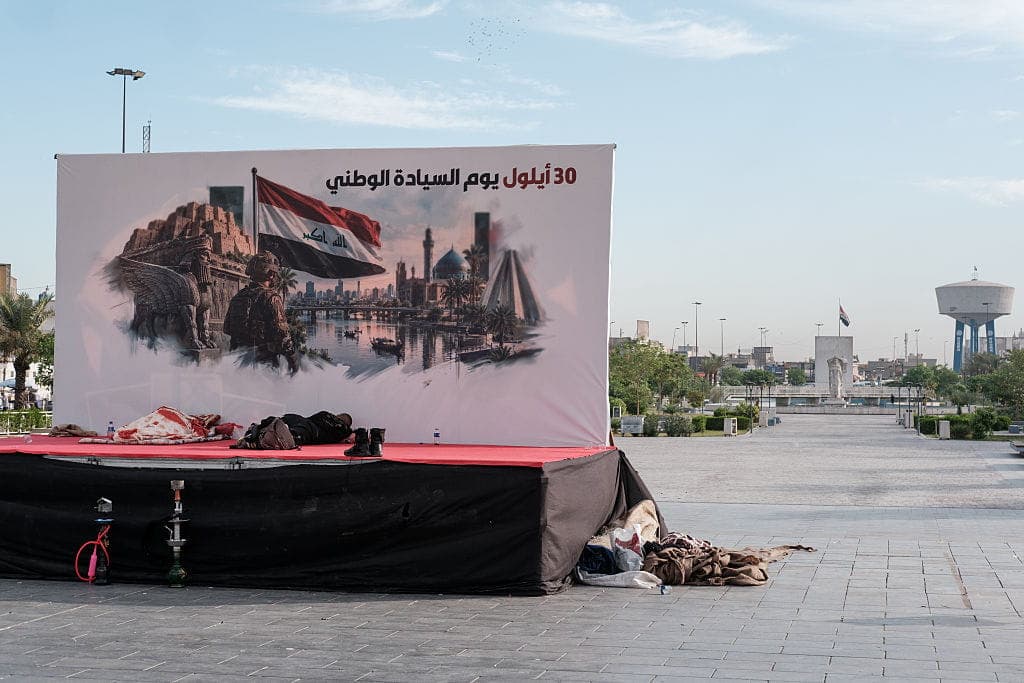
On September 30, the last of America’s combat troops and equipment left Iraq in an orderly and professional fashion. Operation Inherent Resolve was over, and for the US combat mission, it was “goodbye Iraq.”
On March 19, 2003, President George W. Bush announced from the Oval Office that “at this hour American and coalition forces are in the early stages of military operations to disarm Iraq, to free its people and to defend the world from grave danger. On my orders, coalition forces have begun striking selected targets of military importance to undermine Saddam Hussein’s ability to wage war.” From that moment until September 30, 2026, the United States armed forces had some level of military presence.
US Forces Return to Iraq
Most US troops left Iraq in 2011. However, when it became clear in 2014 that the Iraqi military could not defend itself after the Islamic State of Iraq and Syria (ISIS) seized the city of Mosul, US forces were again deployed to Iraq in Operation Inherent Resolve. President Trump took office in 2017 and made dealing with ISIS a priority. US and Iraqi troops defeated the ISIS invaders and secured Mosul and the surrounding countryside. For several years, a small contingent of about 2,500 US troops secured forward operating bases, with Erbil as the central hub of security operations. A significant number of those forces left Iraq in 2025, with the last of American military members leaving from the Kurdish northern province just days ago.
The lack of a substantial US military presence opened the door to ISIS. In June 2014, ISIS seized Mosul and declared a caliphate stretching into Syria. President Obama ordered a series of airstrikes and authorized a re-establishment of an advisory presence. Iraqi forces, Kurdish Peshmerga, and the US-led coalition retook Mosul in July 2017, ending most of the significant hostilities.
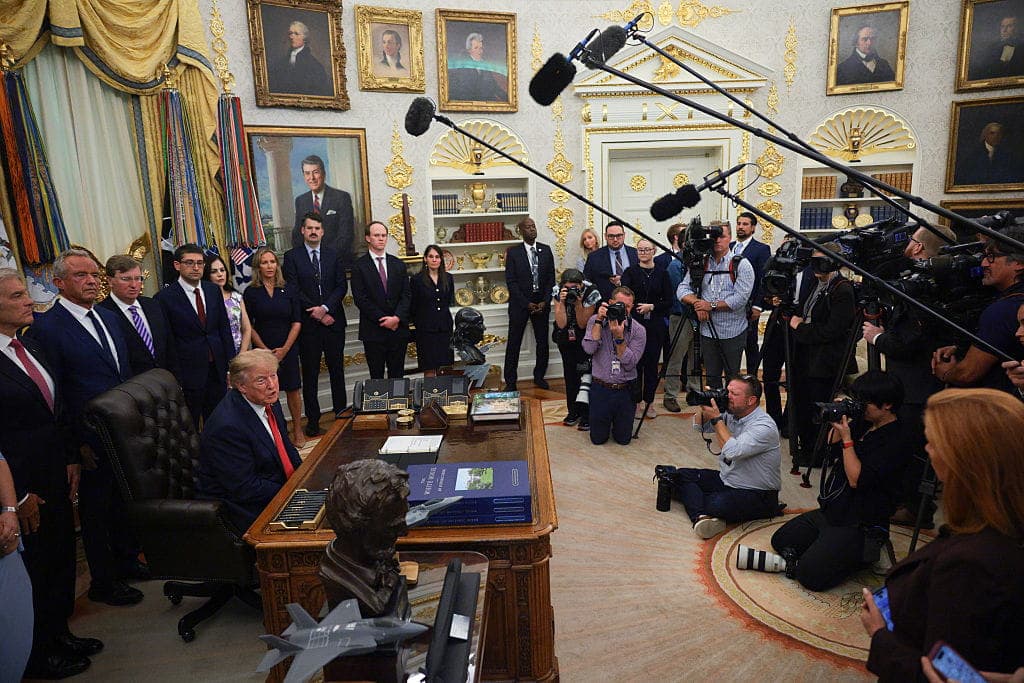
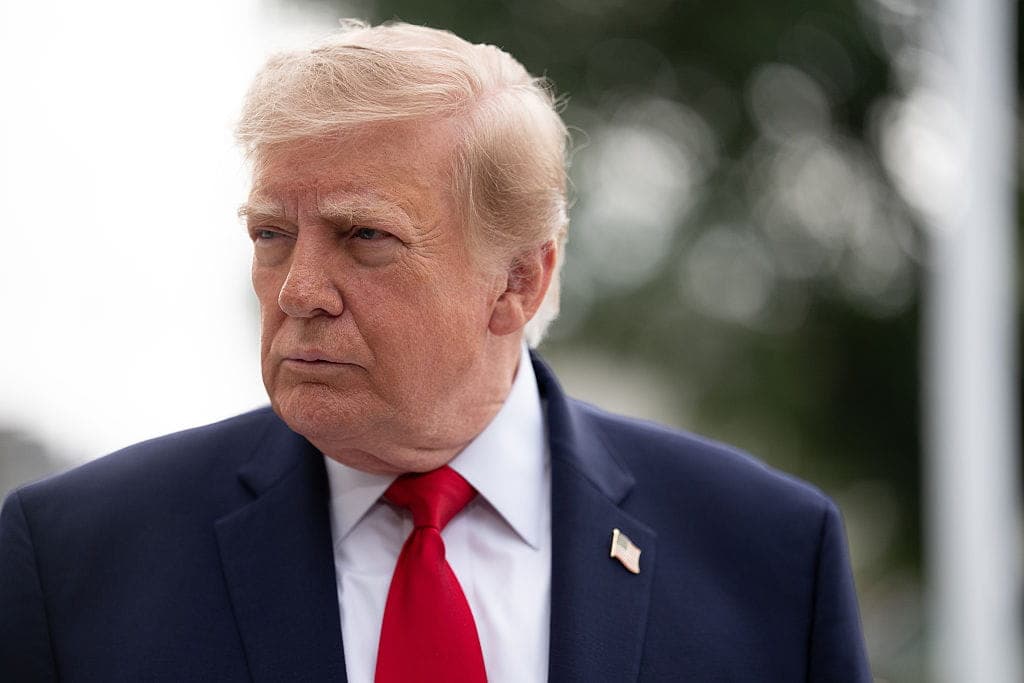
Now the relationship is more of a traditional bilateral one that does not include US troops. During a visit to the White House by Iraqi Prime Minister Ali al-Zaidi, President Trump and the Iraqi PM addressed the press. Trump, standing with al-Zaidi, explained: “We don’t think we need the military there anymore. The relationship is a whole big relationship where we don’t need the military. We’re there to help them. We’re there to protect them if need be. But we don’t think that’s going to be necessary,” the Associated Press reported.
Why It Matters
So, what will happen without American troops in Iraq? It probably depends on how stable the al-Zaidi government is. Iran and its influence on Iraqi militias could be a factor. One of the features of a US-Iraq 2024 agreement was that all the militias would put down their arms by September 30. That has not happened. Still, the focus of the US in Iraq is going to be more conventional bilateral financing, arms sales, liaison officers, and military exercises. Al-Zaidi captured a possible future for Iraq when he echoed President Trump’s statement, adding: “US forces will be out of Iraq, while US companies will be inside Iraq.” So, perhaps it’s not totally goodbye to Iraq after all.
~
The views expressed are those of the author and not of any other affiliate.
4 Questions
The story, in brief
When did the last US combat troops leave Iraq?
The last of America's combat troops and equipment left Iraq on September 30. That ended Operation Inherent Resolve and closed the US combat mission in Iraq after years of military presence.
Why did US forces return to Iraq in 2014?
US forces returned after it became clear in 2014 that the Iraqi military could not defend itself when ISIS seized Mosul. President Obama then ordered airstrikes and authorized a renewed advisory presence in Iraq.
How did the United States and Iraq defeat ISIS in Mosul?
US and Iraqi troops, along with Kurdish Peshmerga and the US-led coalition, fought to retake Mosul and the surrounding countryside. They secured Mosul in July 2017, which ended most of the significant hostilities tied to ISIS there.
What happens next in Iraq after US troops leave?
The US-Iraq relationship is expected to continue without American troops through more conventional bilateral ties. The focus is likely to shift to financing, arms sales, liaison officers, and military exercises, while Iraq's stability and the role of Iran-backed militias remain important factors.

Dave Patterson
National Security Correspondent at LibertyNation.Com and Generation Liberty, Dave is a retired U.S. Air Force Pilot with over 180 combat missions in Vietnam. He is the former Principal Deputy Under Secretary of Defense, Comptroller and has served in executive positions in the private sector aerospace and defense industry. Dave’s articles have appeared in The Federalist and DefenseOne.com.