
★ In this story 02
A group of Canadian students wondered if an EpiPen would work in space. They had been studying them, and knew the pens could save lives when used to inject emergency epinephrine to stop a severe allergic reaction. However, upon closer examination of the medicine, they found that the molecules begin to change when exposed to solar radiation. So, the kids wondered if the radiation in space would ruin an EpiPen. From there, an experiment was born, and what the kids found was remarkable.
What Is an EpiPen?
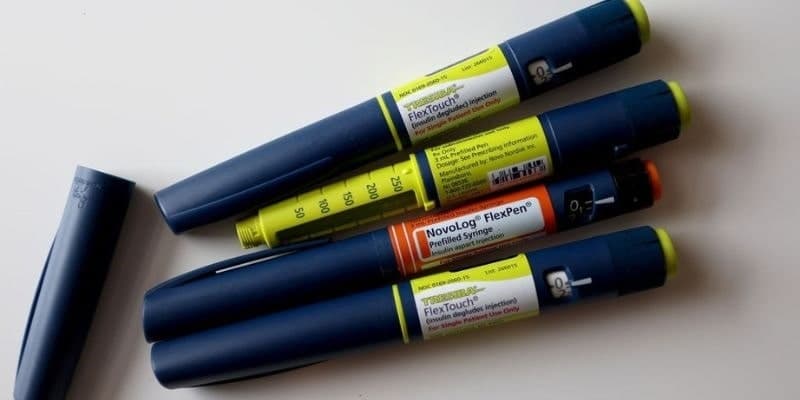
EpiPen is one of many brands of auto-injectable, epinephrine-filled devices that are used in emergencies to fight a person’s allergic reaction to food, drugs, animals, or insect bites, among others. Once injected, the drug improves breathing, raises blood pressure, and reduces swelling in the face and throat. These medicinal devices have saved lives, as epinephrine is the only medication that counters anaphylaxis throughout the entire body.
The Experiment
After discovering that the molecules in epinephrine change when exposed to radiation on Earth, students from a Program for Gifted Learners at St. Brother André Elementary School wondered what the drug would do in space. The kids formulated a plan and collaborated with a University of Ottawa professor, Dr. Paul Mayer, to find an answer to their question.
Together, the student scientists and Dr. Mayer worked with iEDU and a program called Cubes in Space. The kids were permitted to send cubes containing an EpiPen and pure epinephrine into space to see what would happen once exposed to radiation. Unfortunately, the cubes are too small to hold an EpiPen, so the students had to devise a way to transfer the fluid from the device into a smaller container.
Once they resolved the problem, Dr. Mayer ran tests to ensure that epinephrine was pure before it was launched into the atmosphere. Then, the team sent out four total vials (two containing the EpiPen liquid and two containing pure epinephrine).
When the cubes returned to Earth, the students discovered that the vials containing the fluid from the EpiPen had zero epinephrine molecules remaining, and 13% of the pure epinephrine had transformed into a toxic chemical called benzoic acid. These findings suggest that EpiPens and others like them would likely not work in space and even have the potential to become harmful if injected.
The kids were excited about what they had found. This data will help to create a way to store epinephrine in space and keep it safe for astronauts who may need to use it someday. The students have already decided what to do next to further the investigation between epinephrine and space.
Raina, one of the student scientists who helped carry out the experiment, shared the group’s next steps: “So this year, the next steps are first to validate our results and see if we get the same results as last year and then to also design some sort of protective system to hopefully protect the pure epinephrine and EpiPen solution in space.”
Test Your Knowledge – Take the Quiz!
Try a quiz based on this article
The group of student scientists highlighted in this article were from what country?
Show the answer
Canada.
What caused the molecules within the EpiPen to change on Earth?
Show the answer
Solar radiation.
EpiPens are used to fight:
Show the answer
Allergic reactions.
After injected, the EpiPen reduces swelling in the face and throat, raises blood pressure, and improves:
Show the answer
Breathing.
Epinephrine is one of many drugs that counter anaphylaxis in the entire body.
Show the answer
False.
After realizing that radiation from the sun changed the molecules in epinephrine, the students wondered:
Show the answer
What would happen if exposed to radiation in space?.
The kids sent cubes containing the liquid from EpiPens and pure epinephrine to space.
Show the answer
True.
The kids evaluated the cubes once they returned to Earth. They found that the EpiPen liquid had:
Show the answer
Lost all of the epinephrine molecules within the liquid.
What percent of the pure epinephrine had turned to poisonous chemicals in space?
Show the answer
13%.
The students plan to run the test again and compare results, as well as create a container that could protect the epinephrine.
Show the answer
True.

Kirsten Brooker
Culture Correspondent for Liberty Nation and Generation Liberty. Kirsten loves to write about culture from the point of view of an everyday American who lives deep in the heart of the Midwest. She is the mother of two adorable girls, likes classic rock, and humbly wears the crown of a former Homecoming Queen with grace and style.