
★ In this story 02
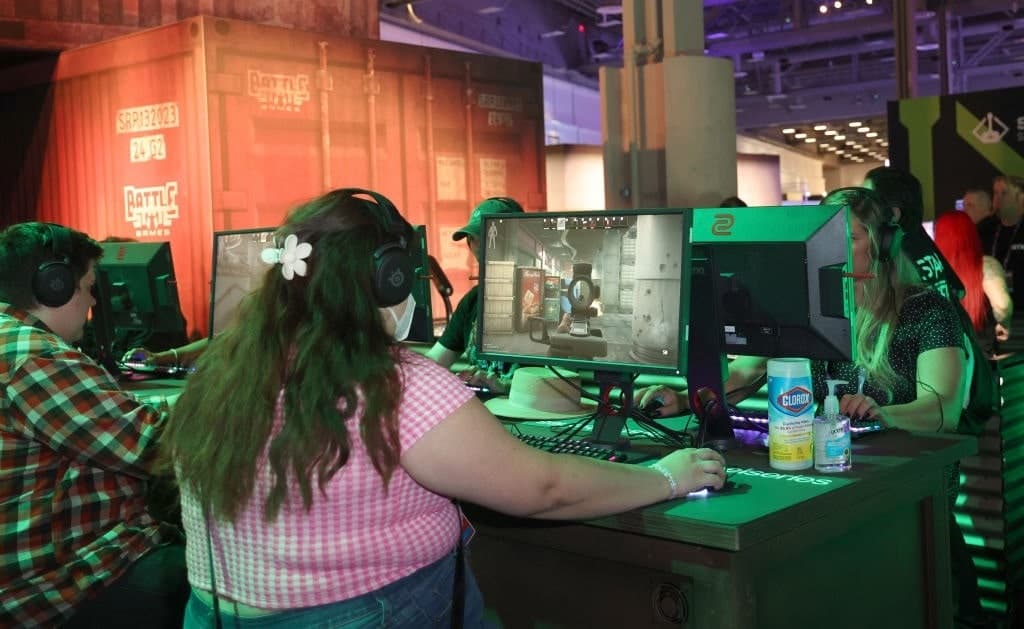
Video games have been around for decades. While the 1970s Pong is believed to be the first-ever video game, the credit should possibly be given to Physicist William Higinbotham and the tennis-like game he created in 1958. Over time, game technology advanced, and the hobby became increasingly popular. Today, gaming is considered a sport in some places and is dubbed ‘esports’ – short for electronic sports. Competitive gaming is even recognized by some high schools and colleges, offering career opportunities for those who possess the desired skills.
Gaming as an Extracurricular Activity
While competitive gaming is not new to the scene, the acceptance of it in educational institutions is relatively modern. Since 2018, approximately 8,600 high schools and about 175 colleges have embraced the idea of including competitive video gaming on their list of extracurricular activities. The endless progression of the internet and its capabilities has opened gamers to a new world of possibilities, so much so that many schools now offer scholarships for experienced players.
Increased Collegiate Attention
The popularity of esports is growing at a rapid pace. Experts agree that around 640 million will participate in competitions worldwide by 2025. There are several reasons for the growing trend, including the opportunities it creates, the inclusion of teamwork and communication, and the way it nurtures inclusivity.
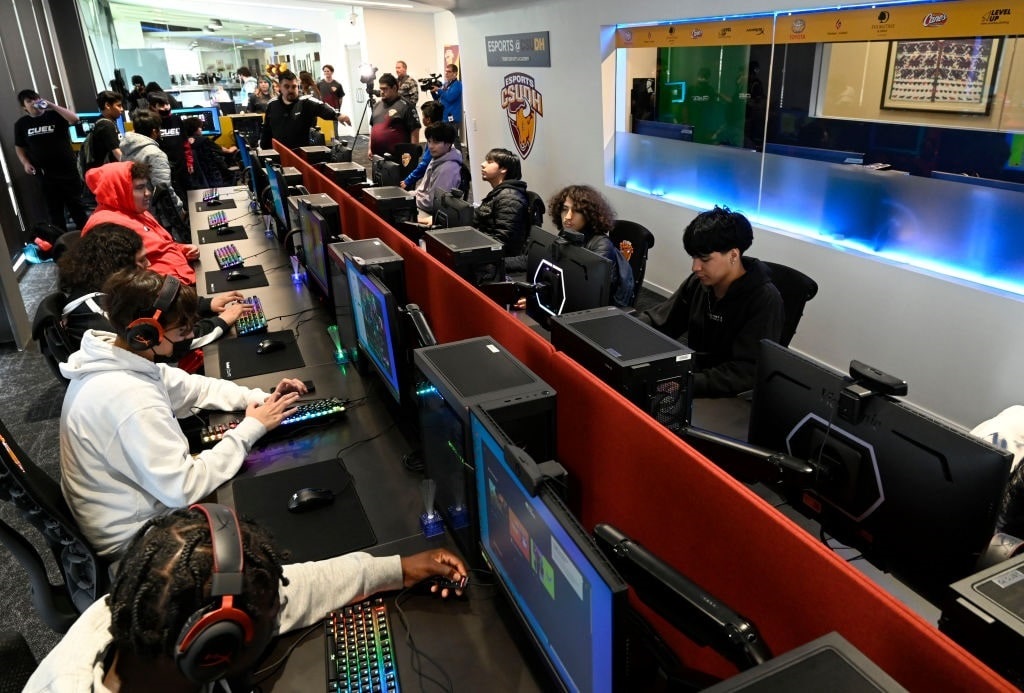
Education centers are noticing the attention that esports are receiving. By offering to include gaming on the list of extracurriculars, school officials hope to see involvement from the kids that are less likely to participate in traditional sports and clubs. As a result, kids will be more likely to pursue higher education, and in theory, become more successful individuals.
Today, players can obtain jobs in the field and win fabulous prizes doing it. A famous team known as Team Liquid won $33.5 million at a gaming competition. In multiplayer games, participants must work with one another to accomplish the objective which improves skills necessary in the workplace. Esports also allows those who tend to be more introverted to engage in a social life, foraging friendships and companionship as they play.
Additionally, esports do not require physical perfection. In other words, those with disabilities, illnesses, or physical impairments are just as capable of excelling as those who are more athletically inclined. Schools appreciate the potential improvements esports provides for kids such as collaboration skills, enhanced cyber safety protocols, boosted self-esteem, problem-solving skills, and critical thinking.
Many young adults involved in esports pursue STEM (Science, Technology, Engineering, and Mathematics) careers. Time management, quick decision making, and teamwork are all contributors to success in the STEM career field.
Other people benefit from esports popularity, as well. As they gain recognition, teams require assistance in planning, scheduling, and overall organization. Opportunities for marketing, management, and engineering staff positions have become more available.
Whether playing for fun, education, or money, competitive gaming allows participants to utilize their unique skills and opens the door to success in an ever-growing field.
Test Your Knowledge – Take the Quiz!
Try a quiz based on this article
What 1970s computer game is credited for being the first video game?
Show the answer
Pong.
What is esports short for?
Show the answer
Electronic Sports.
In what year did educational institutions begin accepting gaming as a competitive sport?
Show the answer
2018.
Competitive gaming has several positive side-effects, such as nurturing inclusivity and:
Show the answer
Both 1 and 2.
School officials hope to see involvement from the kids who are less likely to play traditional sports or join clubs.
Show the answer
True.
What team won $33.5 million for first place in a gaming tournament?
Show the answer
Team Liquid.
Those with disabilities or physical impairments are at a disadvantage in esports.
Show the answer
False.
Many young adults that participate in esports pursue ________ careers.
Show the answer
STEM.
Other common areas of interest for players include careers in marketing, management, and:
Show the answer
Engineering.

Kirsten Brooker
Culture Correspondent for Liberty Nation and Generation Liberty. Kirsten loves to write about culture from the point of view of an everyday American who lives deep in the heart of the Midwest. She is the mother of two adorable girls, likes classic rock, and humbly wears the crown of a former Homecoming Queen with grace and style.