
★ In this story 03
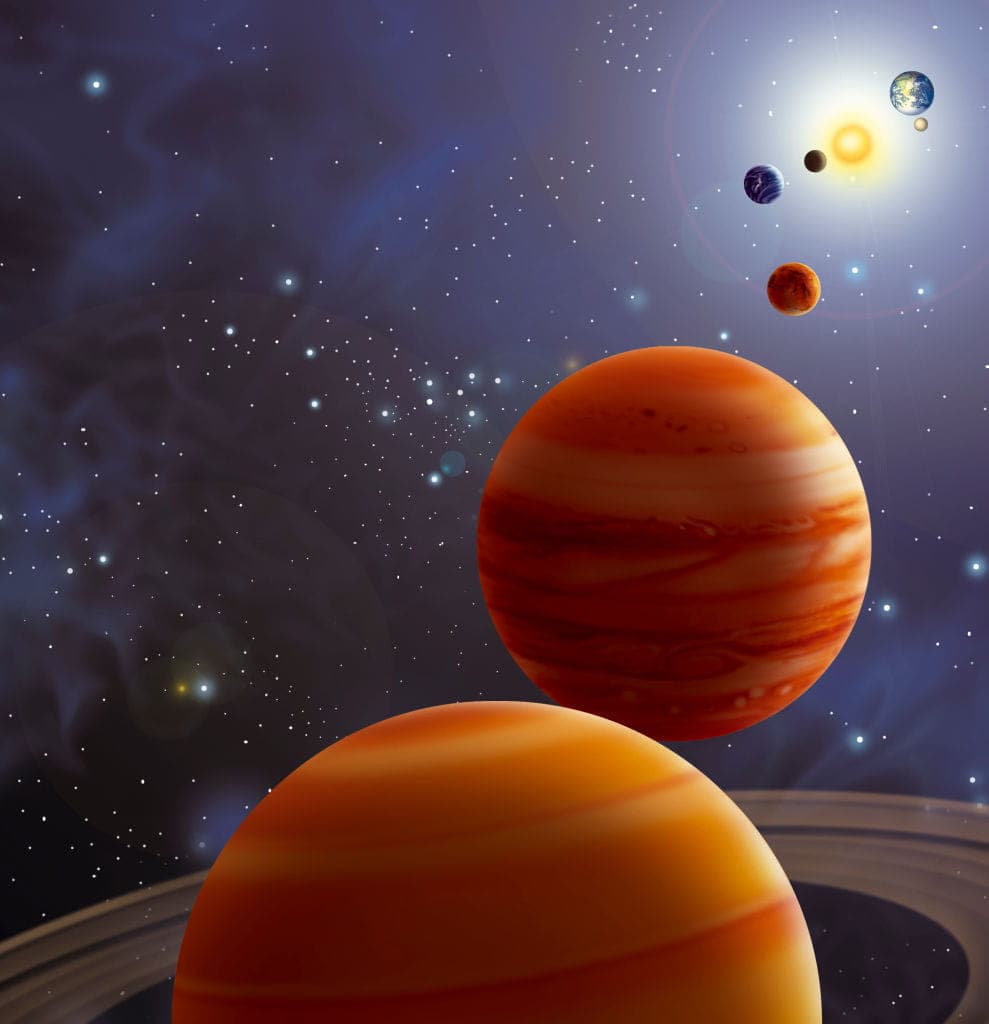
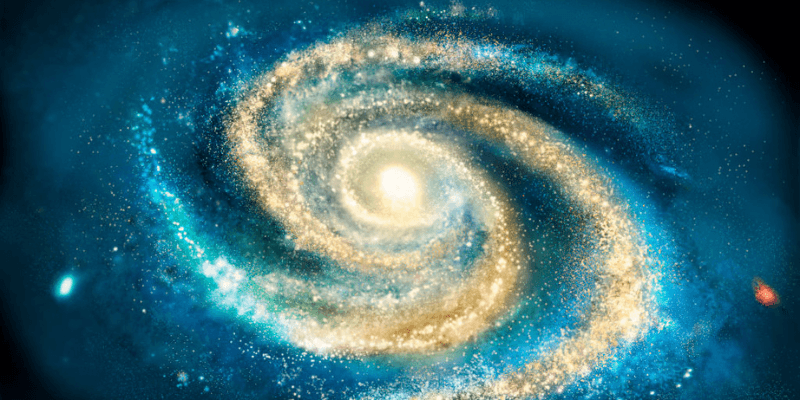
The Milky Way galaxy is estimated to be about 100,000 lightyears across and 12 billion years old. Think that’s big? The observable universe is 93 billion light-years across and 13.8 billion years old. Our galaxy and universe are vast. So, why would there only be one planet like ours? Researchers think there are billions of planets like the blue marble of the cosmos.
More Neighbors Than We Thought
Most scientists believe that there are many Earth-like planets in the galaxy, but they disagree on how many there probably are. The huge size of space makes it likely there is at least one other planet that harbors life. But what if you were told there were six billion exoplanets similar to Earth in size and terrain?
According to a new study published in The Astronomical Journal, many Earth-like planets could exist in just the Milky Way galaxy. Researchers at the University of British Columbia (UBC) believe there could be one exoplanet for every five Sun-like stars in our galaxy. The study authors used information from NASA to determine the number of exoplanets in a Goldilocks zone (a region with a temperature that can host liquid water).
This is not the first time UBC has been involved in a headline-making story. In March 2020, a UBC student found 17 new exoplanets, including one that is about the same size as ours. It is called KIC-7340288 b and has Earth-like attributes.
Hunting for Exoplanets
Scientists have recently presented findings that can help us locate Earth-like planets.
One study looked at the nature of the exoplanets in our galaxy. It concluded that we might be living in a so-called Ocean Galaxy. It is now thought that about 4,000 known exoplanets could be water worlds. Another study suggested that airborne dust on exoplanets could be a sign of alien life.
Space exploration is booming thanks to a wave of new technologies.
“Know Where to Look”
With all this new information, teams of researchers now “know where to look” in their hunt for alien life. Mineral dust, active volcanoes, and hydrogen atmospheres – there are all kinds of things that experts are looking for in their quest. With the huge number of planetary neighbors, it could only be a matter of time before we learn of other lifeforms.