
The First Amendment protects the right to peacefully assemble. However, the United States was founded through resistance to government authority. Still, the government we have depends on people respecting the law. We are a nation with a tradition of civil disobedience, and many great changes have come about from bending the rules, and sometimes even breaking the laws. But the times have changed from the Civil Rights Movement and women’s suffrage. Do today’s civil disobedience actions measure up to the past?
A Quick Comparison
In 1917, women with the National Woman’s Party started picketing outside the White House, demanding then-President Woodrow Wilson support the right for women to vote. Their assembly was peaceful and they were known as the Silent Sentinels because they stood quietly holding banners, with questions such as "Mr. President How Long Must Women Wait for their Liberty?" and "Mr. President What Will you do for Woman Suffrage?"
Then the country entered World War I, and the women became more critical of the president. Police started arresting women for obstructing traffic. According to the National Park Service, more than 150 women were convicted, and some chose imprisonment instead of paying fines they considered unjust. The fight here was for liberty, for equal rights for women.
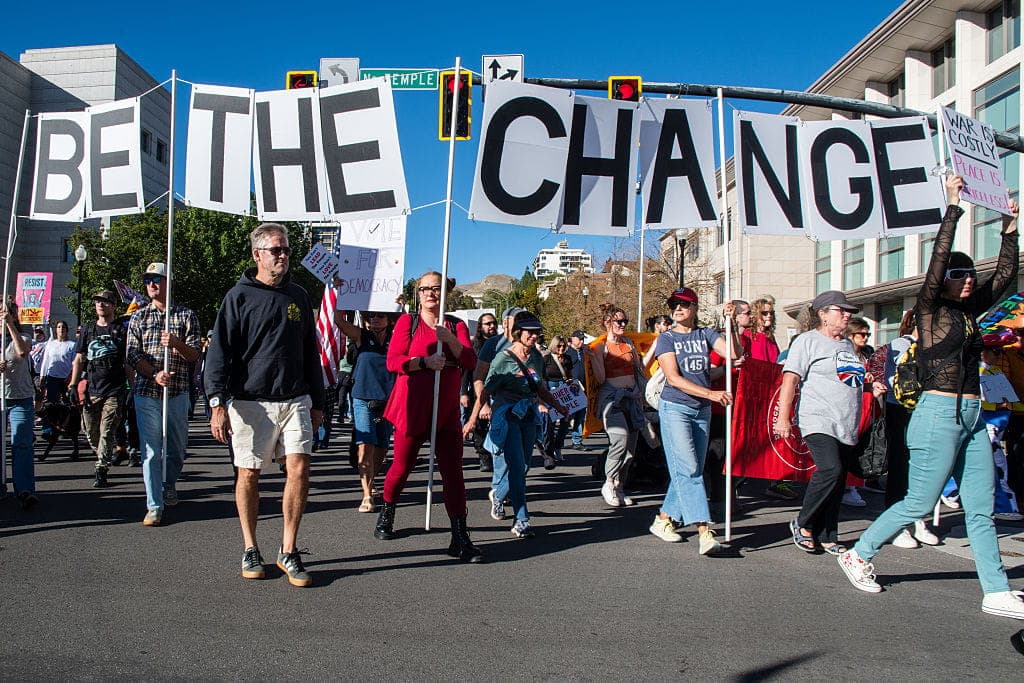
Fast forward to today and the protests against ICE agents. Across the nation, demonstrators are claiming the federal officers are “kidnapping” people off the streets. Can we call this civil disobedience, though? They aren’t just blocking and obstructing agents – they’re sometimes physically attacking them, too.
Protests of the Past
“I was not born to be forced. I will breathe after my own fashion. Let us see who is the strongest.”
~ Henry David Thoreau
In 1846, writer and philosopher Henry David Thoreau spent a night in jail for refusing to pay a poll tax – taxes imposed on individuals rather than on property or income. For years, he had withheld the tax because he opposed slavery and government policies connected with it. He was also against the Mexican-American War because he thought it would expand slavery into more territories. He didn’t want his money supporting a government whose policies he considered immoral.
The experience led him to publish an essay three years later that was originally titled Resistance to Civil Government but later became known as Civil Disobedience. He argued: “I ask for, not at once no government, but at once a better government.” Thoreau’s central argument was that individual conscience should not automatically surrender to government authority or majority opinion. He questioned whether obeying the law was always the same thing as doing what was right. “It is not desirable to cultivate a respect for the law, so much as for the right.”
On February 1, 1960, four black college students sat at a white-only lunch counter in a Woolworth’s store in Greensboro, North Carolina. They were refused service but stayed there until the store closed. The protests grew as more students joined, and the sit-in spread to other cities. By the end of that year, black customers were being served at lunch counters in hundreds of Southern stores.
Martin Luther King Jr. took the philosophy of civil disobedience further in Birmingham, Alabama, in 1963. The city's segregation system was challenged through boycotts, sit-ins, and demonstrations. When authorities obtained a court injunction against the protests, King and other organizers decided to defy it. King was arrested on April 12, 1963. While imprisoned, he wrote his famous Letter from Birmingham Jail, responding to religious leaders who had criticized the demonstrations.
These examples demonstrate civil disobedience without violence or property damage, but what about the Boston Tea Party? Was this civil disobedience or something more? On December 16, 1773, colonists boarded three ships in Boston Harbor and destroyed their cargoes of tea to protest British policies. The Boston Tea Party involved property destruction, so it doesn't fit the narrower modern definition of nonviolent civil disobedience. It is better described as an early example of organized resistance to government authority.
But were these acts justified? Who decides when breaking the law is okay?
When Is Civil Disobedience Justified?
Philosophers disagree about what qualifies as civil disobedience, according to Stanford Encyclopedia of Philosophy. Some say it must always be nonviolent while others argue that certain forms of property damage, or refusing to accept punishment, don’t necessarily disqualify an act.
Some people believe they have a responsibility to stand up against unfair laws, especially when other efforts to change them haven't worked. Others argue that laws are necessary to keep society functioning and that people shouldn't be able to break them simply because they disagree. The problem is that two people can both believe they're doing the right thing while having completely different ideas about what is fair and just. The right to challenge government authority is an important part of American liberty, but that doesn't give anyone the right to threaten or harm others. At what point does fighting against injustice become an injustice of its own?
4 Questions
The story, in brief
What is civil disobedience in the American tradition?
Civil disobedience is presented as resisting government authority in ways that challenge laws or rules viewed as unjust. The tradition includes peaceful assembly, refusal to comply with certain laws, and public protest, while raising the question of when disobedience remains just and when it goes too far.
How did the National Woman's Party practice civil disobedience in 1917?
Women with the National Woman's Party picketed peacefully outside the White House and became known as the Silent Sentinels because they stood quietly with banners. After arrests for obstructing traffic, more than 150 women were convicted, and some chose jail instead of paying fines they believed were unjust.
Why are some protests against ICE agents questioned as civil disobedience?
The protests are questioned because the conduct described goes beyond peaceful obstruction. Demonstrators are said not only to block and obstruct federal agents, but sometimes to physically attack them, which the text contrasts with earlier examples of nonviolent civil disobedience without violence or property damage.
What examples show how civil disobedience changed America?
Henry David Thoreau refused to pay a poll tax because he opposed slavery and the Mexican-American War, and his jail experience helped inspire his essay on civil disobedience. The Greensboro sit-ins spread to other cities, and by the end of 1960 black customers were being served at lunch counters in hundreds of Southern stores, while Martin Luther King Jr. also defied a court injunction in Birmingham.