
★ In this story 04
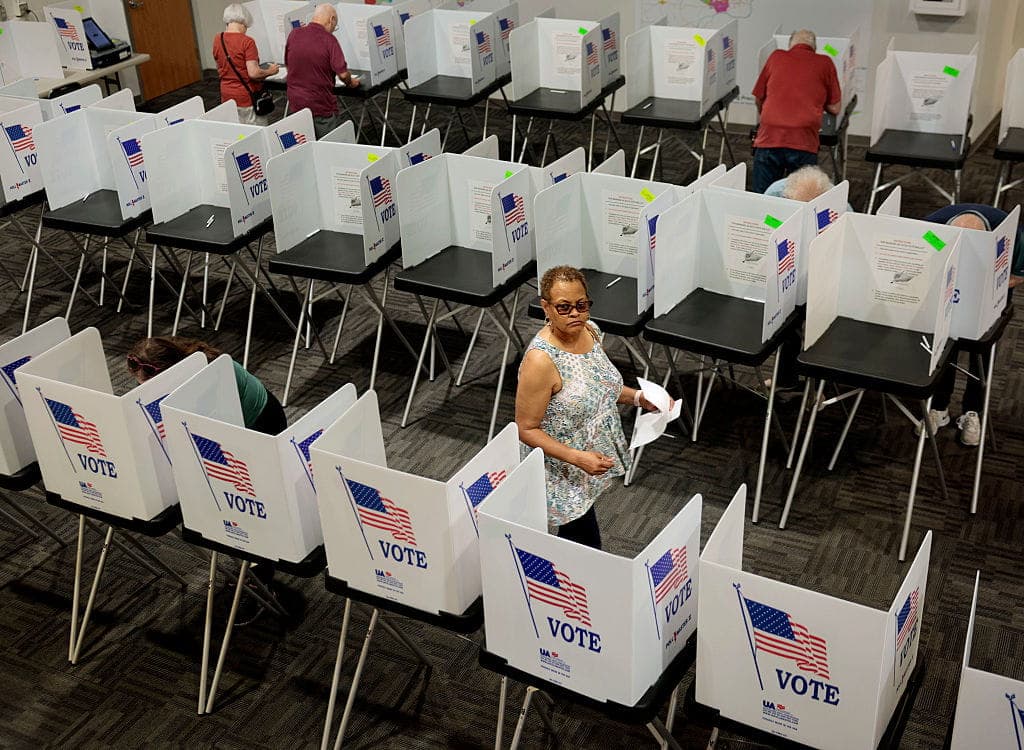
In most of the Western world today, governments are set up with a variety of checks and balances. People can vote and even run for office and have a hand in running the government. But that’s not how it was for most of human history. Rather, totalitarian rulers with absolute power made whatever rules they wanted and reigned for life.
Whether they wore a golden crown, a military uniform, clerical robes, or a fancy business suit, rulers throughout history have found ways to claim total, unchecked, and indefinite control.
Absolute Monarchy
When you think of kings and queens today, you might picture the British royal family. Well, they are certainly monarchs. But the United Kingdom is a constitutional monarchy, meaning the royal family is still respected and revered, but most of the real power rests with elected lawmakers.
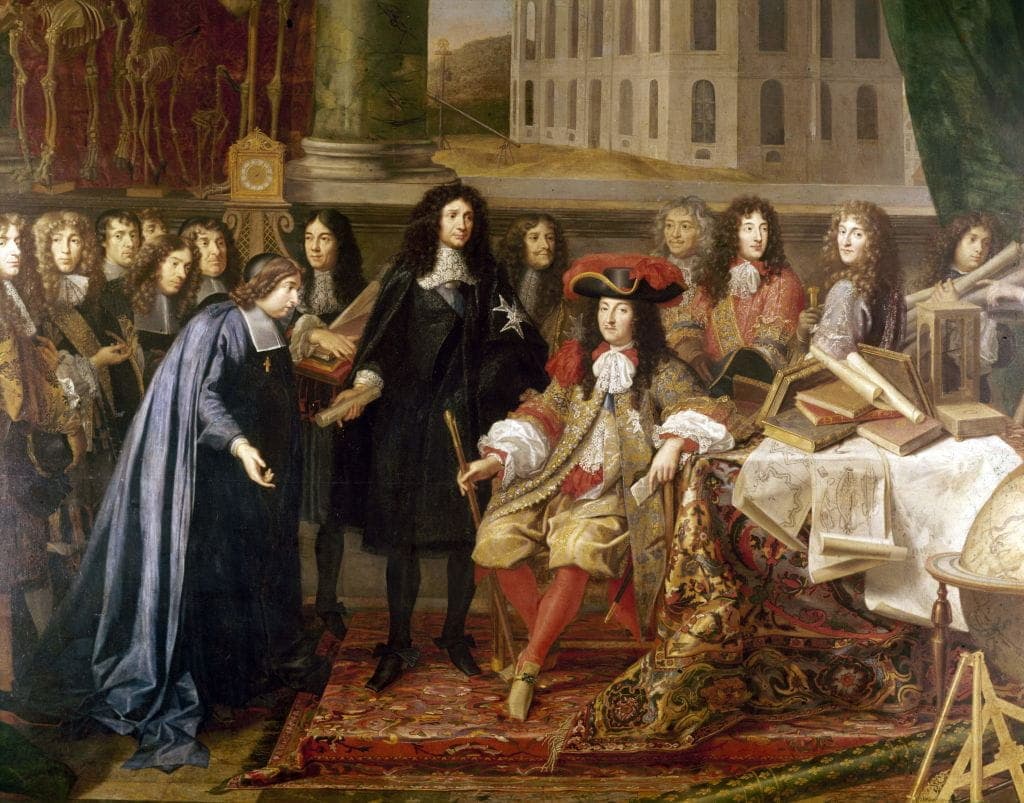
In an absolute monarchy, however, the crown doesn’t share power. The king’s or queen’s word is law. And the British royal family was once exactly that kind of monarchy. To justify this complete rule, monarchs cite the divine right of kings – the idea that God personally chose their family to rule, which would make any rebellion a sin against heaven itself. King Louis XIV was a good example of this. He was famously said to have declared: “L'État, c'est moi,” which, in English, would be: “I am the State.” He called himself the Sun King, envisioning himself as the bright center of France.
You might look at these historical examples and assume absolute monarchy went extinct with powdered wigs and horse-drawn carriages. Well, it didn’t. Countries such as Saudi Arabia, Oman, and Brunei still have ruling monarchs with absolute executive, legislative, and judicial authority.
The Rise of Empires
Sometimes a king just isn’t satisfied with his own kingdom. The first emperors were just kings who conquered enough other nations to need a new name. While a kingdom is generally a unified territory of people sharing similar languages or cultures, an empire is a massive structure in which a single central authority – the emperor – conquers and rules over multiple distinct nations, territories, and ethnic groups.
Rome is a classic example. When the Roman Republic collapsed into civil wars, Julius Caesar took the title dictator perpetuo – or dictator in perpetuity. His heir, Octavian, took the name Augustus and consolidated military command, civil administration, and religious authority into his own control.
While kings often rely on claims of divine right, emperors need more to hold things together. From ancient China and Rome to the Ottoman Empire and the czars of Russia and many other examples throughout history, imperial power was gained and maintained by marching massive armies around and forcing the conquered to pay tribute back to the empire.
The Holy Mandate of Theocracy
But what happens when an absolute ruler doesn’t just claim to be royalty by divine right or a conqueror, but a representative of God or even a god himself? In a theocracy, civil law is replaced entirely or dictated by religious law. There is no separation of church and state in a theocracy because the church is the state.
In ancient Egypt, the pharaoh was a king seen either as a god on Earth or the direct human incarnation of a god. The pharaoh’s job was to maintain Ma’at – the cosmic order, truth, and balance of the universe. Strip away all the rituals, though, and the practical rule of pharaohs was still a totalitarian hereditary monarchy that used taxes, military force, and written law to rule the people.
In a more modern example, Iran established an Islamic republic in name following the revolution of 1979, but it put ultimate power in the hands of a Supreme Leader who was appointed for life and an unelected Guardian Council. Technically, the people do get to vote for a parliament and a president who make laws, but the Supreme Leader commands the armed forces, appoints the judges, and can veto any candidate or law he doesn’t like. And in a theocracy, political opposition isn’t just a different point of view. It’s considered heresy and treason.
The Totalitarian Blueprint
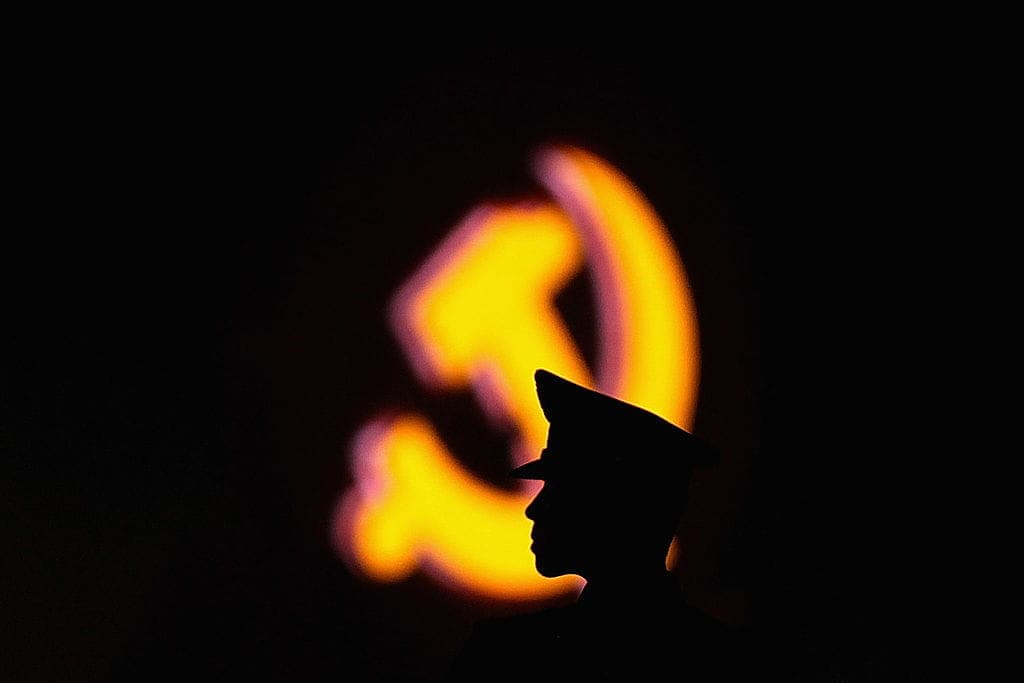
Sometimes in totalitarian regimes, the power belongs to one person. Sometimes it’s a political party that suspends or rigs elections and imprisons its political rivals. Other times generals overthrow governments and rule in a system called a military junta. At first glance, all of these absolute rulers look different. But underneath the crowns, robes, military uniforms, or suits, the machinery is all the same.
None of them can be voted out. None face independent judges who can overrule their decrees. And none of them ever seem to tolerate a public that asks too many questions or resists doing whatever they’re told.
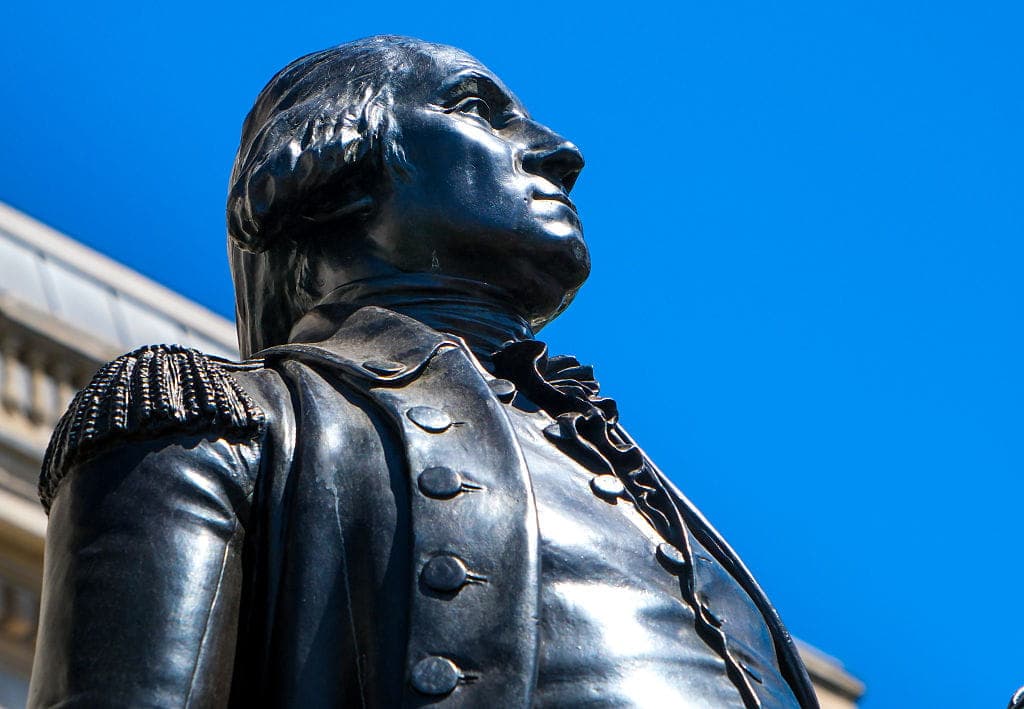
The Founding Fathers of the United States knew history – and they knew the totalitarian regimes that existed in their own time (usually monarchies). They understood that whenever all the power to rule absolutely is given to just one person or group, tyranny is practically guaranteed.
4 Questions
The story, in brief
What is an absolute monarchy?
An absolute monarchy is a system in which the crown does not share power, and the king's or queen's word is law. Monarchs have justified this kind of rule through the divine right of kings, the idea that God personally chose their family to rule.
How is an empire different from a kingdom?
A kingdom is generally a unified territory of people who share similar languages or cultures. An empire is a much larger system in which one central authority, the emperor, conquers and rules over multiple distinct nations, territories, and ethnic groups, often through military force and tribute.
How does a theocracy concentrate power in rulers like Iran's Supreme Leader?
In a theocracy, civil law is replaced entirely or directed by religious law, and there is no separation of church and state. In Iran, the Supreme Leader is appointed for life, commands the armed forces, appoints judges, and can veto candidates or laws, even though people also vote for a parliament and a president.
Why did the Founding Fathers of the United States fear totalitarian rule?
The Founding Fathers knew from history and from the monarchies of their own time that absolute power leads to tyranny. They understood that when all power is placed in one person or group, rulers cannot be voted out, are not checked by independent judges, and do not tolerate opposition.