
★ In this story 02
So far, scientists have been able to explore only about 5% of the world’s oceans. One can only imagine what lies beneath the cold darkness of the unexplored waters. Researchers got a chance to change the number ever so slightly when a chunk of iceberg (named A-84) roughly the size of Chicago broke off the side of the George IV Ice Shelf. The separation revealed a whole new ecosystem beneath the sea that scientists were more than thrilled to explore.
January 2025 – A-84 Detaches From George IV
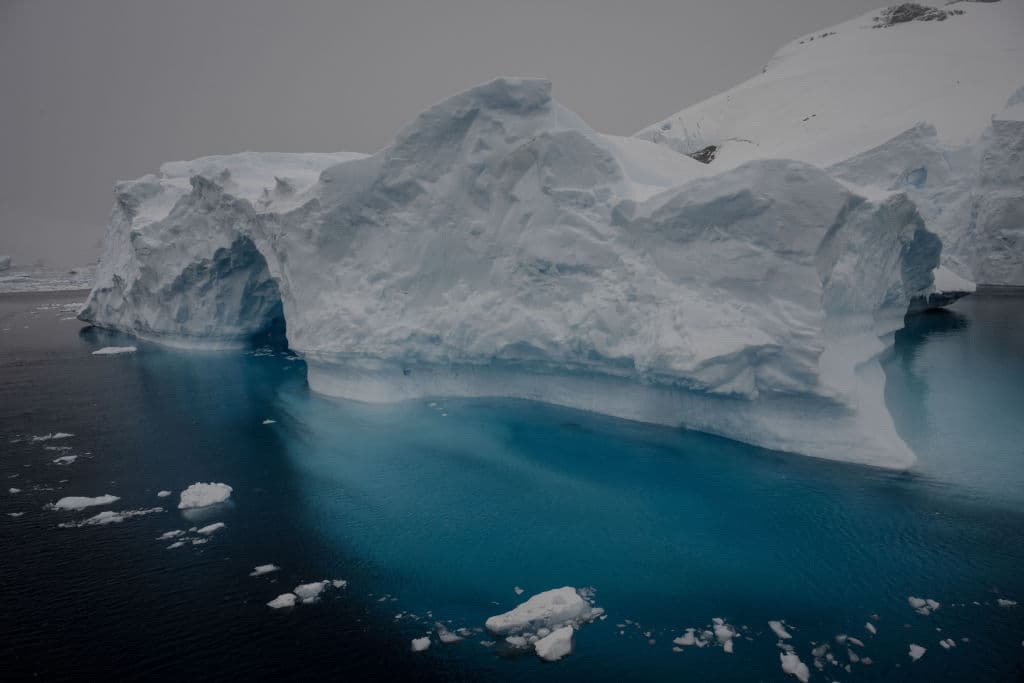
In January 2025, A-84, an iceberg approximately 209 square miles, in a process called calving, fell from the side of the massive George IV Ice Shelf. George IV is a centuries-old, gigantic glacier connected to the Antarctic Peninsula. The shelf has been melting for decades due to climate change. So, while the event was remarkably rare, it did not come as a complete surprise to scientists. The area beneath the ice is entirely unexplored. Researchers were given a rare opportunity to learn more about the potential marine life in the dark, bitterly cold water.
Scientists conducting research nearby heard about the detachment of the giant piece of ice. They rerouted from their original plan to seize an opportunity to explore the new area. What they found was a beautiful and thriving ecosystem that seems to have survived for decades or longer.
The co-chief of the unexpected expedition, Dr. Patricia Esquete, said, “We seized upon the moment, changed our expedition plan, and went for it so we could look at what was happening in the depths below. We didn’t expect to find such a beautiful, thriving ecosystem. Based on the size of the animals, the communities we observed have been there for decades, maybe even hundreds of years.”
Ecosystem Beneath the Ice
A ROV (remotely operated vehicle) named SuBastian was used to navigate the water’s depths. It revealed a rich ecosystem of large corals and sponges giving life to giant sea spiders, octopuses, and icefish. The scientists believe that they have discovered never-before-seen marine animals. Also, the experts are having a difficult time understanding how the area thrives as it does. Most underwater ecosystems rely on nutrients that make their way from the surface to the sea floor. However, above this area of abundant life is nearly 500 feet of solid ice. There is no sunshine to speak of.
With the data gathered from their expedition, scientists will continue to study and find answers about how those animals have adapted to their surroundings and prosper.
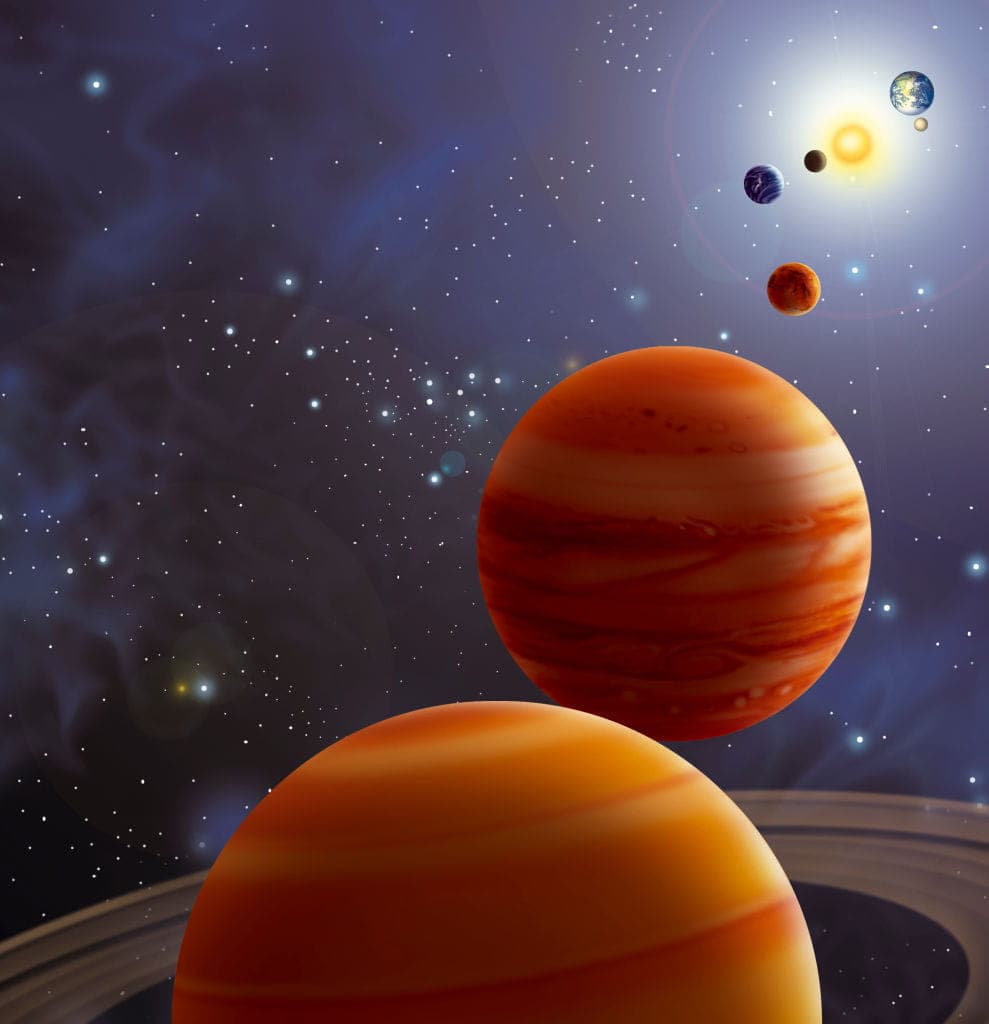
This information prompted questions about animal life flourishing on icy and seemingly uninhabitable planets. Let’s wait and see what the scientists can reveal over time.

Kirsten Brooker
Culture Correspondent for Liberty Nation and Generation Liberty. Kirsten loves to write about culture from the point of view of an everyday American who lives deep in the heart of the Midwest. She is the mother of two adorable girls, likes classic rock, and humbly wears the crown of a former Homecoming Queen with grace and style.