
★ In this story 03
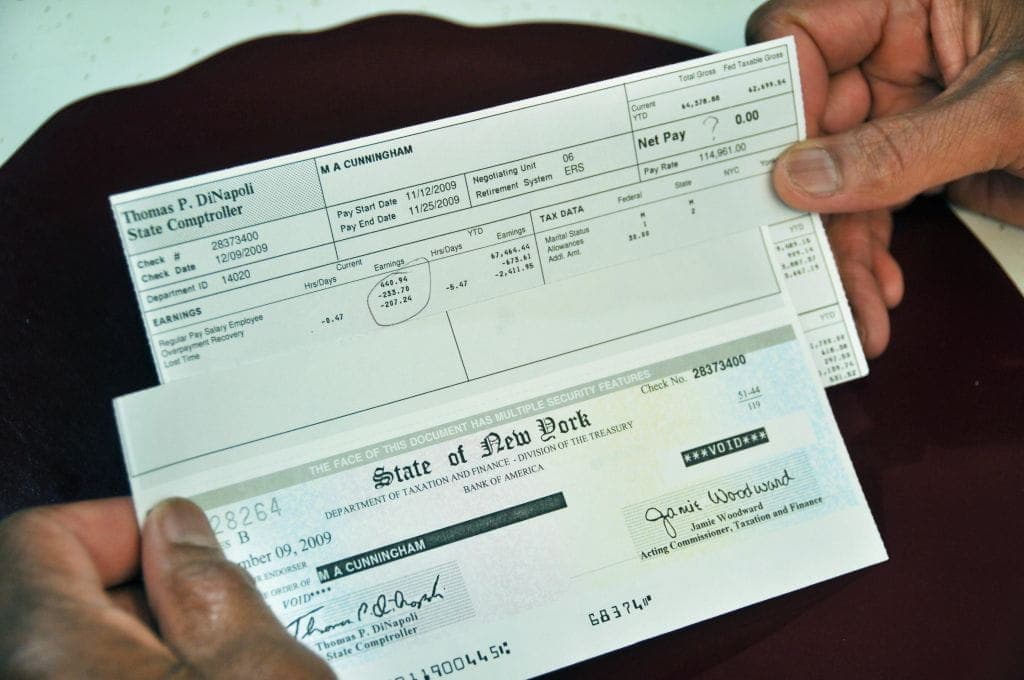
Payday is coming! Payday is coming! You stayed late on Wednesday, came in for a few hours on the weekend, and worked on a holiday Monday. By Payday Eve, you are excited to receive a big paycheck for all your hard work. Unfortunately, before you even receive your first dollar, the government has already taken almost a third of your wages.
Inside Your Paycheck
While estimates vary, typical US workers lose 30% of their paycheck. This is not because you headed to the mall and bought the latest Nike sneakers.
It is because the federal and state governments took a bite of your earnings. So, here is a breakdown of where your paycheck goes:
· Federal Income Tax: Most workers face an effective federal income tax rate of 10% to 15%.
· Social Security: A tax rate of 6.2% is applied to all of your earnings.
· Medicare: Many Americans will pay a Medicare tax of 1.45% (higher earners pay an additional 0.9%).
· State Income Tax: Tax rates vary across all 50 states. It is zero in places like Florida and Texas, but California and New York are in the low teens.
There are also voluntary contributions. These include health insurance (typically $100 per paycheck), retirement contributions, and union dues (if applicable). These can add up quickly and take up 5% to 15% of your weekly or biweekly earnings.
Before you deposit your pay into your checking account, do not be surprised to see less take-home pay than you expected.
Budgeting Your Life
Now that the money is yours, it is time to stretch it, which can be difficult due to inflation.
First, there is housing. Experts say your rent or mortgage should never exceed 33% of your paycheck. Also factor in utilities and home insurance.
While this can be challenging in today’s economic climate, lower monthly housing costs improve your bottom line.
The next biggest expense will be food. Once again, supermarket and restaurant prices have risen substantially in recent years. If you can keep it to 10% of your paycheck, then you are in good shape.
Transportation is another major cost, unless you take public transit. If not, car payments, insurance, gasoline, and every other vehicle-related expense can add up quickly.

Do you have some IOUs hanging around? If so, calculate how much you are paying down each month on credit cards, auto loans, or student loans.
Also, do not forget to pay yourself! This is vital to survive. By setting aside at least 5% immediately for an emergency fund and retirement savings, you can weather rainy days and be set for old age.
And then there is everything else: trips to the movies, buying a new pair of shoes, getting your dad a tie for his birthday, or building that collection of Greek philosophy books.
The Money Goes Fast
In the pilot episode of The Cosby Show, Dr. Cliff Huxtable walks his son, Theo, through a typical paycheck. The father takes out Monopoly money and goes item by item – taxes, clothes, food, and rent – teaching his son a lesson in finances.
The most notable line from the exchange? "Because you see, the government comes for the regular people first."
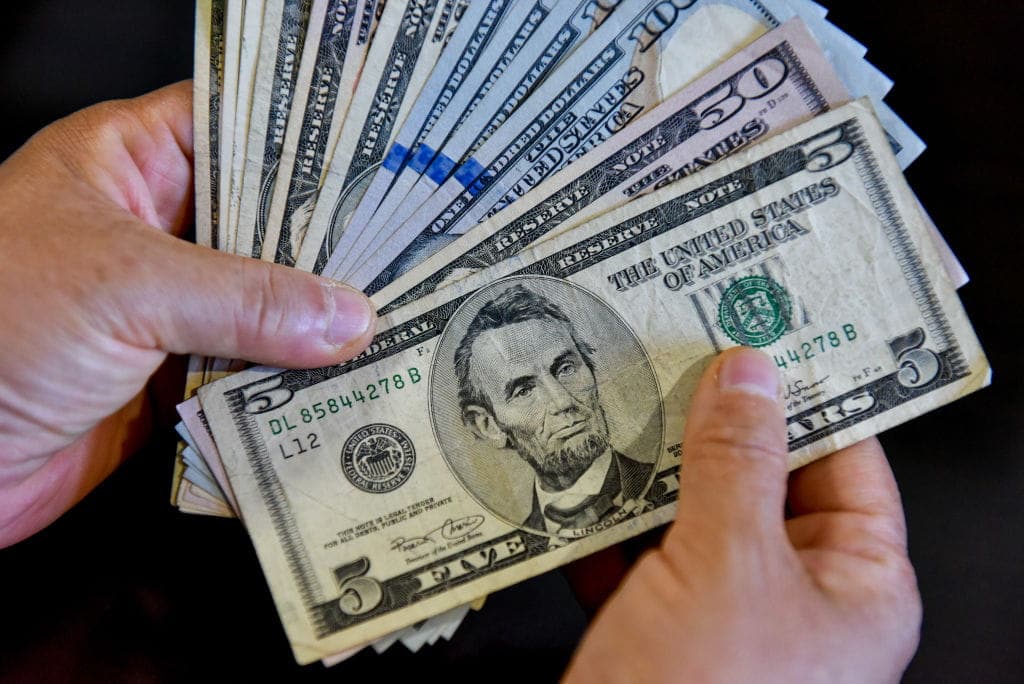
While the quip targets taxes, it should also consider inflation. When the government prints money, it slowly reduces your purchasing power. This means your $5 no longer buys $5 worth of stuff, but rather $4, $3, $2, and $1.
Ultimately, earning more than inflation has become today’s American Dream!
4 Questions
The story, in brief
Why do typical US workers lose about 30% of each paycheck?
Typical US workers lose about 30% of their paycheck because federal and state governments take taxes out before the money reaches them. The article lists federal income tax, Social Security, Medicare, and state income tax as the main reasons take-home pay is lower than expected.
What taxes come out of a US paycheck before take-home pay?
A US paycheck can have several taxes withheld before take-home pay. The article says most workers face an effective federal income tax rate of 10% to 15%, plus 6.2% for Social Security and 1.45% for Medicare. State income tax also varies, from zero in places like Florida and Texas to the low teens in California and New York.
What other paycheck deductions can reduce take-home pay?
Voluntary contributions can also reduce take-home pay. The article names health insurance, retirement contributions, and union dues if applicable. It says these can add up quickly and take up 5% to 15% of weekly or biweekly earnings, with health insurance typically costing about $100 per paycheck.
How should a worker budget a paycheck after taxes and deductions?
The article says housing should never exceed 33% of a paycheck, and food should stay around 10% if possible. It also says workers should account for transportation and debt payments such as credit cards, auto loans, or student loans. In addition, setting aside at least 5% right away for an emergency fund and retirement savings is described as vital.