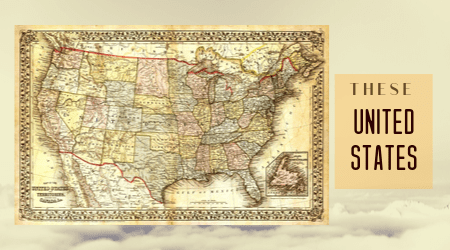
Maryland became the seventh state to join the Union on April 28, 1788. The English King Charles I gave a man named George Calvert a charter to found the colony in 1632 but he ventured to the new land. Instead, Calvert’s son Cecil inherited the royal charter and he, along with his uncle Leonard, led hopeful settlers across the waters in 1634. A little over two hundred passengers traveled on two ships: the Ark and the Dove. They landed at St. Clement’s Island in southern Maryland on March 25, 1634.
Leonard wanted a place where religion could be practiced freely and the new territory represented that dream. The landing site was the place of the first Catholic mass in the Colonies and it is still celebrated each year in Maryland.
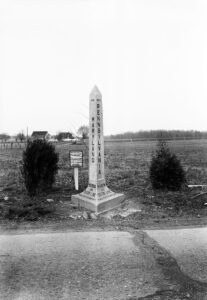
Times were tough in the region; there were diseases such as smallpox and battles with the Native American tribes. It was also a time of clashes between religious groups settling in the area, mostly between the Catholics and Puritans. The different groups attempted to figure out which religious sect should be settling specific parts of the new colony. Settlers could not agree on a boundary between Maryland and Pennsylvania. So, to settle the dispute, Charles Mason and Jeremiah Dixon surveyed the land from 1763 to 1767 and came up with a definite border which became known as the Mason-Dixon Line.
A decade later, tired of English rule, the settlers in Maryland joined with other territories and colonies to declare their independence and the American Revolution began. The soldiers from the state were nicknamed the “Maryland Line,” and George Washington referred to them as his “Old Line,” providing the state with the nickname “The Old Line State.”
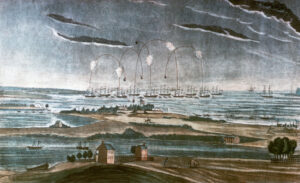
St. Michaels’ townsfolk got word that the British were planning an invasion and went to great lengths to detour them. On August 10, 1813, the residents turned off all their lights and placed lit lanterns on the tops of trees and even on the masts of ships. When the British fired their cannons at what they thought was the town of St. Michaels, they instead overshot the town and only one house was damaged in the attack; the “Cannonball House.” St. Michaels then became known as “The town that fooled the British.”
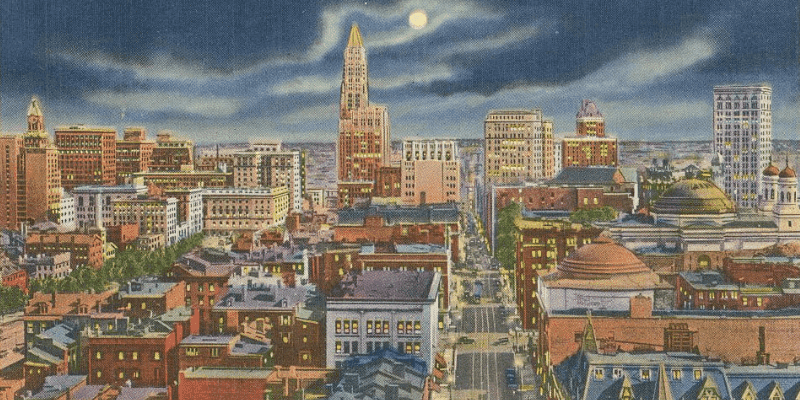
In 1814, the British tried to capture Baltimore. Francis Scott Key witnessed the attempt at Fort McHenry and was inspired to write the words to “The Star-Spangled Banner.”