
★ In this story 03
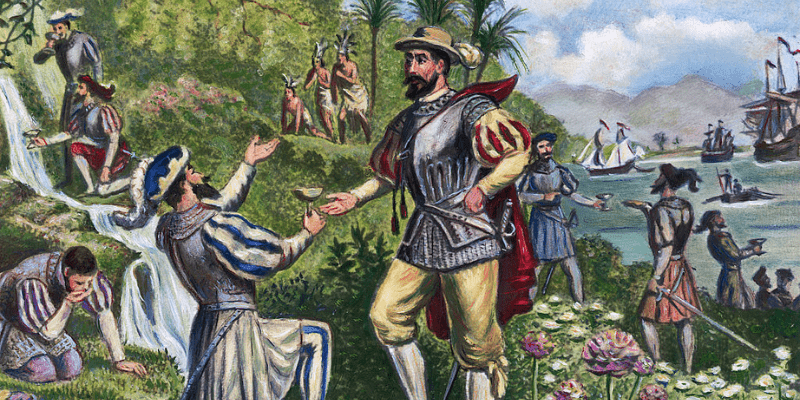
The stretch of land we know as New York changed hands multiple times during the colonial era. Before the Europeans' arrival in the 16th century, the land was inhabited by several Native American tribes, including the Mohegan, Lenape, and Wappinger. Over time, the land became controlled by the Dutch and English, eventually becoming the 11th state to ratify the US Constitution in 1788. New York quickly developed into the center of commerce, finance, and industry, aided by Gov. DeWitt Clinton and his efforts to construct the Erie Canal. Today, New York ranks high in manufacturing and is widely known for its tourist destinations.
New York in the 16th–19th Centuries
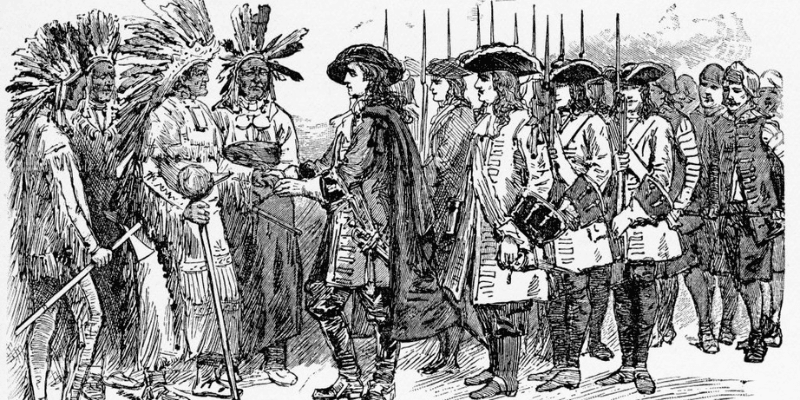
In 1664, during the Second Anglo-Dutch War, the English captured and governed what they called the Province of New York. That lasted until the area was claimed by the Dutch during the Third Anglo-Dutch War in 1673, when it was renamed New Orange. Dutch ownership was short-lived, as the English reclaimed the territory just one year later. In 1754, the royal charter in New York City established the first college, King’s College, which became Columbia University.
When the Stamp Act was passed, New York residents led the opposition. As the American Revolution began to take shape, loyalties among the people were divided. Among the major conflicts of the American Revolution was the Battle of Long Island in August 1776. New York City eventually became the main hub for military operations for the remainder of the war. New York State was responsible for nearly one-third of all military engagements throughout the Revolution.
After the war ended, New York City served as the state’s capital until 1797, when Albany took the title.
The completion of the Erie Canal in 1825 opened the door for the state to become a crucial part of the country’s industry and commerce and led to its rapid growth. The next hot topic was the matter of slavery, which ended in New York in 1827. However, the abolition did not end slave labor within the state. Conflict regarding slavery led to severe civil unrest between the North and South. The end of the Civil War brought about the 13th, 14th, and 15th amendments, significant changes for blacks in the state.
The 20th and 21st Centuries Brought Prosperity and Suffering
In 1900, New York was thriving. Throughout the Roaring Twenties and until the start of the Great Depression, it topped the charts in wealth and population. As the nation’s largest state, it was the primary supplier of resources for World War II and suffered the highest number of casualties, with more than 31,000 military deaths. This massive reduction in male residents adversely affected the state’s growth. Many businesses moved South in search of lower taxes and nonunion work. High-tech industries and telecommunications in the 1980s helped the state improve its economy.
In 2001, the Sept. 11 attacks on the World Trade Center led to billions of dollars in economic losses and caused widespread trauma to the state’s residents. Today, however, Lower Manhattan has been rebuilt, and Ground Zero became home to the National September 11 Memorial and Museum, which features reflecting pools in the footprints of the Twin Towers.
Tourist Attractions
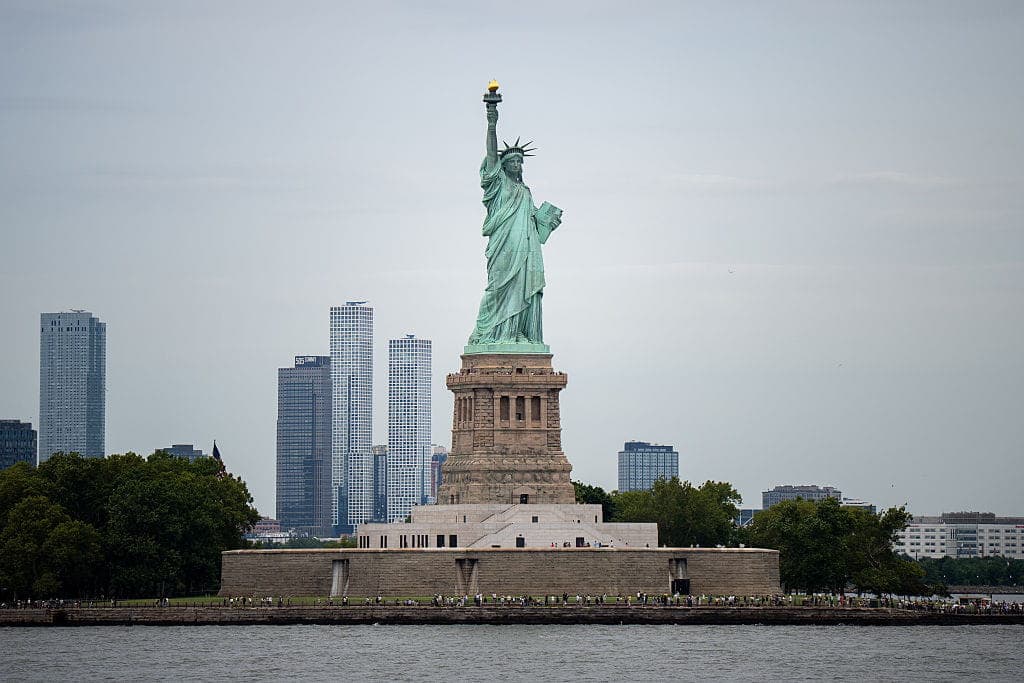
Many iconic landmarks, parks, and museums are located in New York. Topping the list is the Statue of Liberty, a gift of friendship from the French that was completed and dedicated in1886. Other must-see tourist sites include the Empire State Building, Times Square, Grand Central Terminal, Central Park, the Metropolitan Museum of Art (The Met), and Fifth Avenue, among others. A healthy mix of tourist destinations makes New York one of the most visited states in the United States.

Kirsten Brooker
Culture Correspondent for Liberty Nation and Generation Liberty. Kirsten loves to write about culture from the point of view of an everyday American who lives deep in the heart of the Midwest. She is the mother of two adorable girls, likes classic rock, and humbly wears the crown of a former Homecoming Queen with grace and style.