
★ In this story 03
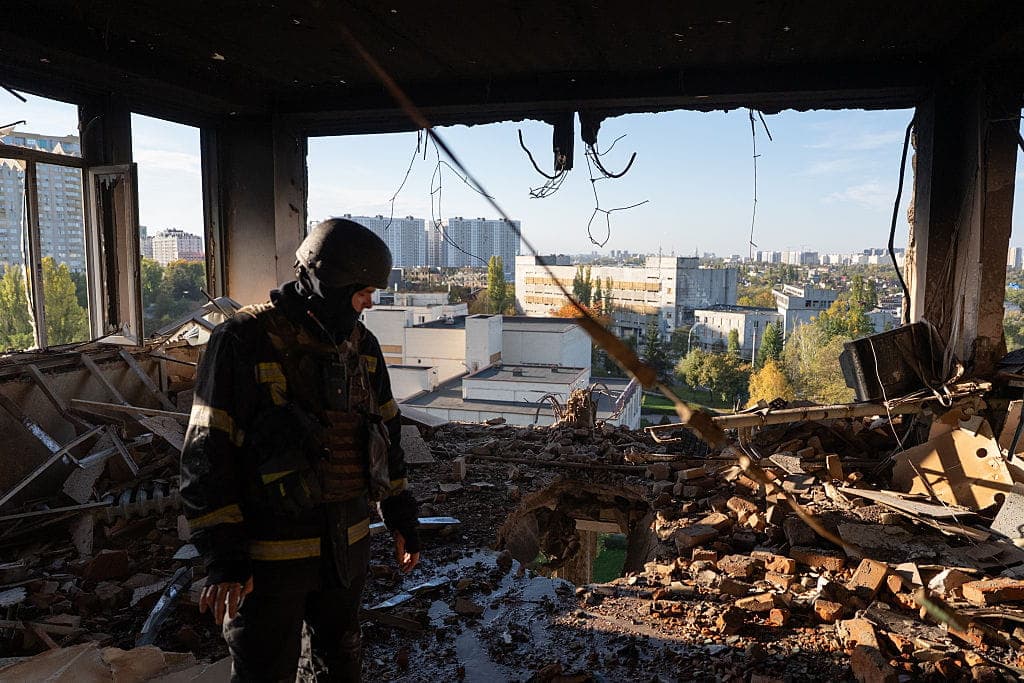
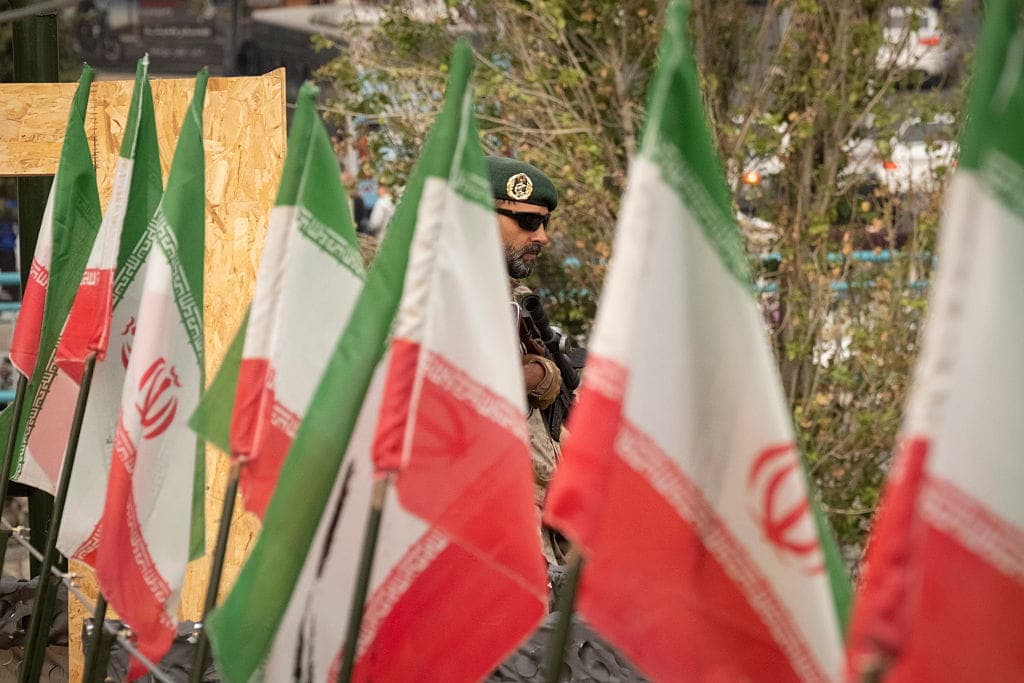
Despite the United States halting its frequent air attacks, Iran’s leadership persists in attacking ships in the Strait of Hormuz. The United States and Iran have been in persistent conflict since Feb. 28, except for a short period when it looked as if the June memorandum of understanding might halt the fighting and reopen the waterway.
Iran May Face Its Fate Soon
While the ink was drying on the document, Iran commenced attacking shipping in the strait. Consequently, President Donald Trump declared the memorandum “over” in July. Limited exchanges of fire have continued, in tandem with attempts at diplomacy. “President Donald Trump said [Nov. 2] he was in no hurry to resume military strikes against Iran as the US and Tehran weigh a Qatari proposal to restart direct negotiations. The proposal calls for three days of ‘confidence-building measures’ to pave the way for direct US-Iran talks, sources told Axios,” Fox News reported.
President Trump explained to Axios, “One way or the other, we will do something, but there is no rush. We crippled them financially.” Meanwhile, Fox News said Secretary of War Pete Hegseth and Israeli Prime Minister Benjamin Netanyahu support renewing military strikes. Those attacks would accompany the crippling economic sanctions the United States has placed on Iran. On a positive note, Fox News reported that oil prices have dropped 3% since the “US and Iran announced the latest round of peace talks in Doha [Qatar].” Trump said he has planned no more airstrikes until after the midterm elections.
Meanwhile, according to The Wall Street Journal, Admiral Brad Cooper, commander of US Central Command (USCENTCOM is responsible for the Middle East area of operations), “briefed President Trump on [Oct. 29] on military options for Iran, a rare in-person visit to the White House as the United States weighs resuming major combat operations.” The WSJ also reported that White House officials have explained to the Arab Gulf states that they should be prepared for a “[s]hort, intense campaign after the midterm elections.”
US Central Command in Charge
In the past, US Central Command forces have carried out numerous air attacks against Iranian mine-laying vessels and ports, drone facilities, and Iranian radar sites. The American military has hit numerous command and control installations as well. Of particular importance have been USCENTCOM’s efforts to keep the Strait of Hormuz clear of mines. Unfortunately, despite the command’s best efforts, Iran has attacked shipping in the strait with what are reported to be limpet mines.
These are explosive devices placed on ships’ metal hulls with a magnetic attachment below the waterline. Divers or small boats, as in this case, place them. Once attached, the mines are detonated remotely or on a timer. The limpet mine is intended to sink or seriously damage a target ship.

Admiral Cooper, in a video, stated, “When I flew over the strait, I saw dozens of commercial vessels transiting, all types, cargo, crude oil, liquid natural gas … Here’s what I didn’t see. I didn’t see the IRGC [Islamic Revolutionary Guard Corps] out there at all … But they were not out there because Iran’s Navy is all at the bottom of the sea.” Cooper also said US forces had cleared the specific international waterway of sea mines.
Cooper explained that US forces had “assisted Gulf partners in exporting more than 1.5 billion barrels of crude oil since summer.” He also complimented the US forces for establishing an “ironclad” blockade that has prevented Iran from exporting any crude oil. Nevertheless, according to CNBC News, “Iran said four tankers struck mines in the Strait of Hormuz, and Yemen’s Houthis claimed missile strikes on Saudi Arabia, escalating pressure on two fronts as the U.S. reportedly weighs renewed military action against Tehran after Tuesday’s midterm elections.” Whether the strait is fully open depends on whom you are listening to. Reports from the region indicate that the United States has assisted in the passage of 3,000 vessels in the last six months.
Why This Matters
The United States and Iran are locked in a conflict that impacts nearly every nation in the Gulf region. Iran has shown itself to be unreliable in any agreement it might make. President Trump has warned that the United States is prepared to “give Iran ‘the hammer’ soon if the latest round of peace talks are not fruitful,” Fox News reported. The decisive date appears to be Nov. 3, when midterm elections will decide which party controls Congress. If the Democrats take the Senate and the House of Representatives, prosecuting the war with Iran will be difficult, since Congress holds the purse strings. Democrats could stop funding the war.
~
The views expressed are those of the author and not of any other affiliate.
4 Questions
The story, in brief
Why is Iran still attacking ships in the Strait of Hormuz?
Iran resumed attacking shipping in the strait even as a June memorandum of understanding briefly raised hopes of halting the fighting and reopening the waterway. The article says Iran began attacking shipping while the ink was drying on the document, leading President Donald Trump to declare the memorandum over in July.
What is President Donald Trump's current plan for Iran?
President Donald Trump said he is in no hurry to resume military strikes against Iran while the United States and Tehran consider a Qatari proposal for renewed direct negotiations. He said no more airstrikes are planned until after the midterm elections, though he also warned the United States is prepared to act if the latest peace talks are not fruitful.
How has US Central Command responded to Iran in the Strait of Hormuz?
US Central Command has carried out air attacks against Iranian mine-laying vessels and ports, drone facilities, radar sites, and command and control installations. It has also worked to keep the Strait of Hormuz clear of mines, assisted Gulf partners in exporting more than 1.5 billion barrels of crude oil since summer, and helped thousands of vessels pass through the region.
What could happen after the midterm elections in the Iran conflict?
The article says White House officials told Arab Gulf states to prepare for a short, intense campaign after the midterm elections, and Admiral Brad Cooper briefed President Trump on military options for Iran. It also says the election result could shape the war effort, because if Democrats take both chambers of Congress they could make prosecuting the war difficult by stopping funding.

Dave Patterson
National Security Correspondent at LibertyNation.Com and Generation Liberty, Dave is a retired U.S. Air Force Pilot with over 180 combat missions in Vietnam. He is the former Principal Deputy Under Secretary of Defense, Comptroller and has served in executive positions in the private sector aerospace and defense industry. Dave’s articles have appeared in The Federalist and DefenseOne.com.