
★ In this story 03
A trip to the nearby grocery store may not be the most pleasant activity. Nearly everything is expensive, from a generic loaf of white bread to a tiny package of chicken breasts. If the high costs weren't bad enough, shoppers may face another foe: AI pricing. Will the machines deliver savings, or squeeze our wallets even more?
AI Pricing for Your Chicken
Ride-sharing app Uber introduced dynamic pricing to the masses. The technology relies on algorithms to measure driver supply and ride demand. This lets consumers either save money or spend a few bucks more to travel from point A to point B. It also encourages drivers to take on more trips during busy periods, which can ease the system.
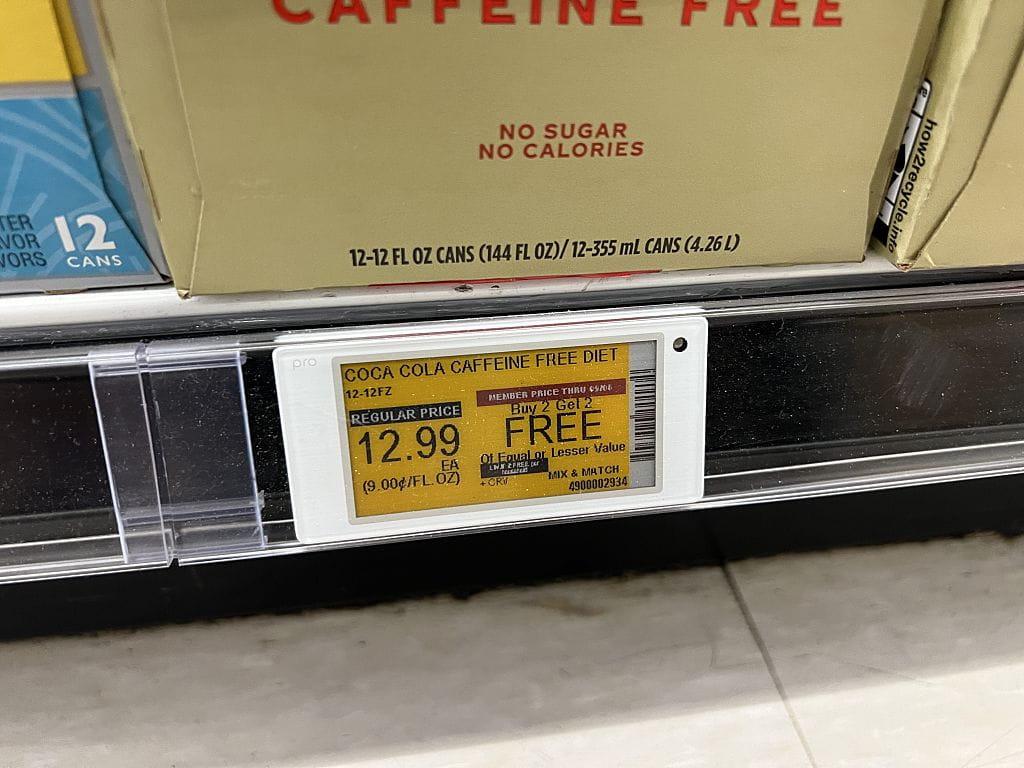
Should supermarkets adopt similar measures? Across the United States, grocery stores are replacing paper price tags with digital shelf labels, a technology that could make AI-driven pricing strategies easier to implement.
Using Electronic Shelf Labels (ESLs), grocery stores could adjust food prices in real time based on changing inventory levels, consumer patterns, and market conditions. Other factors could include local weather, warehouse stock, and competitor pricing.
Put simply, you might spend $2.99 on a can of Chef Boyardee at 9:15 a.m. or $3.45 for the same item at 2:45 p.m.
Where’s the Beef?
Airlines, hotels, and even fast-food chains have flirted with AI pricing.
Most notably, Wendy's sparked a storm of memes in 2024 when CEO Kirk Tanner proposed introducing digital menu boards that can offer discounts, deals, and fluctuating value during off-peak times. The company later confirmed it would not move ahead with the idea.
Still, it was too late, as social media produced an endless stream of memes. A popular meme featured Gordon Gekko from the famous movie Wall Street, talking on the phone: "When I buy a Baconator on the dip, short the sandwich at 12:15 and turn a 27% profit."
Benefits or Drawbacks?
So far, the industry argues this method is superior because it saves workers time and keeps prices up to date.
"We don’t set different prices based on who you are or the time of day, and we won’t,” Walmart CEO John Furner said in September. “Whether you’re buying groceries or electronics on a hot afternoon or in a sudden rush for an item, it’s never a reason to charge you more.”
Walmart says about 2,300 of its US locations use digital shelves.
Katie Thomas, head of the internal consumer behavior think tank at the management consulting firm Kearney, questions who really benefits.
“There are major tensions happening right now between who’s really going to have the power with some of these algorithms and usage of bots and AI: the companies or the shopper," Thomas told the Associated Press.
Lawmakers in numerous states have introduced legislation aimed at regulating algorithmic or personalized pricing. The Federal Trade Commission also has suggested businesses could violate consumer protection laws if they do not disclose their use of personalized data.
In 2022, California District Attorney’s Office sued Target, alleging that the retail giant's app showed lower prices before customers entered the store and then raised costs once they were inside, a practice known as geofencing. Target eventually settled for $5 million and agreed to ban the technology.
4 Questions
The story, in brief
What is AI pricing in grocery stores?
AI pricing in grocery stores refers to using Electronic Shelf Labels and algorithms to adjust food prices in real time. Prices could change based on inventory levels, consumer patterns, market conditions, local weather, warehouse stock, and competitor pricing. That means the same item could cost one price in the morning and a higher price later in the day.
Why are grocery stores adding digital shelf labels?
The grocery industry says digital shelf labels save workers time and keep prices current. They also make it easier to update prices quickly across a store without changing paper tags by hand. Walmart says about 2,300 of its US locations use digital shelves.
Who benefits from algorithmic grocery pricing?
Supporters say the system can keep prices up to date and make store operations more efficient. Critics are not sure shoppers will benefit as much as companies. Katie Thomas of Kearney said there are major tensions over whether the power will rest with companies or with the shopper.
What happens next for AI pricing in grocery stores?
Lawmakers in numerous states have introduced legislation to regulate algorithmic or personalized pricing. The Federal Trade Commission has also suggested businesses could violate consumer protection laws if they do not disclose their use of personalized data. Legal scrutiny has already reached retail pricing practices, as Target settled a California case over geofencing and agreed to ban the technology.