
★ In this story 03
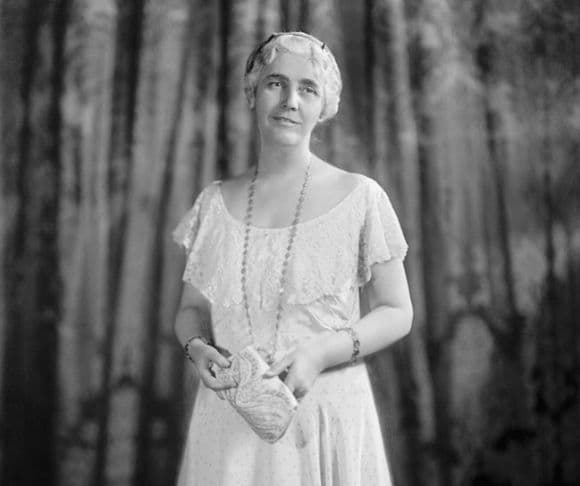
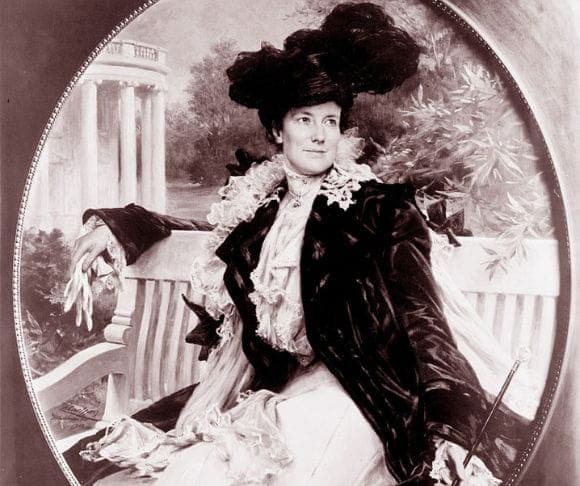
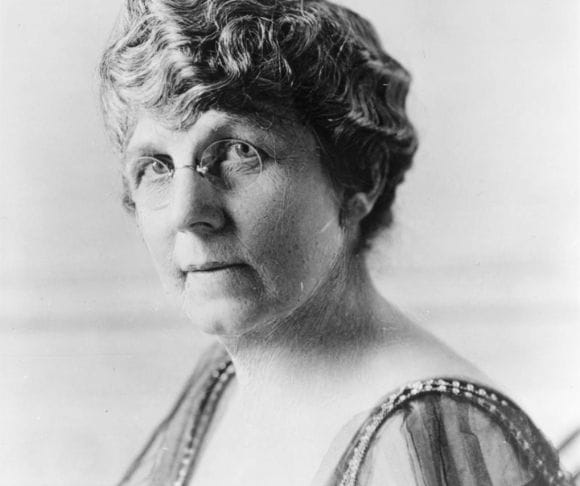
First lady Florence Harding was born Florence Mabel Kling. Raised in a small town by wealthy parents, she was a woman who knew privilege but also who earned respect. Florence was not the kind of person to quietly watch history happen from the sidelines. As the wife of Warren G. Harding, and first lady of the United States from 1921 to 1923, she brought confidence, curiosity, and a strong sense of purpose to the White House. Her husband called her the “Duchess” because of the way she ran both the household and his political career. But behind that glamorous title was a determined woman who had built an impressive life long before she ventured to Washington, DC.
Florence Harding - Not So Humble Beginnings
Florence Mabel Kling was born on August 15, 1860, in Marion, OH. Her father was a successful businessman, and Florence grew up with an education that prepared her to manage money and make decisions. Like many young women, though, she was caught up in the idea of romance, and she eloped with a local man named Henry DeWolfe. But the romance soured: DeWolfe proved to be an unreliable spouse who often disappeared for weeks at a time.
The marriage did not last long. She later met Warren G. Harding, a young man with an upstart newspaper, the Daily Star. Like DeWolfe, young Harding didn’t win Florence’s father’s approval. Still, they were married anyway in 1891.
The new Mrs. Florence Harding took over the circulation department of her husband’s paper and was on occasion, a bit of a brute. She reportedly spanked newsboys when necessary.
“No pennies escaped her,” a friend recalled. She managed the finances and kept the operation running. Warren wrote editorials, but Florence understood the business side – and she was not afraid to share her opinions. Her sharp judgment helped the Marion Star grow into a successful newspaper.
Florence also recognized Warren’s political potential. Soon enough, whether it was his idea or hers, Harding began running for office, working his way up the ladder until he won the presidency in 1920.
Seeking Solace or Sage Advice
Spiritualism was, for many, the ultimate frontier of psychology, physics, and human grief. Florence was intrigued by a famous practitioner in DC, an astrologer and clairvoyant named Madame Marcia Champney. Before the presidential election in 1920, Champney predicted that then-Senator Warren G. Harding would win – but that he would then die a “sudden, violent or peculiar death” before the end of his term.
White House Nose Thumbing
Florence Harding became first lady at a time when women were gaining new political influence. The 19th Amendment had recently given women the constitutional right to vote, and Florence strode into this changing new era with confidence.
As first lady, Florence made the White House feel more open and modern. She welcomed veterans, invited reporters to public events, and supported charitable causes. She was especially interested in hospitals and the well-being of wounded World War I veterans. She also enjoyed movies, photography, and fashion – interests that helped make her seem surprisingly relatable to many Americans.
And just how did the first family wind down? The president and his wife relaxed at poker parties in the White House library, where the liquor was rumored to flow freely. Drinking and playing poker might not be so scandalous, you might say, but this administration was in the middle of the Prohibition era, when manufacturing, transporting, and selling alcohol was illegal.
Little more than two years into his term, however, Warren Harding died – oddly enough, just as the mystic had predicted a few years earlier, from a sudden heart attack. Florence Harding returned to Marion, where she died in 1924. Her time as first lady was brief, but her impact was memorable.
4 Questions
The story, in brief
Who was Florence Harding before she became first lady?
Florence Harding was born Florence Mabel Kling in Marion, Ohio, to wealthy parents. She grew up with an education that prepared her to manage money and make decisions, and she built a capable, independent life before moving to Washington. She was first married to Henry DeWolfe, but that marriage ended after he proved unreliable.
How did Florence Harding help Warren G. Harding's newspaper and career?
After marrying Warren G. Harding in 1891, Florence Harding took over the circulation department of his newspaper and managed its finances. She kept the operation running, watched every penny, and helped the Marion Star become successful. She also saw Warren Harding's political potential and supported his rise through public office to the presidency.
What did Florence Harding do as first lady from 1921 to 1923?
Florence Harding made the White House feel more open and modern during her time as first lady. She welcomed veterans, invited reporters to public events, and supported charitable causes. She cared especially about hospitals and wounded World War I veterans, and her interest in movies, photography, and fashion made her seem relatable to many Americans.
What happened after Warren G. Harding won the presidency in 1920?
Before the 1920 election, Madame Marcia Champney predicted Warren G. Harding would win and later die a sudden, violent, or peculiar death before his term ended. A little more than two years into his presidency, he died of a sudden heart attack. Florence Harding then returned to Marion, where she died in 1924.