
★ In this story 03
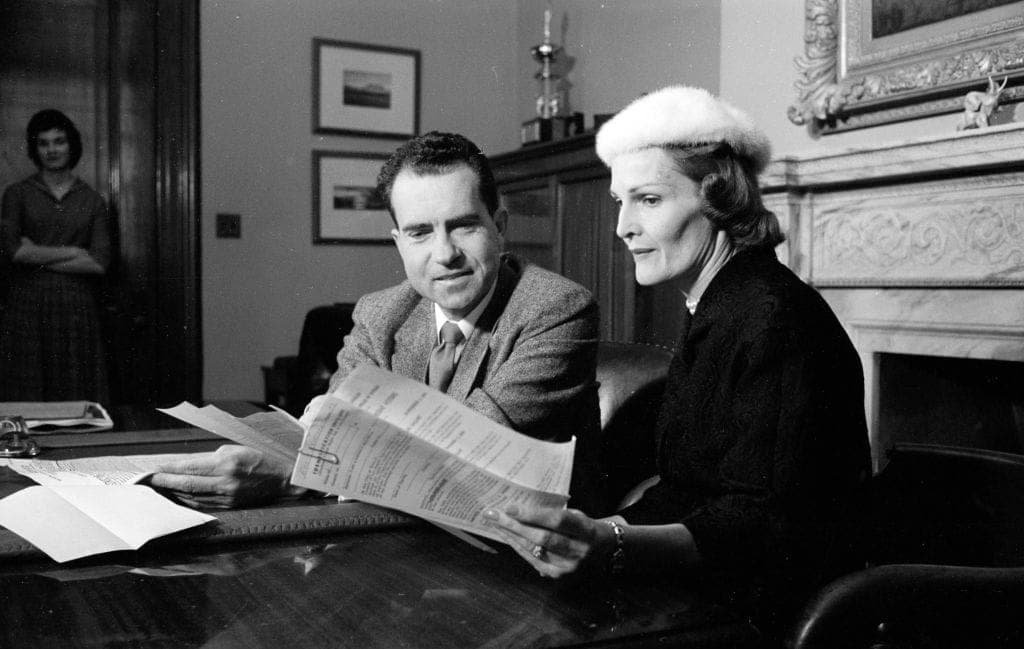
Thelma Catherine “Pat” Ryan Nixon was the wife of President Richard Nixon. She served as the first lady of the United States from 1969 to 1974. Born March 16, 1912, in Ely, NV, her family dubbed her “Pat” for St. Patrick’s Day. The nickname stuck and she was forever known publicly and privately as Pat.
The Nixons came into the White House at a volatile time in America. The country had just witnessed the assassinations of President John F. Kennedy, his brother and presidential candidate Robert F. Kennedy, and Civil Rights leader Rev. Dr. Martin Luther King in the span of five years. The Vietnam War was a catalyst for counterculture protests. Richard Nixon was perceived as someone who could bring order and peace. The electorate had no idea they would get a progressive first lady in the deal.
A Common Thread
Most first ladies have had at least two things in common: bravery and great instincts. Mrs. Nixon was no different. And like some of her first lady club mates, she also had a tragic and difficult home life. Pat grew up in a hardworking family. Her mother died when Pat was young, and her father died while she was still a teenager. Because of these losses, Pat learned to be resilient.
She was driven and determined, working several jobs to pay for her education. She attended Fullerton Union High School and later studied at the University of Southern California, Cum Laude, earning a degree in merchandising in 1937 and a high school teaching certificate, which at the time USC considered equivalent to a master's degree.
Pat had been teaching high school in and living in Whittier, CA. Like a lot of young people of that time, she enjoyed community theater. At a rehearsal dinner for the cast of The Dark Tower, Pat and the future president met. He proposed on their first date. Two years later, they married and began a family and followed the road towards a political career.
Throughout the marriage, including the tumultuous White House years, Richard Nixon was unabashedly sentimental, surprising her with frequent gifts, remembering anniversaries, and changing state dinner protocol so she could be served first. They were known to be playful, tender, and deeply committed from the day they met.
The Unforgiving Public Gaze
Like every first lady before her, Pat Nixon found the media to be relentless and unkind. The elite publications tried to paint a picture of rigid woman tagging along with her rigid husband. She was portrayed as cold or robotic, and they dubbed her "Plastic Pat" because she displayed little outward emotion or physical affection during political events. But in her own words after public life, she explained: “I know a lot, but you have to keep it to yourself when you're in this position."
One veteran political reporter at the time noted that the Nixons moved through public life "ritualistically.” Pat smiled through massive campaign stress, hecklers, and exhaustion without publicly complaining. They raised two daughters, Julie and Tricia, without blinking an eye.
What the press did not report was that Pat supported the Equal Rights Amendment and the appointment of women to Supreme Court vacancies. She also promoted the goal of the Women's National Political Caucus of getting more women elected to government positions, regardless of their party affiliation.
First Lady Pat Nixon – An Indelible Mark
As first lady, Pat Nixon wanted to make the White House more open and connected to ordinary Americans and for the marginalized. Traveling across the country, she used her position to open the residence to the traditionally excluded: the blind, the deaf, the working class. Her “project” was grassroots volunteerism, and she traveled the country celebrating unsung heroes, visiting schools, hospitals, nursing homes, and community centers. She called volunteers “the silent majority,” because many people worked to improve their communities without receiving public attention.
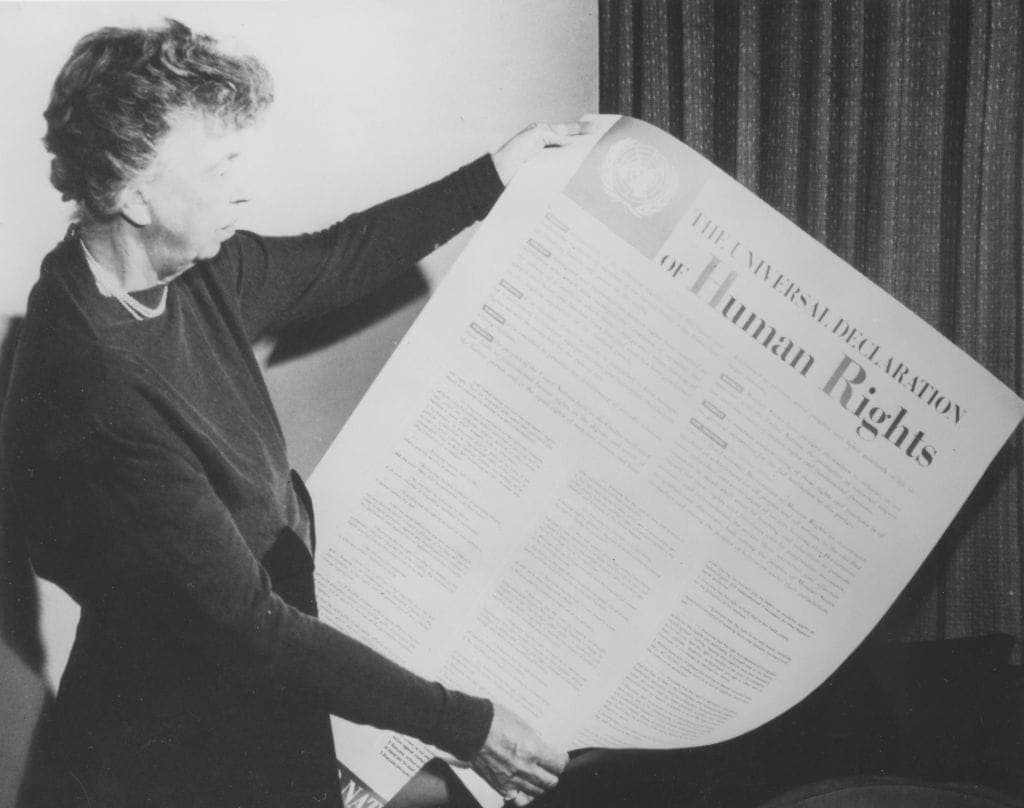
She also traveled to other countries as a representative of the United States. In 1972, she became the first American first lady to visit Africa, South America, and the Soviet Union during one trip. And you can thank Pat Nixon for the gift of the Giant Pandas that are still part of the US and China’s relations. During her tenure as first lady, Pat Nixon logged more domestic and international miles than even the globe-trotting Eleanor Roosevelt, who was first lady for over 12 years.
Pat also helped preserve the history of the White House. She supported the restoration of rooms and the addition of historic furniture and artwork. She wanted visitors to learn about the presidents and families who had lived there before. And she had translated all White House informational pamphlets for visitors to take and learn in different languages.
Pat Nixon’s time as first lady was effectively cut short by the Watergate scandal. The scandal involved illegal activities connected to President Nixon’s 1972 campaign. Richard Nixon resigned from the presidency on August 9, 1974.
The Nixons retired from public life and simply enjoyed their quiet, private lives. Pat Nixon died on June 22, 1993, in New Jersey. And Richard followed almost a year later on April 22.
Pat will always shine as a beacon for dedication to volunteer service, support for historic preservation, and her efforts to meet people in communities across the United States and around the world. She is remembered for being there in the moment of great crisis and handling it without letting her country down.
“All lives have triumphs and tragedies, laughter and tears, and mine has been no different.” ~Pat Nixon
4 Questions
The story, in brief
Who was Pat Nixon before she became first lady?
Pat Nixon was born Thelma Catherine Ryan on March 16, 1912, in Ely, Nevada, and was nicknamed Pat for St. Patrick's Day. After losing both parents while young, she worked several jobs to pay for school. She studied at the University of Southern California, graduated cum laude in 1937, and later taught high school in Whittier, California.
Why was Pat Nixon called Plastic Pat by the media?
Pat Nixon was portrayed by elite publications as cold, rigid, or robotic because she showed little outward emotion or physical affection during political events. She moved through public life under intense pressure, smiling through campaign stress, hecklers, and exhaustion without publicly complaining. After public life, she said people in her position had to keep a lot to themselves.
What did Pat Nixon do as first lady in the White House and beyond?
Pat Nixon worked to make the White House more open to ordinary Americans and people who had often been excluded, including the blind, the deaf, and the working class. She promoted grassroots volunteerism, visited schools, hospitals, nursing homes, and community centers, and supported White House restoration and multilingual visitor pamphlets. She also traveled widely abroad and became the first American first lady to visit Africa, South America, and the Soviet Union on one trip in 1972.
How did Watergate affect Pat Nixon and what happened next?
Pat Nixon's years as first lady were effectively cut short by the Watergate scandal, which involved illegal activities connected to President Nixon's 1972 campaign. Richard Nixon resigned from the presidency on August 9, 1974. After leaving Washington, the Nixons retired from public life and lived quietly in private.