
★ In this story 03
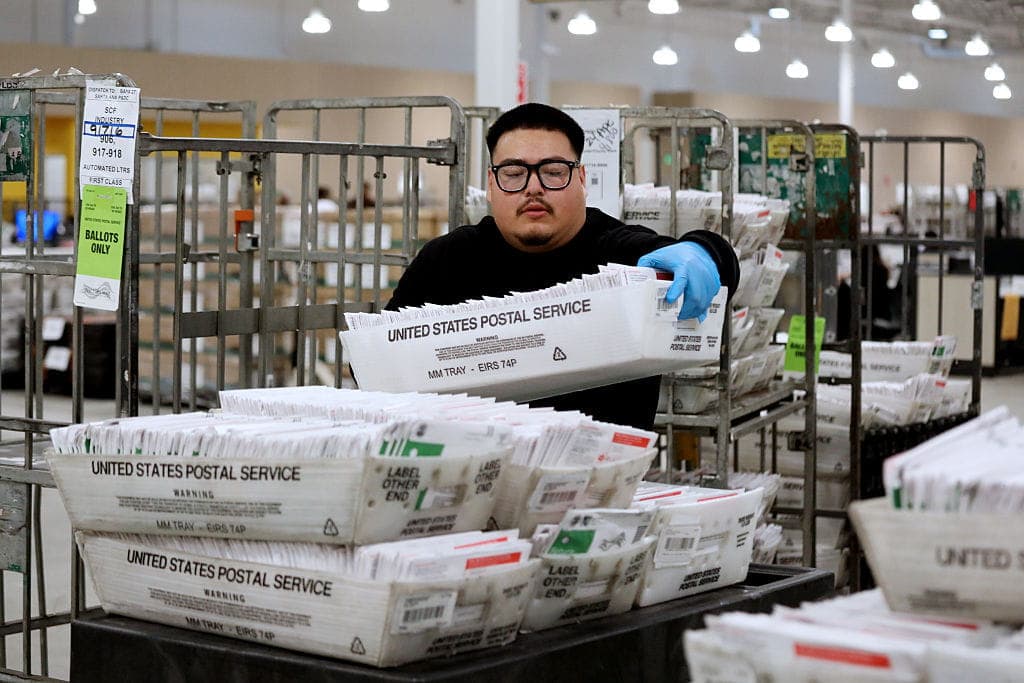
Can you give President Donald Trump a penny for his thoughts? Not quite. The one-cent coin will no longer be minted, and all that is left is your grandfather's massive jar of 1985 pennies. At least young Americans can collect $100 bills with the president's signature, or dollar coins with Trump's face, to remember their youth. Ultimately, the current administration has modified America’s currency, and more changes could be on the way.
Change for a Penny
Early last year, President Trump urged the Treasury Department to stop minting pennies, calling them "wasteful." He may have had a point. Producing a single cent cost about four cents, so stopping production saved taxpayers millions of dollars per year.
In November, the US Mint stopped making pennies, following in the footsteps of other countries, including Australia and Canada, which had done so years prior.
But Congress wants to go a step further. The House of Representatives passed the Common Cents Act, a bipartisan bill that blocks the Treasury from minting any more pennies unless they are collector’s editions. It also creates a framework for rounding cash transactions to the nearest five cents.
While many Americans use credit cards and smartphones for their daily transactions, some still buy their coffee, Coca-Cola, and Penny Candy with change. So, don't worry! You can still pay with pennies.
Red cent lovers also had the opportunity to buy the final penny. US Treasurer Brandon Beach confirmed to Just the News that an individual purchased the last penny at an auction for almost $17 million.
"I will tell you, I've done a lot of cool things, but this was historic to strike the last penny ever. We thought we would get $5 million for it. We sold it for $16.7 million," Beach said.
“The president called me, and he said, 'That tells me the Trump policies are working.' He said, ' If somebody can spend $16.7 million for a penny, we're going to have a golden-age economy. We're going to win big.'"
Currency Changes
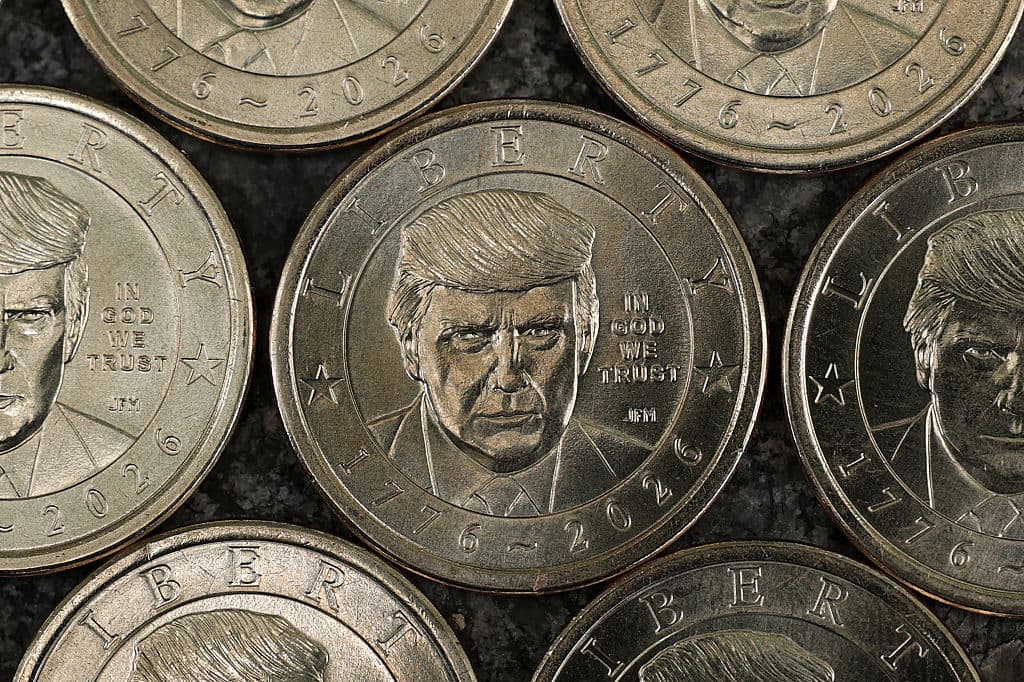
To mark America’s 250th anniversary, the administration plans two high‑profile currency changes: President Trump’s portrait will now appear on a new $1 coin, and his signature will now be added to $100 bills.
The US Mint began issuing commemorative $1 coins bearing Trump’s current presidential likeness under a 2020 law that, according to the White House, allows the Treasury secretary to approve designs “emblematic of the US semiquincentennial.”
Critics argue the move violates existing laws that ban living presidents from appearing on circulating coinage. However, US officials say the semiquincentennial provision gives them the legal latitude they need.
In a July interview with Fox News, Treasury Secretary Scott Bessent said this has happened before.
"As Treasury secretary, I only have two mandates: the currency has to say 'In God We Trust' somewhere on it, and there cannot be an image of a living person," Bessent said. "During the 150th, there was a Calvin Coolidge coin, so we can put living people's images on a coin."
In 1925, to commemorate America's 150th anniversary, Congress passed a special law, authorizing President Calvin Coolidge to appear on US coinage.
Meanwhile, Trump became the first sitting president to have his signature printed on paper currency. It was placed in the bottom-left corner, above Bessent's signature. Traditionally, these notes featured the US Treasurer's signature. They were rolled out on July 4, 2026.
Death of the Nickel?
Will more changes come to US currency? If the federal government wished to kill the penny over cost, then the next logical step might be the five-cent nickel.
US Mint data from fiscal year 2025 found that producing the five-cent coin costs more than 13 cents to manufacture and distribute, mainly because of higher copper and nickel prices. In other words, it costs more than double to have nickel.
Is it next on the chopping block?
4 Questions
The story, in brief
Why did the Trump administration stop minting pennies?
President Donald Trump urged the Treasury Department to stop minting pennies because he called them wasteful. Producing a single cent cost about four cents, so ending production saved taxpayers millions of dollars each year. In November, the US Mint stopped making pennies.
What does the Common Cents Act do with pennies and cash payments?
The House of Representatives passed the bipartisan Common Cents Act to block the Treasury from minting more pennies unless they are collector's editions. It also creates a framework for rounding cash transactions to the nearest five cents. Pennies can still be used for payment.
How is Donald Trump changing US coins and paper money?
For America's 250th anniversary, the administration plans to put President Trump's portrait on a new $1 coin and add his signature to $100 bills. The US Mint began issuing commemorative $1 coins with Trump's current presidential likeness under a 2020 law. Trump also became the first sitting president to have his signature printed on paper currency, with the notes rolled out on July 4, 2026.
Could the US nickel be the next coin eliminated after the penny?
The piece says the next logical step after ending the penny might be the five-cent nickel because of its cost. US Mint data from fiscal year 2025 found that making and distributing a nickel costs more than 13 cents, mainly because of higher copper and nickel prices. It raises the question of whether the nickel is next on the chopping block.