
★ In this story 03
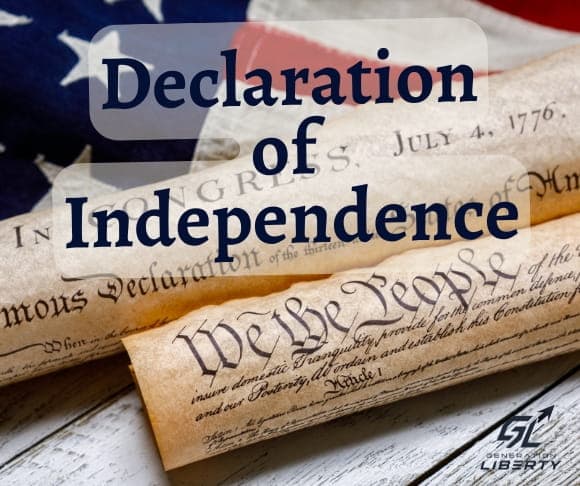
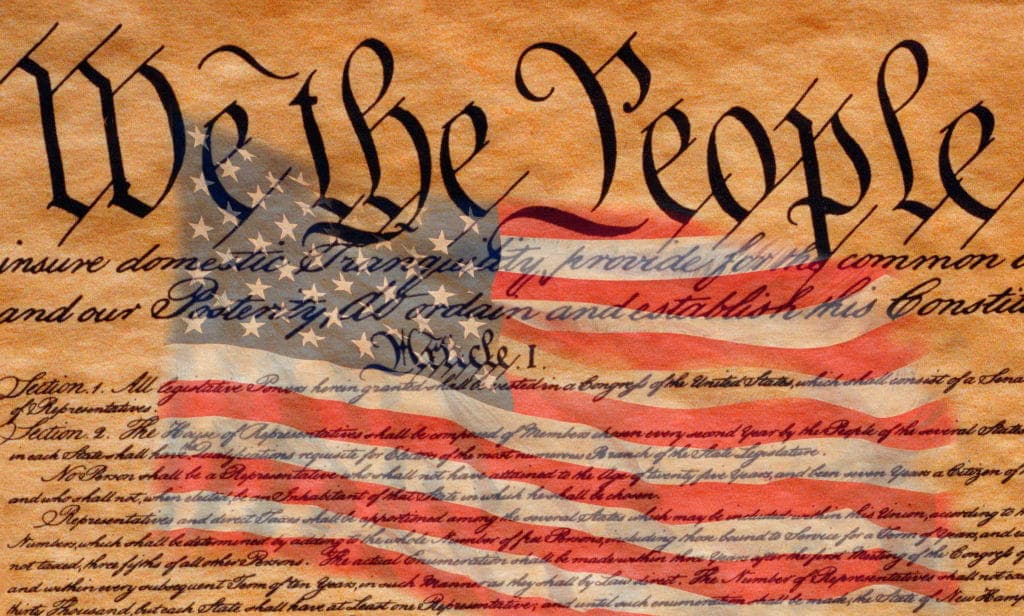
All words have meaning – but some ring out with historical significance that is hard to match. When heard, they immediately evoke a certain feeling or thoughts about precisely one situation. We the People is one such phrase. Immortalized as the opening words of the Preamble to the US Constitution, these words are so much more than just the beginning of a document. They establish the seat of power in America in a way that makes the nation unique among all others throughout human history – and especially at the time they were written.
Preamble to Freedom
The US Constitution frames how the government would be structured and what rights, authorities, and responsibilities belonged where. But in the beginning, in the Preamble, the Founding Fathers laid out their goals for the new nation. Preambles were, at the time, quite common in legal documents. This famous example reads:
“We the People of the United States, in Order to form a more perfect Union, establish Justice, insure domestic Tranquility, provide for the common defence, promote the general Welfare, and secure the Blessings of Liberty to ourselves and our Posterity, do ordain and establish this Constitution for the United States of America.”
At the time and throughout most of human history up to that point, governments were seats of absolute power. Kings and queens, emperors and empresses, pharaohs, high priests, and popes – the various peoples of the world had traditionally been controlled by rulers with absolute authority over their lives. Their words were law; and the people obeyed or risked their lives – except, of course, in the case of successful revolutions. But even then, removing one tyrant generally meant installing another. The new leader was frequently as bad as or worse than the old one, and the cycle continued.
A New Kind of Nation
So, what made the United States so different? We the People. The Founding Fathers understood this vicious cycle and decided to break it. They wouldn’t be ruled by some king and parliament across an ocean anymore, but to whom would they hand power? Ultimately, they chose to keep it in the hands of the people. Samuel Adams summed up the struggle and its solution: “He who has strength to chain down the wolf is a madman if he let him loose without drawing his teeth and paring his nails.”
Once the Founding Fathers wrestled power away from Britain, they gave it to themselves as a group, but in a limited way, constrained by the limitations of the US Constitution. They enacted a three-branch government with lots of moving parts that were independent of each other’s authority but which had to cooperate to get anything done. Then, when the time came, they stepped down and allowed the next set of leaders – elected by We the People – to have their chance at running things.
Many throughout history had been strong enough to tie down the wolf, so to speak, but America’s founders were the first with the wisdom to pull its teeth and clip its nails – and then step aside for those who would succeed them.
Who Are We the People?
So, who are We the People? We all are. Everyone who was born into the United States or immigrated and gained citizenship through naturalization from the founding of the nation to today and into the future as long as this country exists under the Constitution. We the People of the United States are allowed to vote for their own leaders and even to campaign to influence fellow citizens how to vote are the ultimate seat of power.
The president has great authority – but it isn’t absolute. He can only do so much without a permit from Congress. And a new president is chosen every four years by We the People. Congress makes legislation, but it isn’t signed into law without the president’s signature – and again, every two to six years (depending on which chamber of Congress), new representatives and senators are chosen by the people. There is no need to come from a special class or bloodline – every American citizen has the right to run for office and, for a time, hold the reins of power.
And thanks to the safeguards established in our Constitution, We the People have ways of removing from power those who abuse their power. While other revolutions throughout history have produced similar democratically run governments for a time, none yet has lasted as long as the United States under the Constitution. More than two centuries ago, We the People set out to create a more perfect Union – and so far, it seems we have.
4 Questions
The story, in brief
What does We the People mean in the U.S. Constitution?
The phrase opens the Preamble to the U.S. Constitution and establishes where power sits in America. It says the Constitution is ordained and established by the people of the United States, not by a king, parliament, or ruling class.
Why did the Founding Fathers put power in the hands of the people?
The Founding Fathers wanted to break the old cycle in which one absolute ruler was replaced by another. After wresting power from Britain, they limited government under the Constitution and ultimately allowed leaders elected by the people to govern and then be replaced in turn.
Who are We the People in the United States?
We the People includes everyone born in the United States and those who immigrated and became citizens through naturalization. From the founding to today and into the future under the Constitution, American citizens are described as the ultimate seat of power.
How do We the People control the U.S. government?
American citizens choose presidents, representatives, and senators through elections held every few years. The Constitution also divides power among three branches, requires cooperation between them, and provides ways to remove officials who abuse their power.