
★ In this story 05
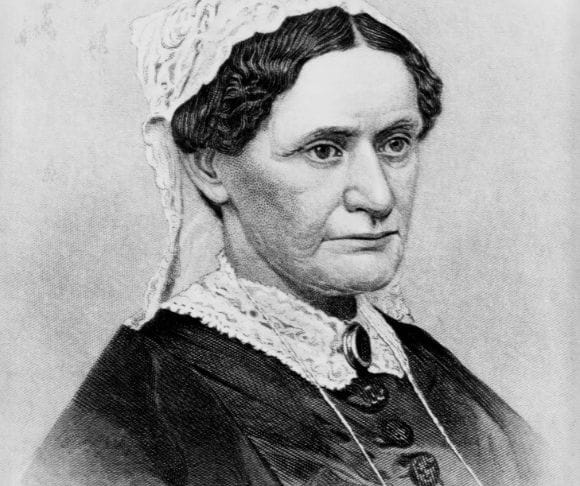
Imagine becoming a first lady of the United States and deciding to stay upstairs with a good book rather than entertain Washington’s most influential people. That was Eliza Johnson, one of America's least-known first ladies. While her husband, President Andrew Johnson, battled Congress, impeachment, and nearly losing his presidency, Eliza preferred a quieter life. But don't mistake her dislike of the spotlight for a lack of influence. She helped shape the man who became America's 17th president.
Eliza Johnson Meets a Future President
Born on October 4, 1810, in Tennessee, Eliza grew up in a modest family that valued education. After her father died, she and her mother supported themselves partially by making and selling quilts. She loved reading and learning, two interests that would eventually change American history.
As the popular story goes, when Eliza first saw Andrew Johnson arrive in town in 1826, she told a friend: “There goes my beau.” Eliza was just sixteen when they married in 1827, and Andrew was eighteen. Andrew could read, but it was Eliza who encouraged him to improve his reading, writing, and public speaking. Their evenings often involved books and discussions instead of fancy entertainment.
Andrew later entered politics, becoming a congressman, governor, senator, and eventually the vice president of the United States under Abraham Lincoln. Eliza's encouragement helped him develop skills he needed along the way. Not bad for a young woman who never held political office herself, though helping their husbands become leaders of the free world was something of a pattern with many first ladies.
The Civil War Changes Everything
When the Civil War began in 1861, Andrew Johnson remained loyal to the Union, even though Tennessee joined the Confederacy. That decision made life dangerous for his family. Confederate authorities forced Eliza and her children to leave their home in 1862.
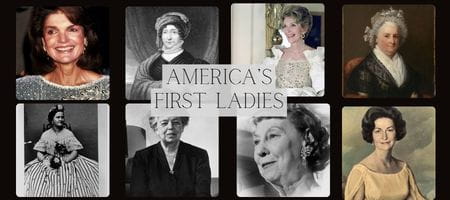
Imagine being caught in a war where your neighbors might consider your family traitors. Eliza endured uncertainty, separation, and serious illness while her husband continued his political career.
In April 1865, President Lincoln was assassinated. Andrew Johnson suddenly became president. Eliza became first lady during one of the most turbulent moments in American history.
The Second-Floor First Lady: Eliza Johnson
Eliza suffered from tuberculosis, a serious lung disease that, at the time, had no real cure. She spent much of her presidency in the White House's upstairs rooms, reading, sewing, and managing family matters. Her daughter, Martha Johnson Patterson, handled most of the official entertaining. Eliza still followed politics closely, read newspapers, advised her husband, and occasionally helped with speeches.
Standing by a Controversial President
Andrew Johnson’s presidency was filled with conflict over Reconstruction, the effort to rebuild the South, and, most importantly, to determine the rights of formerly enslaved Americans. Johnson opposed many protections for black Americans, placing him at odds with Congress. In 1868, the House of Representatives impeached him – making him America’s first impeached president. The Senate ultimately fell one vote short of removing him from office.
Eliza remained confident throughout the crisis. When she learned he had been acquitted, she declared: “I knew he'd be acquitted; I knew it.”
A Quiet but Complicated Legacy
Eliza Johnson never sought fame. Her story reminds us that influence doesn't always require a microphone or a public stage. Sometimes it begins with education, determination, and the willingness to help someone else succeed.
Eliza's life offers a valuable lesson: We can recognize someone's strengths without ignoring the injustices of their time. But history also requires examining uncomfortable truths. The Johnson family enslaved people, and Andrew's policies obstructed racial equality.
Andrew Johnson died on July 31, 1875. A historical marker at his grave bears the quote: “When I die, I want no more winding sheet than that of the brave old flag…and no softer pillow than the Constitution of my country.” Eliza died just months later on January 15, 1876.
After her death, an article in a Nashville newspaper on January 20, 1876, stated: “If Mrs. Johnson had been as well able to act as the adviser and guide of her husband during the last part of her life as she was during the first part of it, he might have been saved from some of the errors into which he fell. But from first to last, she was to him a wife whom he always loved…who assisted him in entering and aided him in pursuing the paths that led to eminence.”
4 Questions
The story, in brief
Who was Eliza Johnson and how did she influence Andrew Johnson?
Eliza Johnson was the wife of Andrew Johnson and later first lady of the United States. She encouraged him to improve his reading, writing, and public speaking, and their evenings often centered on books and discussion. She also followed politics closely, advised him, and occasionally helped with speeches.
Why did Eliza Johnson spend so much time upstairs in the White House?
Eliza Johnson suffered from tuberculosis, a serious lung disease that had no real cure at the time. During Andrew Johnson's presidency, she spent much of her time in the White House's upstairs rooms reading, sewing, and managing family matters. Her daughter, Martha Johnson Patterson, handled most official entertaining.
What happened to Eliza Johnson's family during the Civil War?
When the Civil War began, Andrew Johnson stayed loyal to the Union even though Tennessee joined the Confederacy. That choice made life dangerous for his family, and Confederate authorities forced Eliza and her children to leave their home in 1862. She also faced uncertainty, separation, and serious illness during those years.
What was Eliza Johnson's legacy after Andrew Johnson's presidency?
Eliza Johnson is remembered as a quiet first lady whose influence came through education, determination, and private support rather than public attention. Her legacy is also complicated by the fact that the Johnson family enslaved people and Andrew Johnson's policies obstructed racial equality. She died on January 15, 1876, just months after Andrew Johnson died on July 31, 1875.